





An Annual Celestial Spectacle
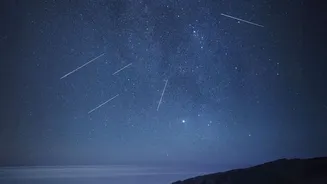
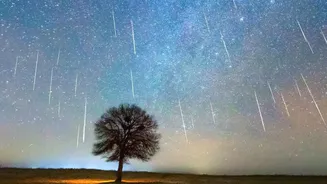
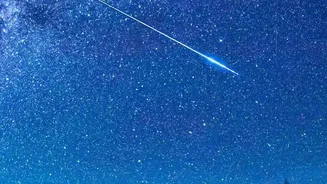
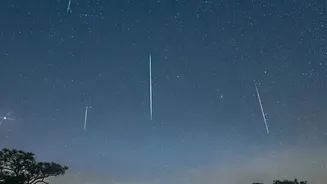
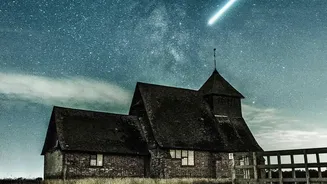
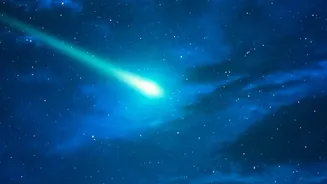
The Perseid meteor shower is an annual event that delights stargazers across the Northern Hemisphere. These 'shooting stars' are not stars at all, but tiny fragments of debris left behind by the comet 109P/Swift-Tuttle. Every year in late summer, the Earth's
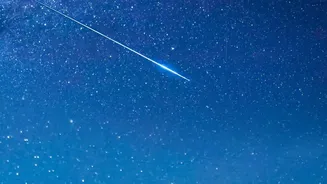
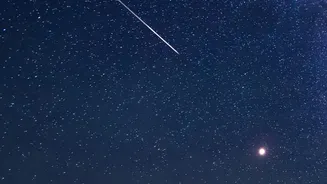
orbit carries us through this stream of cosmic dust. Particles, many no larger than a grain of sand, enter our atmosphere at incredible speeds, burning up and creating the brilliant streaks of light we see from the ground. The Perseids are famous for being plentiful and producing bright, fast meteors that often leave lingering trails, making them one of the most beloved celestial events of the year.
Mark Your Calendar: August 12-13, 2026
For 2026, the conditions for viewing the Perseids are predicted to be spectacular. The shower will be active from mid-July through late August, but the best time to watch will be during its peak on the night of August 12 and into the early morning hours of August 13. This is when Earth passes through the densest part of the debris stream, potentially producing 50 to 100 meteors per hour under perfect conditions. What makes 2026 truly special is that the peak coincides perfectly with a New Moon. This means the sky will be free of moonlight, creating an ideal dark canvas that will allow even the faintest meteors to shine through.
The Great Indian Monsoon Challenge
While the cosmos is aligning for a perfect show, there is a significant earthly obstacle for most observers in India: the monsoon. August is the heart of the rainy season across much of the subcontinent, bringing heavy cloud cover, high humidity, and frequent downpours. For stargazers, clouds are the ultimate showstopper. From Kerala and Goa on the southwestern coast to the central plains and eastern regions, persistent cloud cover can make spotting meteors a frustrating, if not impossible, task. This is the central challenge that turns casual viewing into a strategic exercise in planning and patience for Indian sky-watchers.
Strategies to Outsmart the Clouds
Success lies in flexibility and location. Your number one tool will be the local weather forecast. Monitor it closely in the days leading up to the peak. Remember that the shower is a marathon, not a sprint; while August 12-13 is the peak, the days just before it can also offer a great show with fewer clouds. If your local forecast looks grim, consider travelling. The best bet for clear skies in August is to head towards a rain-shadow region. High-altitude deserts like Ladakh and Spiti in the Himalayas are excellent choices, as they are largely shielded from the monsoon. In fact, the Hanle Dark Sky Reserve in Ladakh is considered one of India’s premier stargazing locations for this very reason. Parts of Rajasthan, particularly the drier western areas, may also offer a better chance of clear skies than the rest of the country.
Your Viewing Toolkit and Final Tips
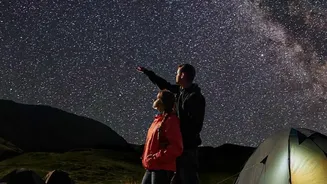
You do not need any expensive equipment to enjoy the Perseids. Binoculars and telescopes are actually counterproductive, as they limit your field of view. Your eyes are the only tool you need. The key is to find a viewing spot that is as dark as possible, far from the light pollution of cities and towns. Give your eyes at least 20 to 30 minutes to fully adapt to the darkness; this means putting your phone away. Get comfortable. A reclining chair or a blanket on the ground will save you from neck strain. Meteors can appear anywhere in the sky, so the best strategy is simply to lie back and look up. Dress in layers, as even summer nights can get cool, especially in the pre-dawn hours. Bring snacks and a warm drink to make the experience more enjoyable. The shower is most active after midnight and is often at its best just before dawn.