




The Anatomy of Airport Anxiety
The stress of air travel is so significant that it's actively discouraging people from flying. SITA's 2026 Passenger IT Insights report, which surveyed nearly 8,000 travellers across 24 countries, found that 42% of passengers have decided against a trip
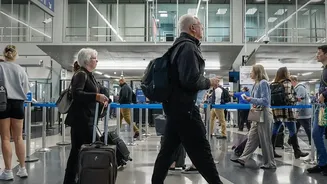
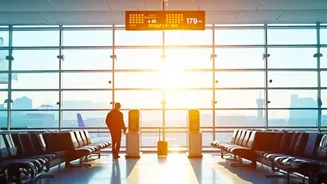
because they expected it to be too stressful. This figure is even higher for frequent flyers (61%) and travellers under 30 (56%). The primary culprits are operational uncertainties: flight delays, long queues, and the ever-present worry about baggage. Interestingly, anxiety has spiked in the period between clearing security and boarding the plane. A third of passengers now feel anxious during this 'dwell time', a threefold increase from 2023. This is the part of the journey where travellers are supposed to be relaxing, shopping, or dining. Instead, they are often consumed by uncertainty about gate changes, boarding times, and the location of their belongings.
Knowledge is Power, and It's on Your Phone
The good news is that eight out of ten travellers believe technology can reduce this stress. The antidote to the anxiety of the unknown is information. The SITA study highlights that passengers feel calmest during the stages of the journey that have been most digitised, like check-in and boarding, where their phone acts as a guide. The key is extending this digital reassurance to the entire journey. Simple solutions like real-time mobile alerts about flight status, live information on security queue lengths displayed on screens, and accurate walking times to the gate can transform a passenger's mindset. When a flight is rescheduled, knowing the new departure time, the new gate, and the status of your checked bag instantly is what puts minds at ease. This sense of control is what travellers are craving.
The Seamless Journey: Your Face as Your Boarding Pass
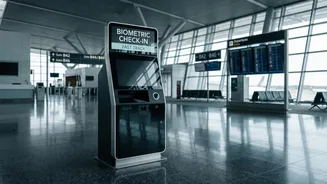
Beyond notifications, biometric technology is a game-changer for reducing queues and friction. Systems like SITA's Smart Path use facial recognition to create a seamless, touchless path through the airport. After a one-time enrolment, often via a mobile app or kiosk, your face becomes your ID and boarding pass. This allows for a 'walk-through' experience at bag drop, security, and boarding gates, eliminating the need to repeatedly fumble for passports and phones. The impact is significant. In the UAE, where 77% of passengers used technology at border control, only 13% reported negative emotions, compared to 37% globally. These systems are already in use at major hubs, and as they become more widespread, they promise to drastically cut down on one of the biggest sources of airport stress: waiting in line.
Ending Baggage Claim Blues
There are few travel anxieties as potent as watching an empty baggage carousel and wondering if your luggage made the trip. Real-time baggage tracking is emerging as a powerful solution. By using RFID tags or other IoT technologies, airlines and airports can offer passengers the ability to track their bags' journey on their smartphone, much like a delivery package. This visibility provides immense peace of mind. Knowing your bag was loaded onto the plane and seeing its progress offers a profound sense of security and control. This technology not only calms passenger nerves but also helps airlines and ground staff locate and reroute mishandled bags far more quickly, turning a potentially trip-ruining event into a manageable inconvenience.
The Commercial Case for Calm
Reducing passenger stress isn't just about good customer service; it's a powerful commercial strategy. SITA's CEO, David Lavorel, notes that every trip won back from stress is 'a seat filled, a parking space sold and a coffee bought'. When passengers aren't worried about queues or missing their flight, that anxious waiting period transforms into valuable 'dwell time' for airports. A calmer traveller is more likely to spend money in shops and restaurants. Furthermore, with four in ten travellers open to receiving journey updates from AI, there's a clear appetite for more advanced, personalised assistance. By investing in technologies that create a predictable and transparent journey, the aviation industry can not only improve the travel experience but also unlock significant revenue and win back the confidence of its most valuable customers.