






A Sign of Quality and Confidence
When a manufacturer includes a small, clearly labelled bag of spare hardware, they are sending a powerful message. It signals that they understand mistakes happen—a screw head might strip, a cam lock could break—and they have planned for it. This foresight
is often a hallmark of a reputable brand that stands behind its product. Similarly, a well-produced assembly guide, complete with clear text and detailed diagrams, shows an investment in the customer experience. Brands that offer these resources demonstrate confidence not just in their product's design, but in your ability to build it successfully. This simple provision is one of the key differentiators between a cheap, disposable item and a durable piece of furniture meant to last.
How to Vet a Manufacturer Before Buying
In the digital age, you can do your homework long before you swipe your card. Start on the product page of the retailer or manufacturer. Look for a link to download the assembly instructions as a PDF. This allows you to preview the entire process. Are the steps logical? Are the diagrams clear, or do they look like abstract art? Next, dive into customer reviews, but search for specific keywords like "assembly," "instructions," and "missing parts." These first-hand accounts provide invaluable insight into the real-world experience of putting the item together. A pattern of complaints about the build process is a significant red flag that shouldn't be ignored.
What a Good Assembly Kit Looks Like
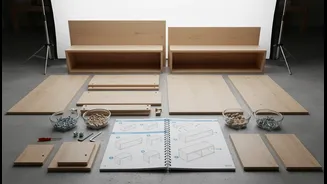
When you open the box, a quality kit is immediately apparent. All components, from large panels to the smallest screws, should be clearly labelled to match the guide. The hardware itself is often sorted into individual, numbered bags corresponding to each step of the assembly. This prevents you from having to guess which of the five similar-looking screws is the correct one. The best manufacturers also provide a complete inventory list on the first page of the manual, allowing you to lay everything out and confirm all parts are present before you begin. This simple organisational step can prevent a massive headache halfway through the build.
The Rise of Digital Assembly Support
Many forward-thinking companies now complement their printed guides with online resources. This can include video tutorials that walk you through more complex steps, or even augmented reality apps that show you where each part goes. Having access to these digital tools can be a lifesaver, especially for visual learners who find traditional manuals challenging. Some brands also have dedicated spare parts ordering systems on their websites. If you discover a missing component, you can simply enter the part number from the manual and have a replacement shipped to you, often free of charge.
What to Do When Parts Are Missing
Even with careful planning, you might find yourself short a crucial piece. First, don't panic or try to force a workaround, which could compromise the furniture's stability. Double-check all packaging, as small parts can get tucked into cardboard folds. If the part is truly missing, your first port of call should be the manufacturer's customer service. Have your receipt and the product's model number ready. Most reputable companies can identify and send the missing part quickly. If you purchased from a large retailer, they may also have a customer service desk that can assist in sourcing a replacement.