







Start with the Essentials: Documents and Budget
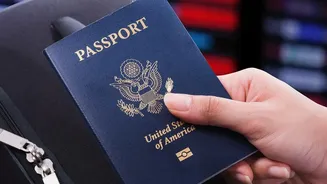
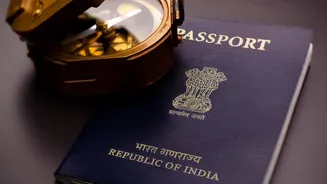
Before you even think about booking a flight, tackle the two things that can halt a trip before it starts: documents and money. First, check your passport. Many countries require it to be valid for at least six months beyond your planned return date.
If you need to renew it or apply for a new one, do it immediately, as processing can take several weeks. Next, research visa requirements for your destination based on your citizenship. Some countries require an online application (e-Visa) or a formal visa from an embassy weeks in advance. Simultaneously, create a simple, realistic budget. This isn't about tracking every penny, but knowing the total potential cost. Include estimates for flights, accommodation, daily food, activities, and a buffer for unexpected costs like airport transfers or city taxes. Knowing these big-picture numbers early prevents financial stress later.
Booking the Cornerstones: Flights and Accommodation
With your documents in order and a budget in mind, it's time to book your trip's main pillars. When searching for flights, prioritize convenience over finding the absolute rock-bottom price, especially for your first time. A flight with a punishingly long layover might not be worth the savings if it leaves you exhausted on arrival. For a simpler experience, consider nonstop flights. When it comes to accommodation, booking your first few nights in advance provides a secure landing spot. This gives you a base to recover from jet lag and get your bearings before deciding on the rest of your stay, if you prefer more flexibility. For popular destinations or travel during peak season, booking all your lodging in advance is the safer bet.
Handling Health, Safety, and Insurance
A smooth trip is a safe one. Start by purchasing travel insurance. It may seem like an unnecessary expense, but it provides a critical safety net for everything from flight cancellations to unexpected medical emergencies. Also, research if any vaccinations are recommended or required for your destination. Make digital and physical copies of all your important documents: your passport, visa, flight confirmations, and insurance policy. Store the digital copies in your email or a cloud service and keep the physical copies separate from the originals. Finally, do a quick search on local customs, etiquette, and common tourist scams. Knowing a few basic local phrases or what is considered respectful dress can make your interactions much warmer and help you navigate with more confidence.
Managing Your Money Abroad
Relying on just one form of payment is a common mistake. Plan to use a mix of methods. Before you leave, notify your bank and credit card companies of your travel dates to prevent them from freezing your accounts due to suspected fraud. Ask about foreign transaction fees, as some cards charge up to 3% on every purchase abroad. It’s wise to carry at least two different cards, like a credit card and a debit card, in case one is lost or doesn't work. Arriving with a small amount of local currency is also a good idea for immediate expenses like a taxi or a bottle of water before you can get to an ATM.
Crafting a Flexible Itinerary
One of the biggest mistakes first-time travellers make is cramming too much into their schedule. An over-planned itinerary can turn a vacation into a stressful race against the clock. Instead of a minute-by-minute plan, create a flexible outline. Pin your must-see sights, restaurants, and neighborhoods on a digital map. This allows you to group activities by location, saving travel time and energy. Most importantly, build in downtime. Leave entire afternoons free for spontaneous exploration, rest, or simply enjoying a coffee at a local cafe. Some of the best travel memories come from unplanned discoveries, not a perfectly executed checklist.