



What Exactly Is Astrotourism?
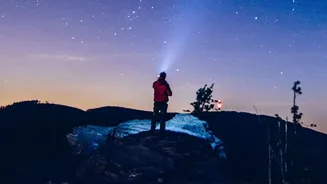
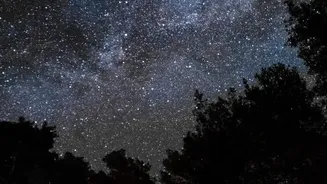
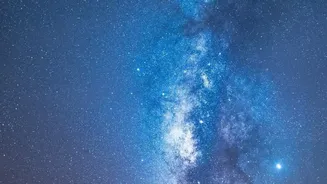
Astrotourism, also known as celestial or dark sky tourism, is travel focused on experiencing the night sky in its purest form. It involves journeying to locations with minimal light pollution to witness celestial events, visit observatories, or simply
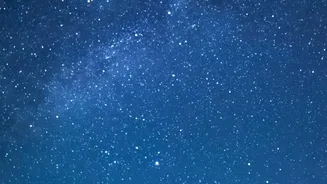
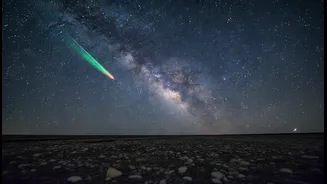
gaze at the stars. Unlike a typical vacation, the main attraction is the universe itself—from the milky shimmer of our galaxy to the fleeting streak of a meteor shower. It’s a form of sustainable, low-impact travel that combines the wonder of nature with a dash of science, often benefiting rural communities by creating new opportunities for local guides and hosts. This trend isn't just for astronomy buffs; it’s for anyone seeking a digital detox and a moment of awe.
Why Is Everyone Looking Up?
The rise of astrotourism isn't surprising. For many urban dwellers in India, the chance to see a sky full of stars is a novelty. The constant glow of city lights has obscured our view, creating a deep-seated craving for natural darkness. This trend offers a powerful antidote to our screen-saturated lives, providing a therapeutic sense of scale and stillness that modern life rarely allows. Travel companies are even packaging stargazing trips with meditation and wellness retreats, tapping into a generation fatigued by digital noise. For some, it’s a chance to relive the starry nights of their childhood, while for others, it’s about sharing a profound, educational experience with their families.
India's Premier Stargazing Destinations
India, with its diverse landscapes, boasts several world-class destinations for astrotourists. Topping the list is Hanle in Ladakh, home to India's first official Dark Sky Reserve. Located at a high altitude with over 300 clear nights a year, it offers some of the most pristine skies on the planet. The local community is even trained to guide visitors, making it a sustainable model for tourism. Other incredible spots include the Spiti Valley in Himachal Pradesh, where sparse populations ensure dark skies, and the surreal Rann of Kutch in Gujarat, especially during the winter months. For those in the south, Coorg in Karnataka is an emerging hotspot with observatories and resorts offering guided sessions. Even locations like Neil Island in the Andamans and the hills of Uttarakhand are becoming popular for their celestial views.
Your First Stargazing Trip: A Beginner's Guide
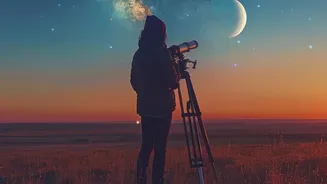
You don't need expensive gear to start. A pair of binoculars can reveal stunning details of the Moon's craters or Jupiter's moons. The most crucial step is planning your trip around the new moon, as a bright full moon can wash out fainter stars. Download a stargazing app like SkyView or Star Walk to help you identify constellations and planets. Remember to let your eyes adjust to the darkness, which can take 20-30 minutes. Avoid using your phone's bright screen; a red-light torch is best for preserving your night vision. Finally, pack warm clothes, as even in temperate climates, nights under an open sky can get chilly. Comfort is key, so bring a blanket or a reclining chair to settle in for a long, comfortable session of cosmic wonder.
Beyond Stargazing: Dive Deeper into the Cosmos
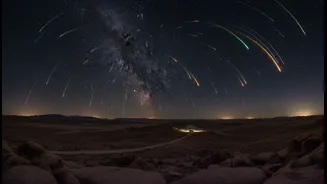
Astrotourism is evolving beyond simple observation. Many destinations now offer hands-on astrophotography workshops where you can learn to capture breathtaking images of the Milky Way or create star trail photos. Companies like Starscapes and Astroport are establishing observatories and resorts in locations like Uttarakhand and Rajasthan, providing everything from telescope sessions to full-fledged workshops for all skill levels. These experiences allow you to not just see the stars but to engage with them creatively and intellectually, turning a simple holiday into a profound learning journey.