





A Policy Shift Opens the Skies
The game-changer was the Indian Space Policy 2023. This landmark policy did more than just invite private players; it redefined the entire ecosystem. For the first time, Non-Government Entities (NGEs) are permitted to undertake end-to-end space activities—from
building and launching their own rockets and satellites to operating them and providing services. To oversee this new landscape, the government established the Indian National Space Promotion and Authorisation Centre (IN-SPACe). Acting as a single-window agency, IN-SPACe is designed to promote, authorise, and supervise the activities of private companies, ensuring they have access to ISRO's facilities and expertise. This move signals a clear strategy: to foster a competitive and innovative commercial space sector.
The Rise of Private Pioneers
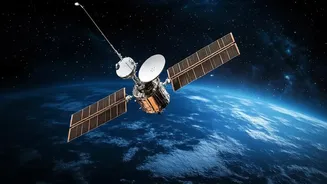
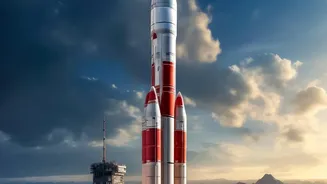
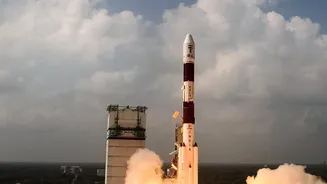
The policy reforms have already ignited a vibrant startup ecosystem. From just one space startup in 2014, India now boasts over 400. Leading the charge are companies like Skyroot Aerospace and Agnikul Cosmos. Skyroot made history with the successful orbital launch of its Vikram-1 rocket, becoming the first private Indian company to place payloads in orbit. This milestone demonstrated the commercial viability of private launches from Indian soil. Agnikul Cosmos has also turned heads with its groundbreaking technology, including a single-piece, 3D-printed rocket engine. These companies are not just building hardware; they are attracting significant investment and proving that India's private sector is ready to compete on a global stage.
ISRO's New Role as Mentor and Explorer
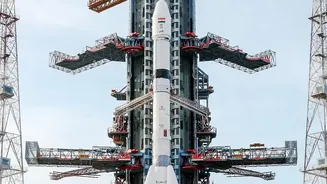
With private firms taking on routine launch and satellite manufacturing, what happens to the Indian Space Research Organisation (ISRO)? The new policy deliberately shifts ISRO's focus away from operational activities and towards its core mandate: research and development. Instead of being the sole manufacturer and operator, ISRO will now act as a mentor, transferring mature technologies to industry and focusing on more ambitious frontiers. This includes deep-space exploration, advanced space science, and developing next-generation technologies. This evolution allows ISRO to concentrate on strategic and national-interest missions, pushing the boundaries of science while the private sector drives the commercial expansion of capabilities that are already well-established.
Fueling a New Economic Engine
The commercialisation of space is projected to be a massive economic boon for India. The country's space economy, valued at around USD 8.4 billion recently, is forecast to grow more than five-fold to USD 44 billion by 2033. The government's goal is to increase India's share of the global space market from its current 2-3% to 8% by 2030. This growth is expected to be driven by a surge in downstream applications, including satellite communications, Earth observation, and navigation services that impact sectors from agriculture to disaster management. The expansion will also create a robust domestic supply chain, foster innovation in manufacturing and electronics, generate high-skilled jobs, and attract significant foreign direct investment, especially after norms were liberalised.