
First Steps: Before You Wash
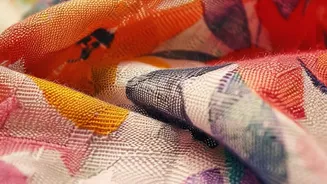
Before a new, brightly coloured garment sees a drop of water, it's wise to test for colour bleeding. Many new clothes, especially those with natural or dark dyes, can release excess colour in the first few washes. You can test for colourfastness by dipping
a small, hidden corner of the fabric in cold water and pressing it against a white cloth. If colour transfers, be prepared to wash it separately. For fabrics like hand-dyed bandhej or block prints, adding a tablespoon of salt or white vinegar to the first wash can help set the dye, but this is most effective for new items. For all delicates, reading the care label is the most crucial first step, as it provides specific instructions from the manufacturer.
Washing and Handling Delicate Dyes
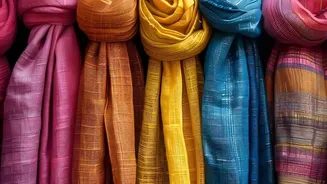
The single most effective rule for preventing dye transfer is to wash new, dark, or brightly coloured garments separately for the first three to five washes. Always use cold or cool water, as hot water can cause fabric fibres to swell and release dye. Opt for a gentle, pH-neutral liquid detergent without bleach or harsh enzymes, as these can strip colour and damage natural fibres. Baby shampoo is often a safe substitute for very delicate items. Never wring or twist the fabric to remove water; this can damage the weave. Instead, gently squeeze the water out or roll the garment in a clean, dry towel to absorb excess moisture before drying.
Preserving the Shine of Zari
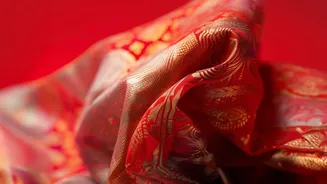
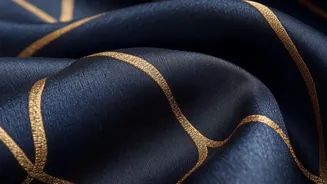
Zari, the beautiful metallic thread work found on many sarees and lehengas, is highly susceptible to damage. It's crucial to handle these garments with extreme care. The golden rule for heavily embroidered pieces is to opt for professional dry cleaning only, as water can cause the metallic threads to tarnish or break. After wearing, always air out the garment for a few hours in a shaded, ventilated area to allow any moisture from sweat to evaporate completely before storage. Never spray perfume, deodorant, or hairspray directly onto the garment, as the alcohol and chemicals can react with the metal and cause it to turn black. Apply fragrances to your skin and let them dry before you get dressed.
Caring for Sensitive Fibres
Fabrics like silk, organza, chiffon, and georgette require a gentle touch. Hand washing is the preferred method for these materials. Use cold water and a mild detergent, submerging the garment and gently agitating it with your hands. Avoid soaking for extended periods. For machine washing, place the item inside a mesh laundry bag to protect it from snagging and use the delicate cycle with a low spin speed. When it comes to drying, never put these fabrics in a machine dryer. The heat can cause irreversible damage. Instead, lay them flat on a clean towel or hang them to air dry in a shaded area, away from direct sunlight which can fade the colours and weaken the fibres. A steamer is often a safer choice than an iron for removing wrinkles from these materials.
The Art of Smart Storage
How you store your garments is just as important as how you wash them. Never store delicate wear in plastic bags, as they trap moisture and can cause yellowing or mildew. The best practice is to wrap each piece in a breathable muslin or pure cotton cloth. For heavily embroidered or zari-laden outfits, avoid hanging them for long periods, as the weight can stretch and distort the fabric. It is better to fold them flat, placing acid-free tissue paper or butter paper between the folds to prevent the embroidery from snagging and to avoid hard creases. Every few months, it's a good idea to refold your sarees and other stored garments to prevent permanent creases from setting in along the fold lines.