

The Zero-Waste Kitchen Philosophy
Before you toss those coriander and mint stems into the compost, consider the flavour packed within them. Embracing a zero-waste approach in the kitchen isn't just about environmental responsibility; it's about unlocking hidden culinary potential. Stems
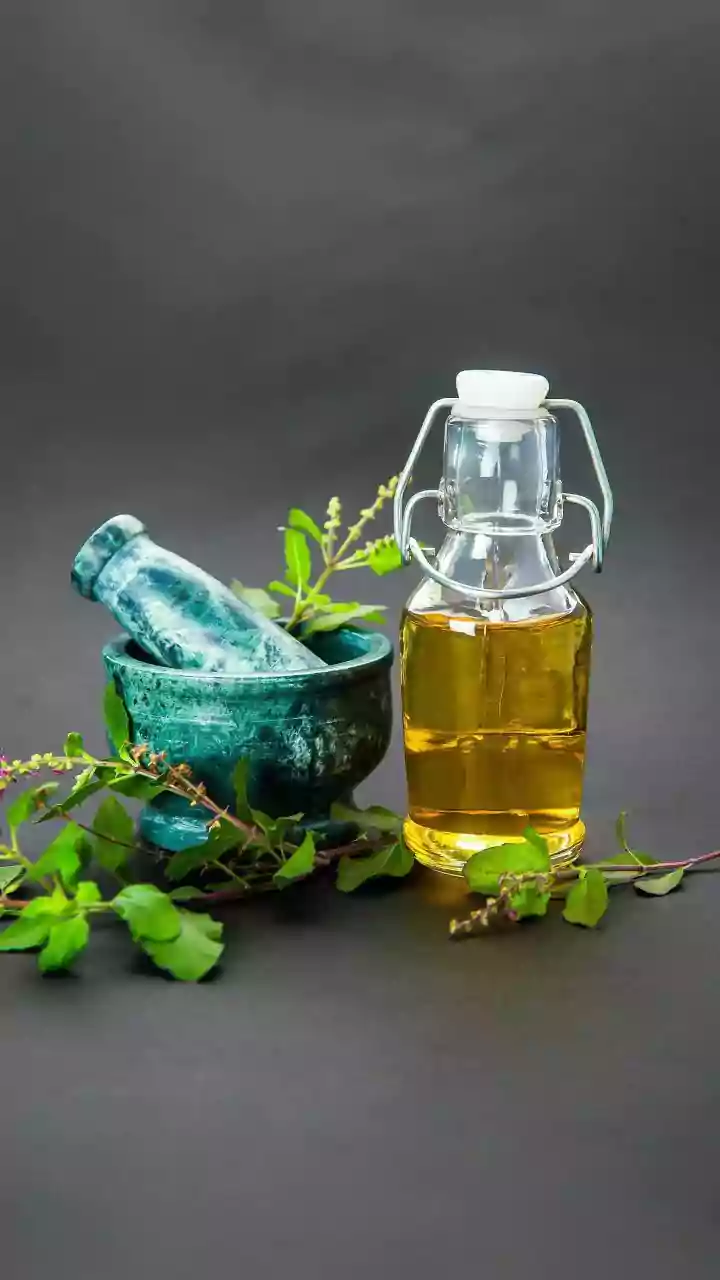
from soft herbs like parsley, cilantro (coriander), and mint are entirely edible and aromatic. By using them, you maximise your grocery budget, reduce household waste, and introduce new layers of flavour into your cooking. Infusing oils with these often-discarded parts is a simple, effective first step into a more sustainable and creative cooking practice. It transforms what many consider to be rubbish into a versatile, high-value pantry staple that can elevate everyday dishes with minimal effort.
Choosing Your Base Oil
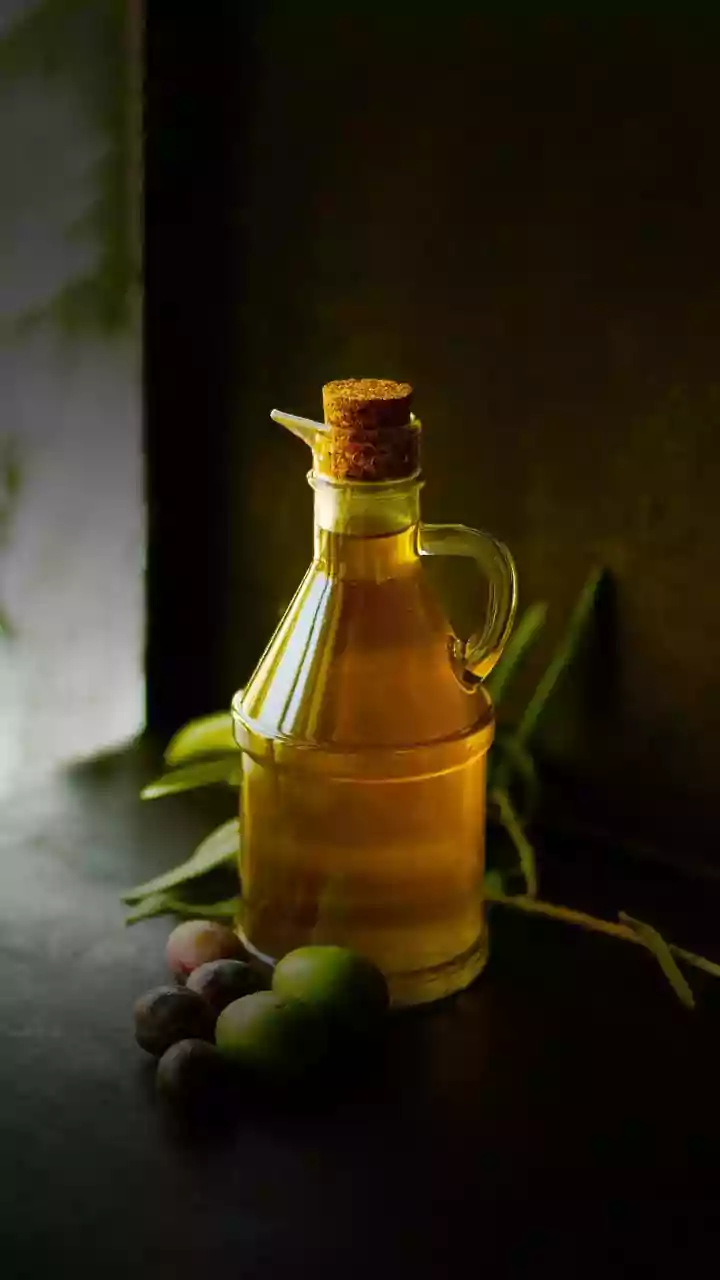
The foundation of any great infused oil is the oil itself. You have two main paths: a neutral oil or a flavourful one. Neutral oils like sunflower, grapeseed, or canola are excellent choices if you want the pure, clean flavour of the herbs to be the star. They provide a blank canvas for the coriander or mint to shine through. On the other hand, using a good quality extra virgin olive oil can add its own peppery or fruity notes, creating a more complex, layered final product. For a first attempt, a light olive oil or sunflower oil is a great, versatile starting point. The key is to choose an oil you already enjoy the taste of, as its character will be a prominent part of the finished infusion.
Coriander Stem Oil: Step-by-Step
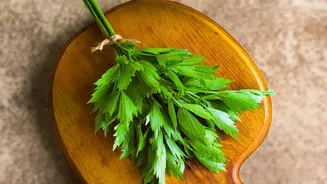
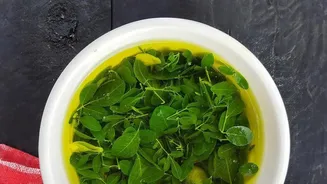
Coriander stems offer an intense, earthy flavour that is perfect for drizzling over dals, roasted vegetables, or grilled meats. To make the oil, start with a large bunch of coriander stems, washed thoroughly and patted completely dry. Roughly chop the stems. For the most vibrant green colour, some chefs recommend blanching the herbs in boiling salted water for just 10-15 seconds, then immediately plunging them into an ice bath to stop the cooking process. After the ice bath, you must dry the stems thoroughly. Combine about two cups of packed stems with half a cup of your chosen oil in a blender and puree until smooth. Gently warm this mixture in a saucepan over low heat for about five minutes, ensuring the temperature stays below 80°C to prevent a cooked flavour. Let it cool completely before the final step.
Mint Stem Oil: A Refreshing Twist
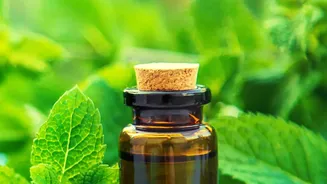
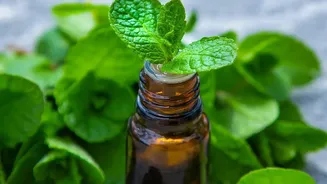
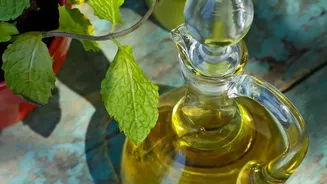
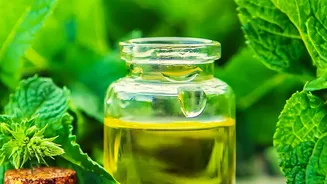
Mint stem oil provides a cool, refreshing essence that works wonders in salad dressings, marinades for lamb, or even drizzled over fruit salads. The process is similar to making coriander oil. Gather a generous amount of fresh mint stems, wash them, and ensure they are impeccably dry, as water can cause the oil to spoil. You can muddle or bruise the stems before adding them to the oil to help release their aromatic compounds. Combine the stems with your oil in a small saucepan. Gently warm the mixture over low heat for 5-10 minutes, being careful not to let it simmer or boil. The goal is to gently coax the flavour out, not to fry the herbs. Once warmed, remove the pan from the heat and allow the oil to cool down to room temperature, letting the flavours continue to meld.
Straining, Storage, and Safety
This is the most critical stage for both safety and quality. Once your oil has cooled, you need to strain out all the solid plant material. Line a fine-mesh sieve with a few layers of cheesecloth or a coffee filter and pour the oil through, letting it drip naturally without pressing down, which can make the oil cloudy. Because you are using fresh herbs that contain water, homemade infused oils create an oxygen-free environment where bacteria like Clostridium botulinum can potentially grow. To prevent this risk, your infused oil MUST be stored in a sterilised, airtight bottle in the refrigerator and used within four days. For longer storage, you can freeze the oil in ice cube trays for easy-to-use portions.
Creative Ways to Use Your Oils
Now for the fun part. Your homemade flavourful oils are ready to use. Drizzle the coriander oil over a finished curry, stir it into yoghurt for a quick dip, or use it as a base for a vibrant salad dressing. It's also fantastic on roasted potatoes or whisked into a marinade for chicken. The mint oil is equally versatile. Use it to dress a simple cucumber and tomato salad, finish a plate of grilled fish or lamb, or add a few drops to a summer vegetable soup. You can even get creative by blending it into a pesto or stirring it into grain bowls for a fresh, aromatic lift. These oils are best used as finishing oils, added at the end of cooking to preserve their delicate flavours.