





The AI Data Pipeline
To build powerful image-generation and facial recognition models, tech companies need to teach their AI systems what the world looks like. The fastest way to do this is by scraping massive datasets of images from the internet. This includes everything
from social media posts and news articles to stock photo websites and public photo archives like Flickr. In theory, this vast collection of visual information allows an AI to learn patterns, objects, faces, and styles. However, this process often happens without the explicit consent of the people in the photos, raising significant privacy concerns. The legal and ethical landscape is murky, with companies often relying on broad 'fair use' arguments to justify ingesting copyrighted or personal content.
A Tale of Two Exposure Patterns
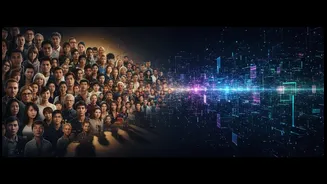
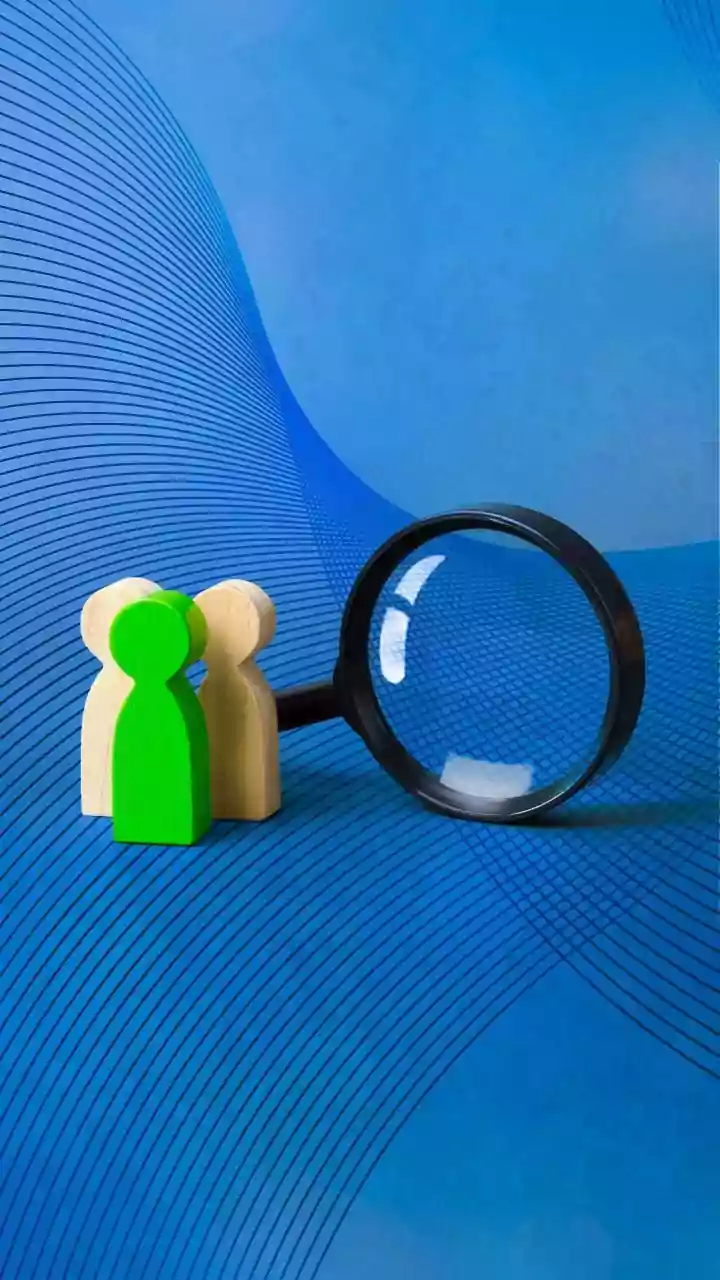
The core issue is that AI models are trained on a skewed reality. The data available for public figures is fundamentally different from that of ordinary users. Celebrities, politicians, and influencers have a massive public footprint. Their images are professionally captured, widely distributed, and endlessly reposted. There are thousands, if not millions, of high-quality images available for any given famous person. For the average person, the data footprint is smaller, more personal, and carries a different expectation of privacy. Their photos are more likely to be personal snapshots shared with a limited audience, even if posted publicly. This difference in volume, context, and intent creates what are known as different 'exposure patterns.'
The Public Figure Paradox
For AI developers, public figures are ideal training subjects. The sheer volume of available images makes them easy targets for teaching an AI to recognize a specific person. Furthermore, the legal framework around a celebrity's name, image, and likeness (NIL) is more established, though still tested by AI. While unauthorized commercial use is often prohibited, the argument for using their images as part of a vast, anonymized training dataset is an easier one for tech companies to make. The public nature of their lives means there is a lower expectation of privacy for photos taken at a movie premiere compared to a private citizen's photos from a backyard barbecue. This makes their data abundant and, from a developer's perspective, lower risk.
The Ordinary User's Dilemma
For ordinary users, the situation is far more precarious. Having your photos scraped from social media and fed into a training model without your knowledge or consent is a significant privacy violation. This practice, which some researchers call a violation of 'contextual integrity,' takes photos shared in one context (e.g., with friends) and repurposes them for a completely different one (commercial AI development). Unlike a celebrity, an ordinary person has no recourse and often no idea their likeness is now part of a model's internal structure, making it nearly impossible to remove. This raises the risk of their face being used to create deepfakes, non-consensual imagery, or simply appearing in unexpected and unwanted AI-generated content.
The Algorithmic Consequences
This data imbalance has profound consequences. AI models trained on this skewed data can become biased. If the training data for 'a successful person' is overwhelmingly images of public figures, the AI may learn to associate success with those specific demographics. More dangerously, the lack of diverse, ethically sourced data from a global population means models may be less accurate for underrepresented groups, leading to failures in everything from facial recognition systems to medical diagnostic tools. An AI trained primarily on the most visible people on the internet does not reflect humanity; it reflects the biases of celebrity culture and media coverage, creating a feedback loop where technology amplifies existing inequalities.