



A Story in Every Corner
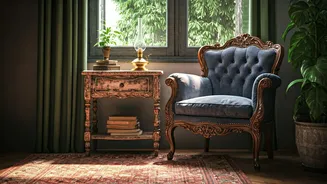
In an age of mass-produced furniture, vintage pieces offer something increasingly rare: a narrative. [13] Each scuff, patina, and handcrafted detail tells a story, turning a simple piece of furniture into a conversation starter. [17] For many, this trend
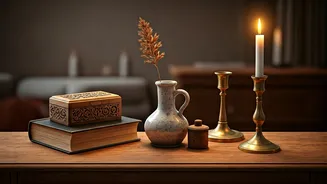
is a reaction against the sterile, one-size-fits-all aesthetic of 'fast décor'. [4] Instead of a home that looks like a catalogue, people are curating spaces that feel personal and lived-in. [3] This desire for uniqueness is a major driver, with homeowners seeking one-of-a-kind items that reflect their personality far more than a brand-new, flat-pack equivalent ever could. [17]
Smarter Scale for Smaller Spaces
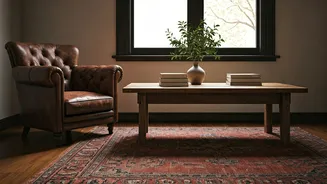
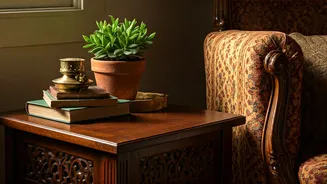
Ironically, furniture from a bygone era is often perfectly suited for modern, compact living. Many vintage and mid-century pieces were designed for the smaller homes of their time, where every square foot mattered. [5] These items tend to have a smaller footprint—think narrower dressers, shorter tables, and less bulky armchairs—compared to contemporary furniture often designed for large, open-plan houses. [5, 10] Furthermore, antique-style mirrors are a popular choice as they reflect light and create an illusion of openness, a classic trick that works exceptionally well in smaller Indian apartments. [3]
The Nostalgia Factor
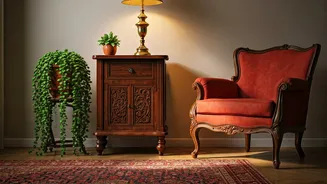
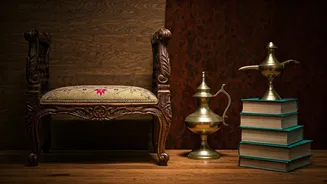
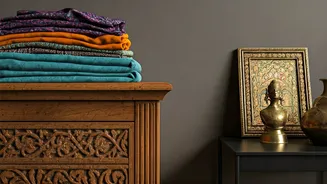
There's a powerful emotional pull to items that remind us of our childhoods or our grandparents' homes. [11, 16] This sense of nostalgia is a key reason for the vintage revival. Incorporating elements like traditional Indian motifs, handwoven textiles, or familiar materials such as teak and brass can make a modern apartment feel grounded and connected to its cultural roots. [3, 11] It’s about more than just aesthetics; it's about creating a feeling of warmth, comfort, and homecoming. In a rapidly changing world, these pieces offer a tangible link to the past and a sense of continuity. [11, 18]
A Sustainable and Conscious Choice
The environmental benefit of choosing vintage is a significant factor for a growing number of conscious consumers. Opting for a pre-owned or upcycled piece of furniture is an inherently sustainable act. [10] It reduces the demand for new manufacturing, saves a piece from landfill, and lowers the carbon footprint associated with producing new goods. [4, 6] This aligns with a broader shift towards a “buy less, buy better” mentality. [4] Homeowners are increasingly choosing items that are not only eco-friendly but also built to last, valuing the quality craftsmanship of older pieces over the disposability of modern alternatives. [6, 17]
Blending Old and New
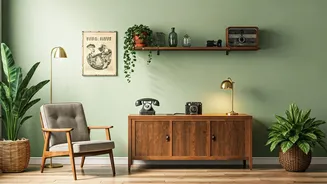
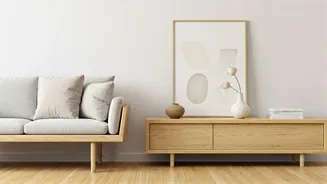
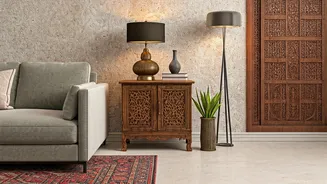
The trend isn't about turning homes into museums. Rather, it's about the artful blend of vintage and contemporary elements. [15] A popular approach is the 70/30 rule, where 70% of the furnishings are modern for functionality and comfort, while 30% are vintage or heritage pieces that add soul and character. [13] This could mean pairing a sleek, modern sofa with an antique brass lamp or placing a reclaimed wood chest in a minimalist living room. This juxtaposition creates a dynamic and interesting space that feels both current and timeless, perfectly capturing the spirit of modern Indian living.