
Start with Detailed Planning
Successful accessible travel in India begins long before you book a ticket. While government initiatives like the Accessible India Campaign (Sugamya Bharat Abhiyan) are making public spaces more inclusive, the reality on the ground varies. Never assume
accessibility. When contacting hotels, transport providers, or tour operators, be specific about your needs. Instead of asking if a place is 'accessible', ask direct questions: 'Do you have step-free access to the entrance and restaurant?', 'What is the width of the bathroom door?', 'Is there a roll-in shower with a grab bar?'. This detailed approach helps avoid disappointment and ensures your needs are met. For visual or hearing impairments, inquire about the availability of audio guides, Braille signage, or staff trained to assist.
The Golden Triangle: An Accessible Starting Point
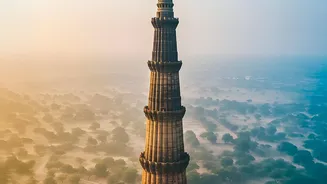
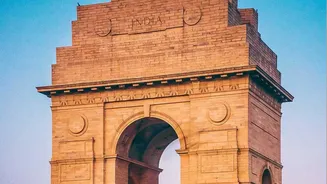
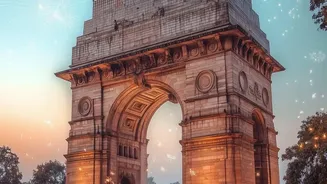
For first-time accessible travel in India, the Golden Triangle of Delhi, Agra, and Jaipur is often the most practical route. Delhi's modern metro system has lifts and tactile paving, making it one of the country's more accessible urban transport networks. Many key sites like Kartavya Path and the Qutub Minar complex have been upgraded with ramps and paved pathways. In Agra, the Taj Mahal has made significant strides; wheelchairs are available, electric carts bridge the distance from the parking area, and ramps allow access to enjoy stunning views of the monument, even if the inner sanctum remains a challenge. Jaipur's accessible heritage circuit includes specific routes at Amber Fort (with lift access), City Palace, and Jantar Mantar.
Kerala: A Pioneer in Barrier-Free Tourism
Kerala has actively positioned itself as a leader in accessible travel. Through its 'Barrier-Free Tourism Project', the state has worked to make dozens of destinations disabled-friendly. Fort Kochi was notably declared a disabled-friendly heritage site, with features like non-slip tiles and ramps. The famous backwaters can also be enjoyed, with some operators offering accessible houseboats and boarding facilities. From beaches like Kovalam to hill stations, the initiative has focused on adding facilities like ramps, accessible toilets, and Braille signage. This concerted effort has even earned Kerala recognition from the UNWTO as an Emerging Global Destination for accessible travel.
Other Notable Accessible Destinations
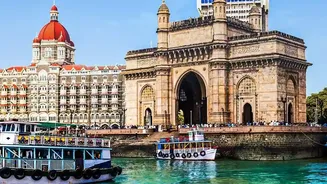
Beyond the main circuits, accessibility is improving at various landmarks. In Madhya Pradesh, the Sanchi Stupa is well-equipped with tactile paths, Braille information, and wheelchair-accessible routes. Monuments like Tipu Sultan's Summer Palace in Bengaluru and the Lakshmana Temple in Chhattisgarh have also been recognized for their disabled-friendly features, including Braille brochures and tactile pathways. Goa, a popular beach destination, has introduced beach wheelchairs at locations like Calangute and Palolem, along with accessible pathways on the sand. Many hotels in Goa have also invested in ground-floor accessible rooms and even pool lifts. In Mumbai, the promenade at Marine Drive and the area around the Gateway of India are largely flat and navigable.
Partnering with Travel Specialists
Navigating the logistics of an accessible trip can be complex. Thankfully, a growing number of travel companies in India now specialize in creating tours for travellers with disabilities. Companies like Planet Abled, Enable Holidays, and Special Care Holidays offer services that include booking verified accessible hotels, arranging suitable transport like wheelchair-accessible vans, and providing trained staff for assistance. These agencies have in-depth knowledge of ground realities and can design customised itineraries that match specific mobility, sensory, or other needs. They can take the stress out of planning by handling the detailed verification required for a smooth and enjoyable journey.