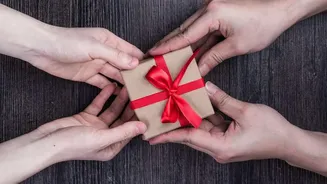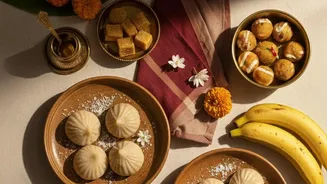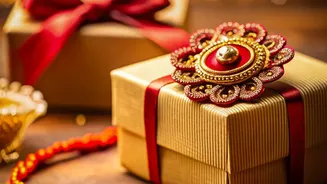




Remember the mountain of festive hampers that once defined Diwali? The glossy boxes of assorted sweets and dry fruits are facing quiet competition as a new gifting philosophy takes hold: usefulness is the ultimate luxury. But what's behind this shift?
The Changing Face of Festive Gifting
For years, the festive hamper was the undisputed champion of Indian gifting. It was a convenient, one-size-fits-all solution for everything from corporate gifting to family obligations. A basket filled with sweets, savouries, and perhaps a small decorative item was a sign of abundance and celebration. However, a quiet revolution is underway. Consumers are increasingly side-eyeing the predictable 'soan papdi' box that gets regifted with notorious efficiency. The modern Indian gift-giver is becoming more discerning, thoughtful, and conscious of the message their present sends. Gifting is no longer just a transaction; it's an expression of care, taste, and understanding the recipient's lifestyle.
The Appeal of a Purposeful Present
Practical gifting is less about grand, one-off gestures and more about integrating into someone's daily life. Think of a high-quality travel charger, a subscription to a streaming service, a set of premium soy-wax candles, or a well-designed piece of kitchenware. Psychologically, there's a profound difference. While a flashy gift provides a momentary 'wow,' a useful item creates a loop of positive reinforcement. Every time the recipient uses that gift—whether it’s a handloom cushion cover or a smart home device—they are reminded of the giver's thoughtfulness. This shift prioritizes long-term value and sustained happiness over the fleeting excitement of unwrapping something purely ornamental.
A Sustainable and Mindful Choice
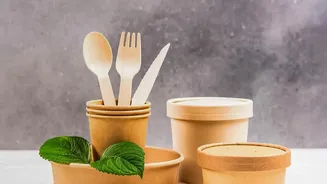
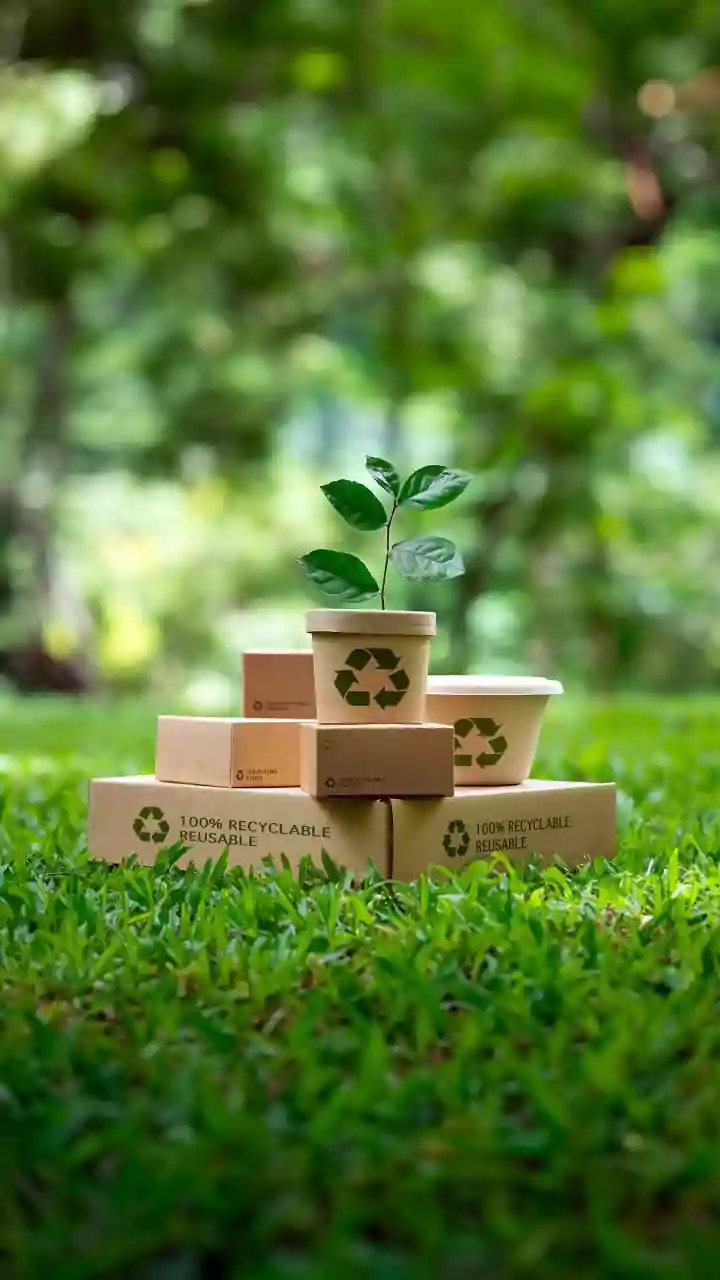
The move towards practical gifts is also deeply intertwined with a growing consciousness around sustainability. Many festive hampers are notorious for excessive packaging—layers of plastic, synthetic ribbons, and thermocol trays that contribute to India's massive festive waste problem. Consumers are now actively seeking eco-friendly alternatives. This includes gifts made from recycled or natural materials like bamboo and jute, as well as items that reduce waste in the long run, such as reusable water bottles or beeswax food wraps. A recent industry report noted an 80% preference for eco-friendly gifts during the festive season, showing that environmental impact is becoming a key factor in gifting decisions. People want to give something that leaves a positive impact, not a pile of non-biodegradable trash.
Personalisation Over Generic Abundance
One of the biggest criticisms of the traditional hamper is its impersonal nature. More and more, people prefer gifts that feel emotionally expressive rather than transactional. Giving a curated gift that matches a person's specific hobbies, needs, or tastes shows genuine effort and deepens connection. A thoughtfully chosen book for an avid reader, a set of artisanal spices for a home chef, or a wellness product for a friend needing to de stress speaks volumes more than a generic box of assorted items. This is a move from the 'homogenous to the personal'. Even corporate gifting, once the bastion of generic hampers, is shifting towards customised and useful items that communicate a genuine understanding of employees and clients.
Experiences and Skills Gain Ground
The definition of a 'practical' gift has also expanded beyond physical objects. Experience led gifts are gaining significant traction. This could be anything from a voucher for a pottery class or a weekend getaway to a subscription for a learning platform. These gifts offer something incredibly valuable: memories and skills. They provide joy and enrichment that last far longer than a box of chocolates. In a world cluttered with material possessions, the gift of an experience feels decluttered, modern, and deeply personal, reflecting a broader cultural shift where doing is often more valued than having.