







The Predictable Cycle of Chaos
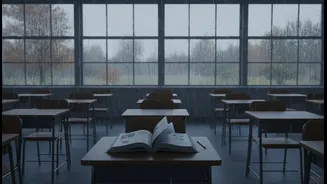
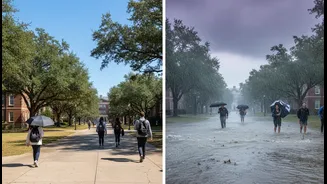
The current approach to monsoon-related school closures is defined by its lack of planning. District administrations, often responding to heavy rainfall and waterlogging, announce holidays at the last minute. This leaves parents scrambling for childcare
and creates a cascade of uncertainty. For working mothers, the burden is often disproportionately heavy, sometimes forcing them to take leave from work or even leave their jobs to manage the disruption. While student safety is paramount, the reliance on complete shutdown as the only tool is a failure of imagination and policy. This ad-hoc response treats a predictable, annual event like a surprise emergency, perpetuating a cycle of disruption that our education system can ill afford.
Online Learning Is Not a Magic Wand
The default solution proposed during closures, from monsoons to pandemics, has been to shift to online classes. However, this approach consistently ignores the deep-seated digital divide in India. A significant portion of households, particularly in rural and low-income areas, lack access to the necessary devices and stable internet connectivity required for remote learning. Even when devices are available, issues like power cuts—especially common during monsoons—render them useless. Furthermore, the overnight shift to online platforms places immense strain on teachers who may not be trained for digital pedagogy, and on students who struggle with screen fatigue and a lack of direct interaction. To present online learning as a universal fix is to ignore the reality for millions of students who are simply left behind.
The Escalating Cost of Lost Learning
Every day a school is closed is a day of lost learning, and these days add up. Climate-related disruptions, including monsoons and heatwaves, already cost students around 10% of their academic year. This consistent loss of instructional time has a severe impact, forcing teachers to rush through the syllabus, which inevitably leaves many students behind. The consequences are not distributed equally. Students from marginalised communities, who may rely on school for midday meals and a safe environment, are hit the hardest. The repeated interruptions erode foundational knowledge, widen the gap between students, and can lead to higher dropout rates, particularly for girls. This isn't just a temporary setback; it's a long-term mortgage on our children's future.
A Blueprint for Educational Resilience
A better study plan is not only necessary but achievable. Instead of a binary choice between open and closed, authorities should develop a tiered response system. This could involve a mix of strategies based on local conditions. For instance, creating and distributing pre-prepared, low-tech learning packets with worksheets and activities that can be completed offline. Models like Tamil Nadu's 'Illam Thedi Kalvi' (Education at your doorstep) or other community-based learning initiatives have shown the value of bringing education closer to home during disruptions. Another approach involves using 'monsoon days' for structured revision, project-based work, or activity-based learning that doesn't rely on new instruction. Establishing partnerships with local community centres or safe buildings to create temporary, small-group learning hubs can also ensure continuity.
From Reaction to Proactive Policy
Ultimately, tackling this issue requires a fundamental shift in mindset from emergency response to long-term resilience planning. Education departments must develop and publicise clear 'Education in Emergencies' protocols before the monsoon season even begins. This includes investing in climate-resilient school infrastructure that can better withstand extreme weather. It means training teachers in flexible, blended learning techniques and creating a bank of ready-to-deploy resources—both digital and physical. This is a call for systemic change. Local, state, and national bodies must work in concert to build an education system that doesn't just pause in the face of predictable challenges but adapts and endures.