





The End of the Endless Patch-Up?
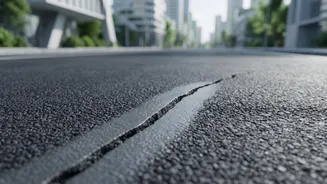
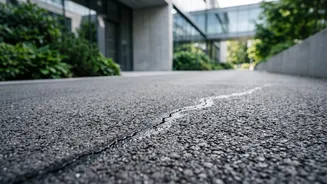
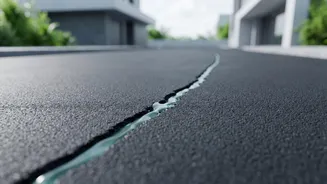
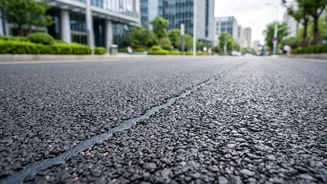
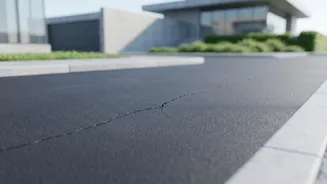
Every year, especially after the monsoon, Indian roads tell a familiar story of decay. Cracks spiderweb across surfaces, quickly growing into jarring potholes that damage vehicles, slow traffic, and pose safety risks. The cycle of repair is relentless
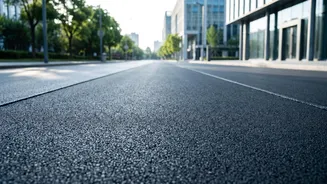
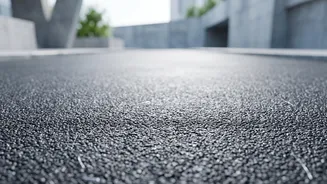
and expensive. Municipalities spend enormous sums on temporary patches and periodic resurfacing, a reactive approach that never quite keeps up. But a shift from reactive repairs to proactive, built-in maintenance may be on the horizon. The concept is called self-healing asphalt, a material engineered to automatically repair the micro-cracks that eventually become major problems. This isn't science fiction; it's an emerging field of material science that could fundamentally change how we build and maintain our roads. Pilot projects are already underway globally, and Indian institutions like the Central Road Research Institute (CRRI) and IIT-Madras are actively experimenting with variants suited for local conditions.
How Does the Magic Happen?
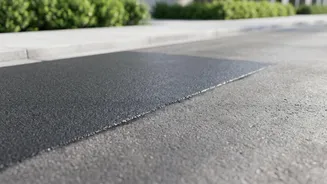
There are several ways to make asphalt 'heal' itself. One leading method involves embedding tiny microcapsules into the asphalt mix. These capsules are filled with a rejuvenating agent, often a type of oil. When a micro-crack forms due to traffic stress or weather, it ruptures nearby capsules. The oil is released, softening the surrounding bitumen (the black, sticky binder in asphalt) and allowing it to flow and seal the crack before it can grow. Some of these rejuvenators are bio-oils derived from sources like sunflowers, recycled cooking oil, or even algae, which adds an 'eco' dimension to the binder. Another approach uses conductive materials like steel fibres or iron oxide nanoparticles mixed into the asphalt. To trigger a repair, a special maintenance vehicle passes over the road, generating a magnetic field. This heats the conductive fibres, which in turn melt the surrounding bitumen just enough to fill any gaps. The road effectively resets itself without the need for disruptive and labour-intensive patchwork.
The Economic Equation for Cities
The primary appeal for municipal bodies is the potential for massive cost savings. Road maintenance is a significant and recurring drain on public funds. By addressing micro-damage autonomously, self-healing asphalt can dramatically extend the lifespan of a road surface—some studies suggest by 30% or more. This means fewer potholes, less frequent resurfacing, and a reduction in emergency repair call-outs. While the initial cost of self-healing asphalt may be higher than conventional mixes, the long-term savings on maintenance and labour can be substantial. A longer lifespan means budgets can be stretched further, allowing for more strategic infrastructure investments rather than constantly chasing repairs. Furthermore, fewer roadworks mean less traffic disruption, which has its own economic benefits by reducing delays for commuters and commercial transport.
Greener Roads Ahead
The 'eco-binder' aspect of this technology offers significant environmental advantages. Traditional asphalt binder, bitumen, is a petroleum product with a considerable carbon footprint. By incorporating bio-binders from renewable sources like plant oils, algae, or forestry byproducts like lignin, the reliance on fossil fuels is reduced. Some bio-binders are even considered carbon-negative, meaning the raw materials absorb more CO2 during their growth than is emitted during production. Replacing even a portion of traditional bitumen can lead to a measurable drop in emissions. Extending a road's lifespan also contributes to sustainability. Every time a road is resurfaced, it requires the production and transport of new materials, consuming energy and generating emissions. By making roads last longer, self-healing technology reduces the overall environmental toll of our infrastructure over its entire life cycle.
The Road to Widespread Adoption
Despite the promise, self-healing roads are not yet a standard feature. One of the main hurdles is the higher upfront material cost compared to traditional asphalt. Researchers and engineers are working to make these technologies more cost-effective and scalable for widespread use. A thorough cost-benefit analysis is crucial for governments before any large-scale implementation. Furthermore, the technology needs to be proven durable under diverse and harsh real-world conditions, from heavy freight traffic to extreme weather cycles. In India, the National Highways Authority of India (NHAI) is exploring these technologies, with research focused on adapting them to the country's unique climate and heavy traffic loads. While it may be some years before self-healing roads are common, the ongoing research and pilot projects represent a crucial step towards a future of smarter, more resilient, and more sustainable infrastructure.