






Myth 1: Juicing Preserves All the Good Stuff
The central appeal of cold-pressed juice is its promise of maximum nutrient retention. The process involves using a hydraulic press to extract juice without generating the heat that traditional centrifugal juicers do. This method does help preserve heat-sensitive
vitamins and enzymes that might otherwise degrade. However, the most significant nutritional change isn't what is preserved, but what is removed: fiber. The juicing process separates the liquid from the pulp, and that pulp contains the vast majority of the fruit and vegetable's dietary fiber. While some soluble fiber may remain in the liquid, the crucial insoluble fiber is almost entirely discarded.
The Undeniable Importance of Fiber
Fiber is a digestive superstar, and removing it has significant consequences. Dietary fiber comes in two forms: soluble, which dissolves in water to form a gel, and insoluble, which adds bulk to stool. Together, they are essential for maintaining a healthy digestive system. Fiber slows down digestion, which helps you feel full and satisfied after a meal. It also plays a critical role in regulating blood sugar by slowing the absorption of sugar into the bloodstream. Furthermore, it feeds the beneficial bacteria in your gut and promotes regular bowel movements, preventing issues like constipation. By stripping out up to 90% of this fiber, juicing removes one of the most important health benefits of eating whole fruits and vegetables.
Myth 2: All the Sugar Is Natural, So It’s Healthy
While it's true that the sugar in 100% fruit juice is natural fructose, its impact on your body is very different without fiber. When you eat a whole apple, the fiber forces your body to work harder to break it down, leading to a slow, steady release of sugar into your bloodstream. When you drink apple juice, you're consuming the sugar from several apples at once in a liquid form that your body absorbs almost instantly. This rapid absorption can cause a sharp spike in blood sugar and insulin levels, much like drinking a sugary soda. Over time, frequent consumption of high-sugar juices has been linked to an increased risk of type 2 diabetes, whereas eating whole fruits is associated with a lower risk.
Myth 3: Juice Is a Perfect Meal Replacement
Given the high concentration of sugar and lack of fiber and protein, juice is not an effective meal replacement. The absence of fiber means it won't keep you feeling full for long. Many people find they are hungry again shortly after drinking a juice, which can lead to consuming more calories overall. Relying on juice for a "cleanse" or "detox" is also misguided. Your liver and kidneys are your body's natural, highly effective detoxification system, and they don't require juice to function. While a juice cleanse might lead to short-term weight loss due to calorie restriction, the weight is typically regained once a normal diet is resumed.
A Smarter Way to Sip
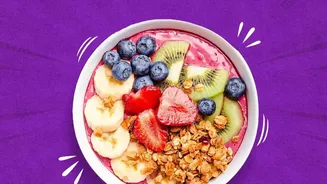
This doesn't mean you have to banish juice from your life entirely. The key is to be a smarter consumer. If you enjoy juices, opt for those that are primarily made from vegetables like kale, spinach, and cucumber, which are naturally lower in sugar. Think of juice as a supplement to your diet, not a staple. A small glass of 150ml is a reasonable portion size. An even better alternative is blending. Making a smoothie with whole fruits and vegetables retains all the beneficial fiber, creating a more balanced and satisfying drink that supports digestive health and provides a slower release of energy.