





The Comfort of a 'Simpler' Time
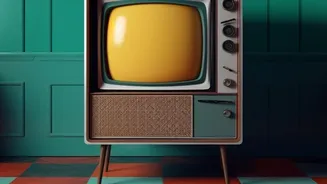
For a generation that grew up with smartphones, social media, and a 24/7 news cycle, the 1990s can look like a peaceful refuge. Psychologists note that periods of uncertainty often fuel a longing for the past. The 90s, as portrayed on television, represent
a pre-digital era where social interactions happened face-to-face and life seemed less complicated. This longing is not always for a past one has personally lived. A concept known as 'anemoia' describes nostalgia for a time you've never known. This feeling is often constructed from cultural narratives and media, creating an idealized version of a decade that feels comforting and appealing compared to the complexities of modern life.
The Streaming Revolution Makes It Possible
This trend wouldn't be possible without the rise of streaming platforms. Services like Netflix, Amazon Prime Video, and Disney+ have become vast digital archives, offering extensive libraries of classic shows. Unlike traditional television with its rigid schedules, streaming allows on-demand access and binge-watching, which has fundamentally changed viewing habits, especially for younger audiences. Shows that might have been difficult to find are now just a click away, digitally restored and readily available. This accessibility removes the barrier of entry, allowing young viewers to discover and consume entire series that ended before they were born, making shows like 'Friends' massive hits all over again.
When Retro Aesthetics Feel New
The 90s are back in style, and not just on TV. Fashion trends like baggy jeans, crop tops, and chunky sneakers have made a major comeback, largely driven by Gen Z. This revival of 90s aesthetics makes the television shows of that era feel surprisingly current. The characters' wardrobes don't look dated; they look fashionable. This visual familiarity helps bridge the gap between decades, making the content more relatable. Brands have taken notice, re-releasing vintage-style products and leveraging retro designs in their marketing, creating a feedback loop where fashion, media, and marketing all reinforce the appeal of the 90s.
Borrowed Nostalgia and Shared Moments
While some Gen Z members were born in the late 90s, many have no direct memory of the decade's cultural moments. Their nostalgia is often 'borrowed' from older siblings, parents, or the culture at large. In India, where multiple generations often live together and share entertainment, this effect can be amplified. A show that an older family member loved becomes a shared experience. Brands in India have successfully tapped into this, reviving old jingles and packaging that resonate with older consumers' memories and younger consumers' desire for authenticity. This creates an emotional connection that cuts across age groups, turning a simple product or show into a shared cultural touchstone.
The Power of a Good Story
Beyond the trends and psychology, there's a simpler reason for the enduring appeal of these shows: they are often well-written, character-driven stories. Sitcoms like 'Living Single' and teen dramas from the era offered relatable characters and universal themes of friendship, family, and finding your place in the world. These narratives are timeless. For young people navigating their own lives, the problems, jokes, and triumphs of characters from 30 years ago can feel just as relevant today. The high quality of the storytelling is a major factor in why these shows have found a new, loyal audience a generation later.