






The Hidden Dangers Overhead
Recent incidents across the country serve as a grim reminder of the risks. In early July 2026, a fatal balcony collapse in Mumbai during heavy rains highlighted the vulnerability of older buildings. Another collapse in Navi Mumbai around the same time
forced the evacuation of 17 families, while a man in Vashi was killed by a falling balcony slab. While these events occurred in a major metropolitan area, they underscore a nationwide problem that is often more acute in smaller cities. The primary culprits are tragically familiar: poor quality construction materials, illegal modifications that overload structures, and a glaring lack of periodic maintenance. Over time, constant exposure to India's harsh weather—from intense monsoons to scorching heat—weakens concrete and corrodes steel, turning balconies and other projections into hazards.
What is a Balcony Audit?
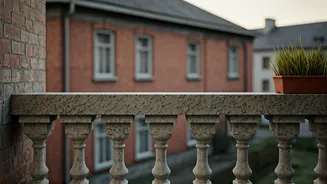
A 'balcony audit' is essentially a structural health check-up. It's a formal assessment conducted by a qualified structural engineer to evaluate the safety and stability of a building's external projections, including balconies, parapets, and facades. The process involves more than just a visual glance. Engineers inspect for deep cracks, signs of water seepage, corrosion of reinforcement bars, and the overall load-bearing capacity of the structure. In cities like Mumbai, structural audits are mandatory for buildings over 30 years old, with follow-up inspections every few years. This isn't just bureaucracy; it's a critical preventive measure. Such audits provide a clear report card on a building's health, recommending necessary repairs before minor defects can lead to a catastrophic failure. Adopting this proactive approach is essential for ensuring the safety of residents and passersby alike.
Beyond Balconies: The 'Bucket Audit'
The term 'bucket audit' is a metaphor for a much broader and equally vital task: a comprehensive review of a community’s basic civic infrastructure. It's about checking the simple, essential things that are often overlooked until they fail. This includes ensuring that fire safety equipment is functional and accessible, drainage systems are clear to prevent monsoon flooding, electrical wiring isn't dangerously exposed, and common areas are well-maintained and safe. Resident Welfare Associations (RWAs) are perfectly positioned to lead this charge. Their responsibilities already include the upkeep of common areas, managing society funds, and ensuring the safety of residents. By systemizing a 'bucket audit'—a checklist of routine inspections for everything from lift maintenance to water tank cleaning—RWAs can move from a reactive to a proactive mode of governance, fostering a culture of safety and accountability within the community.
Why Small Cities Are At Greater Risk
India’s smaller Tier-2 and Tier-3 cities are experiencing rapid, often chaotic, urban growth. This boom frequently outpaces the capacity of local municipal bodies to enforce building codes and conduct regular inspections. Unlike their metropolitan counterparts, which may have more established regulations and resources for enforcement, smaller cities often grapple with a lack of qualified personnel and political will. Construction is sometimes driven by builders who cut corners on materials and design to reduce costs, leading to structures that are weak from day one. Furthermore, resident awareness and the effectiveness of RWAs can be lower. Without strong local governance and empowered resident bodies, buildings age without proper maintenance, illegal additions go unchecked, and the risk of structural failure grows silently year after year.
A Call for Proactive Safety
The solution requires a two-pronged approach. First, municipal corporations in smaller cities must be empowered and mandated to enforce building safety norms rigorously. This includes making periodic structural audits mandatory for all buildings over a certain age, not just in the metros. Clear guidelines, like those outlined in the National Building Code, must be adopted and enforced with penalties for non-compliance. Second, we must empower residents. RWAs need to be educated on their rights and responsibilities regarding building maintenance and safety. They can champion the cause for regular 'balcony and bucket audits,' ensuring their communities are safe from the ground up. This shift from a reactive post-disaster response to a culture of proactive, preventive maintenance is not just a policy recommendation—it's a social necessity.