




The Rise of the Pet-First Itinerary
The way Indians travel is changing, with pets becoming central to holiday planning. Recent data shows a massive preference for pet-inclusive travel, with 93% of Indian pet owners favouring road trips that more easily accommodate their four-legged family
members. This shift reflects a deeper trend of 'pet humanization', where owners treat their pets with the same care and consideration as any other family member. This extends to all aspects of their well-being, especially diet. Gone are the days of leaving a pet behind or hoping for the best with local food options. Today’s pet parents are meticulously planning their pet's meals to avoid the stress and digestive upset that can come from a sudden change in diet on the road.
The Challenge of the Travelling Bowl
While the intention is clear, the execution can be challenging. A sudden switch in food can lead to gastrointestinal issues like diarrhoea or vomiting, which is the last thing any owner wants to deal with on vacation. Furthermore, the specific brand or type of food your pet is used to, especially if it's a veterinary-prescribed diet, may not be available at your destination. Relying on hotels is also a gamble; while some high-end, pet-friendly establishments may offer pet menus, it’s not a widespread standard. This leaves the responsibility squarely on the owner to pack smart and ensure their pet’s nutritional needs are met without disruption.
Smart Food Strategies for the Road
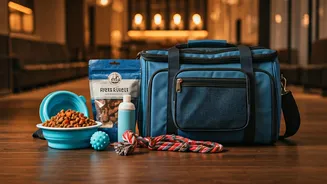
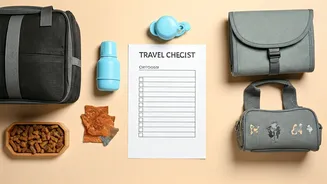
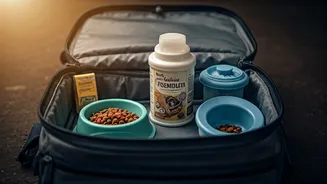
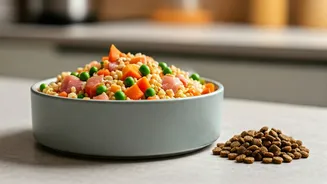
The golden rule of feeding pets while travelling is consistency. Veterinarians advise sticking to your pet’s regular diet to minimise stress on their digestive system. For road trips, this is relatively straightforward. Pre-portioning your pet's regular kibble into individual meal bags is a simple and effective method. For longer trips or air travel where luggage weight is a concern, a new category of food is gaining popularity in India: freeze-dried and dehydrated meals. Brands are now offering lightweight, nutrient-dense options that are easy to rehydrate and serve. These foods retain most of the original nutrients and flavour, making them a palatable and convenient alternative to heavy bags of kibble. Always pack about 25-30% more food than you think you'll need to account for any travel delays.
Navigating Hotels and Transport
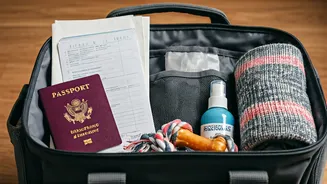
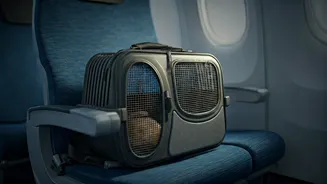
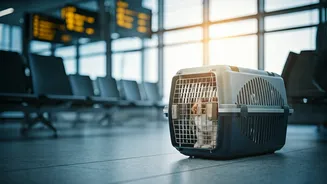
Before booking, always call the hotel to confirm their pet food policy. While a property may be listed as 'pet-friendly', their rules on preparing or storing pet food might vary. Ask if you will have access to a refrigerator if you’re carrying fresh or wet food. When travelling by air, be aware of airline regulations. Most domestic airlines like Air India allow dry pet food in both carry-on and checked luggage. Wet food generally falls under liquid restrictions. It’s also wise to feed your pet a light meal about 4-6 hours before a flight, not immediately before, to reduce the risk of motion sickness. Throughout the journey, by car or plane, ensure your pet has constant access to fresh water, which is even more crucial than food during travel.
Expert Tips for a Happy Tummy
A few expert tips can ensure a smoother journey. Firstly, bring your pet’s own bowls. A familiar bowl can encourage a picky or stressed pet to eat and drink. Collapsible silicone bowls are a lightweight and practical option. Secondly, resist the urge to share your own vacation snacks. Human food can cause serious digestive problems for pets. Pack their own familiar treats for rewards. If your pet is prone to anxiety or motion sickness, consult your veterinarian well in advance of your trip. They can provide advice and, if necessary, prescribe medication. Never administer sedatives without veterinary guidance, as they can have adverse effects, especially during flights.