






The Ultimate Backpacker Budget Hack
The magic of the Vietnamese sleeper bus lies in a simple, brilliant formula: it combines your transportation and accommodation into a single, affordable ticket. Instead of travelling during the day and then paying for a hostel or hotel at night, you travel while
you sleep. An overnight journey that gets you from Ho Chi Minh City to Da Lat doesn't just move you from point A to B; it also saves you the cost of one night's stay. For a budget-conscious traveller, these savings can quickly add up, allowing for a longer trip, more excursions, or simply more delicious bowls of pho. A typical ticket for an overnight journey costs between $10 and $25, while a hostel bed can cost $8 to $15 and a budget hotel room even more. Over a two-week trip with several city hops, this can mean saving a significant amount that can be reallocated to other experiences.
What to Expect Onboard
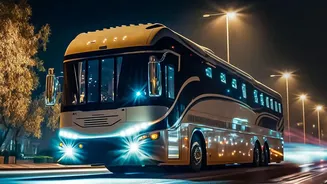
First-timers might be surprised by the interior of a Vietnamese sleeper bus. Instead of seats, you'll find rows of small, two-tiered reclining berths. Standard buses typically have three rows of these bunks, while more modern 'VIP' versions offer two rows of wider, more private cabins, often with curtains. Basic amenities usually include a pillow, a blanket, a bottle of water, and air conditioning that is famously powerful. Many newer buses also have USB charging ports, though it's wise to bring a fully charged power bank just in case. One of the first things you'll notice is the strict 'no shoes' policy; you'll be given a plastic bag for your footwear upon boarding to help keep the sleeping areas clean. Luggage is stored securely under the bus, so it's best to keep a small bag with your valuables and essentials like water, snacks, and an eye mask with you in your bunk.
Navigating Comfort and Safety
While sleeper buses are a fantastic budget tool, it's important to set realistic expectations. The experience is more 'adventure' than 'luxury'. The bunks can be a tight fit for anyone over six feet tall, and the ride can be bumpy on winding roads. Constant horn honking from the driver is a normal part of navigating Vietnamese traffic and may take some getting used to. Most standard buses do not have onboard toilets, but they make regular rest stops every two to three hours. For safety, it’s best to book with reputable companies known for reliable service, such as Futa Bus Lines (Phuong Trang) or The Sinh Tourist. These companies are popular among locals and tourists alike. Petty theft can be a concern, as on any overnight transport, so keeping your passport, wallet, and phone in a small bag close to your body while you sleep is a recommended precaution.
Popular Routes and Booking Tips
Sleeper buses connect all major tourist destinations across Vietnam, making them incredibly convenient. Some of the most popular overnight routes for backpackers include Hanoi to Sapa, Ho Chi Minh City to Da Lat, and the coastal journey connecting cities like Hue, Da Nang, and Nha Trang. Booking is straightforward. You can book tickets online through platforms like 12Go or Vexere, which are user-friendly and have English interfaces. Alternatively, most hostels and hotels can book tickets for you, often including a convenient pickup service. Booking at least a day or two in advance is recommended, especially for popular routes or if you want to secure a preferred bunk—many travellers find the lower-level bunks offer a smoother ride.