


More Than Just a Hobby
The surge in balcony gardening is driven by a powerful mix of motivations that go far beyond a simple pastime. For many urban dwellers, it is a direct response to growing concerns over food quality and safety. The desire for fresh, pesticide-free produce
is a major catalyst. Knowing exactly what goes into your food provides a sense of control and security that is hard to find in a complex supply chain. This trend gained significant momentum as people became more health-conscious, seeking out nutrient-rich foods to boost immunity. Beyond nutrition, micro-gardening offers profound benefits for mental and physical well-being. The simple act of nurturing a plant, watching it grow, and harvesting its yield can significantly reduce stress and provide a gentle form of daily exercise. It fosters a connection to nature that is often lost in the concrete expanse of city life. This hands-on activity has also proven to be inclusive, manageable by women, children, and the elderly, turning gardening into a shared family experience. Furthermore, in an era of fluctuating market prices, growing your own vegetables and herbs can lead to tangible cost savings.
The Perfect Monsoon Bounty
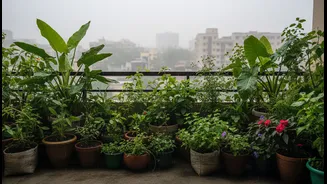
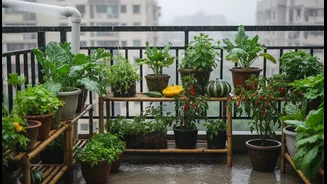
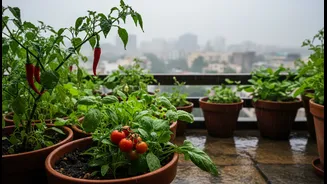
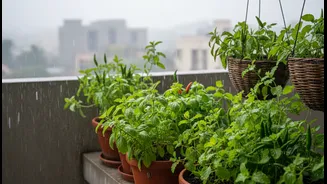
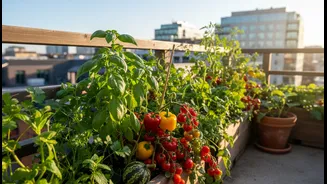
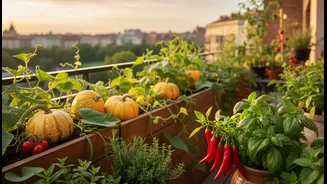
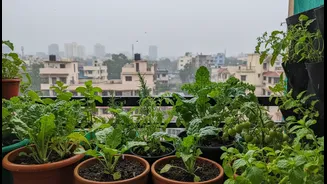
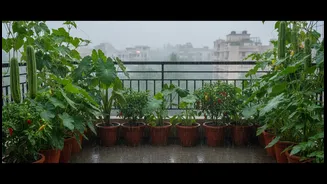
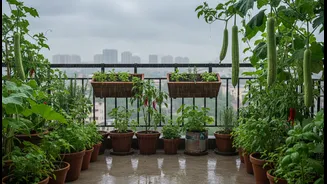
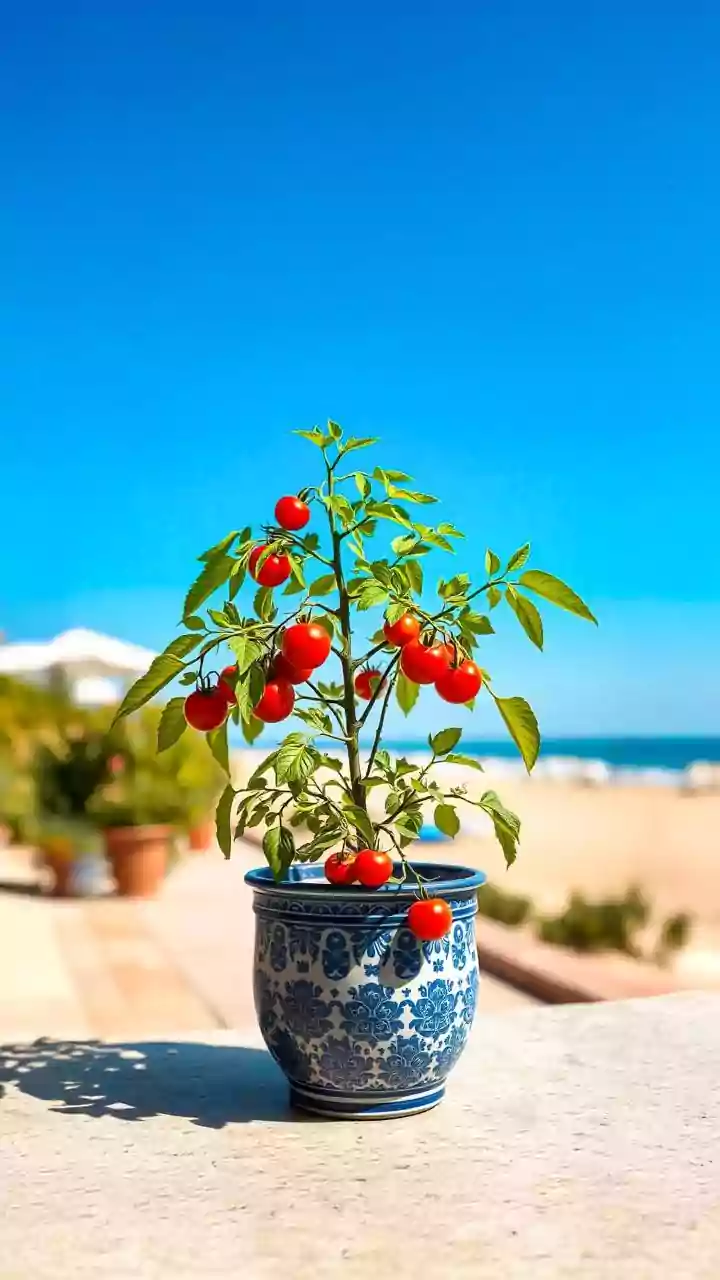
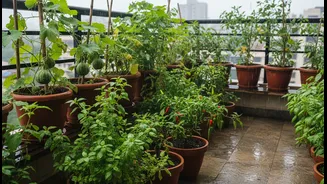
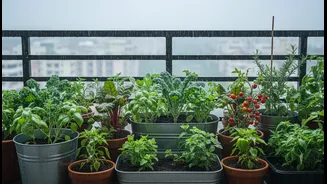
The monsoon season creates near-perfect conditions for a variety of plants that thrive in humidity and consistent moisture. Rainwater itself, being naturally softer and free of chemicals found in tap water, gives plants a noticeable boost. This makes it an ideal time for even novice gardeners to see rewarding results. Herbs are particularly well-suited for monsoon balcony gardens. Mint (pudina), coriander (dhania), and holy basil (tulsi) grow vigorously in small pots, providing fresh flavours for daily cooking. Leafy greens like spinach (palak) and amaranth germinate quickly in the damp soil. The season is also perfect for several gourds. Varieties like bottle gourd (lauki) and bitter gourd (karela) can be trained up trellises, making efficient use of vertical space. Of course, no Indian kitchen garden is complete without chillies, which are compact plants that thrive in the heat and humidity of the monsoon. These plants are not just chosen for their resilience but for their central role in Indian cuisine, making the balcony an extension of the kitchen pantry.
A Greener Urban Future
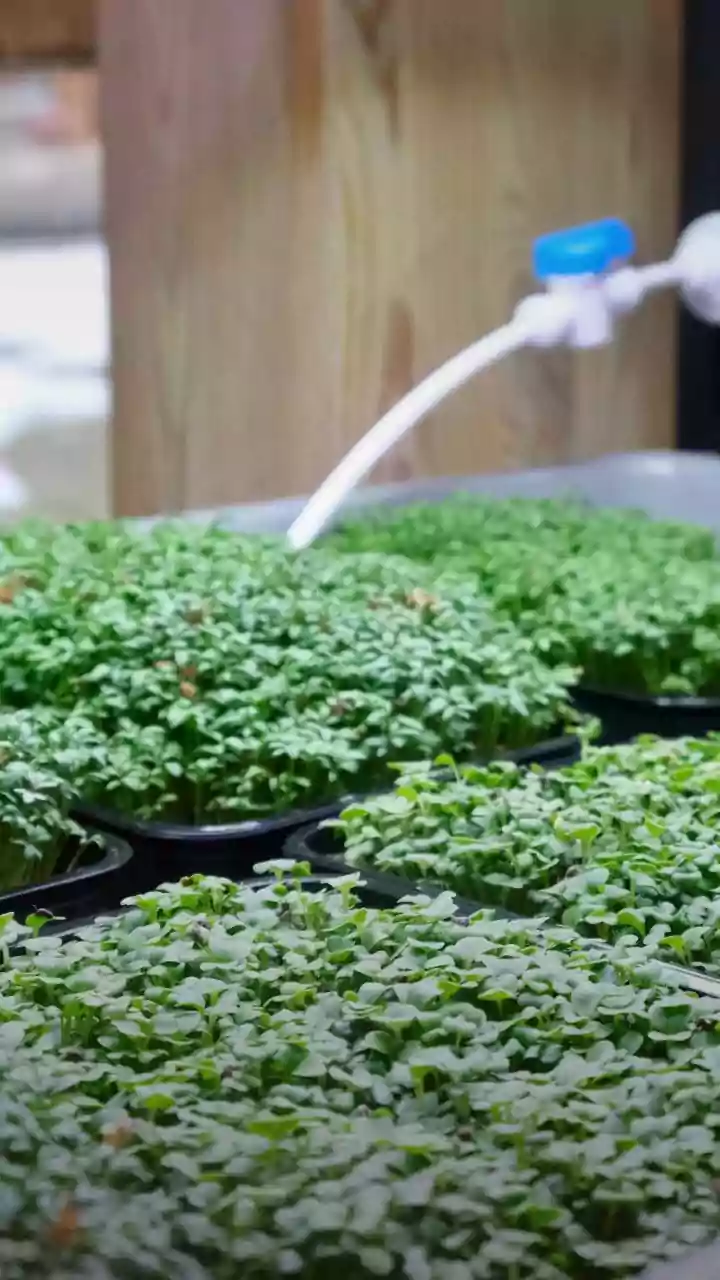
While each micro-garden is small, their collective impact hints at a more sustainable and resilient urban future. This movement is a grassroots solution to several pressing urban challenges. By growing food locally, city residents reduce their reliance on long-distance transportation, which in turn cuts down on the carbon footprint associated with our food supply. This trend also tackles the urban heat island effect; a cluster of green balconies can collectively lower building surface temperatures, reducing the need for air conditioning. A growing number of agri-tech startups are supporting this movement, offering everything from DIY hydroponic kits to specialised seeds and maintenance services. Companies like Homecrop and Pindfresh are making it easier for people with no farming background to start their own gardens, sometimes using innovative soilless techniques. This fusion of individual action and technological innovation is crucial, suggesting a future where cities are not just consumers of food, but active producers, enhancing local food security and community resilience.
Navigating Balcony Challenges
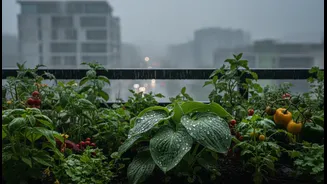
Despite the monsoon's blessings, balcony gardening is not without its difficulties. The same rains that encourage growth can also lead to waterlogged pots if drainage is poor, causing root rot and fungal diseases. Elevating pots on stands and ensuring containers have ample drainage holes are simple but critical steps. Space is another obvious constraint. However, urban gardeners are becoming masters of optimisation, using vertical planters, wall-mounted pots, and railing baskets to maximise their limited square footage. Pests can also be an issue in the humid climate, but many gardeners are turning to natural solutions like neem oil instead of chemical pesticides. Perhaps the biggest challenge is knowledge. Understanding which plant to place where—considering factors like sunlight exposure and shelter from heavy rain—is key to success. Yet, online communities and gardening apps are filling this gap, creating a network where growers share tips, seeds, and encouragement, proving that challenges are simply part of the rewarding journey.