


Redefining 'Prepared' Ingredients
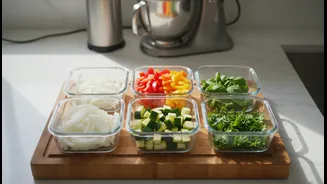
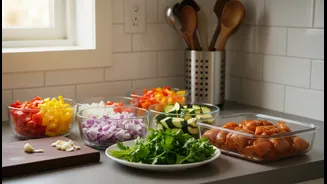
When we hear “prepared foods,” our minds often jump to overly processed, unhealthy options. It’s time for a rebrand. A smart kitchen views “prepared” on a spectrum of convenience. This includes everything from a store-bought rotisserie chicken or high-quality
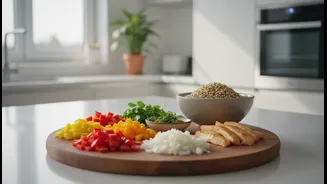
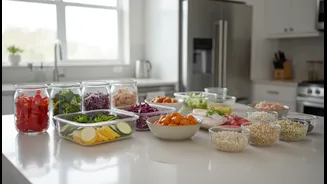
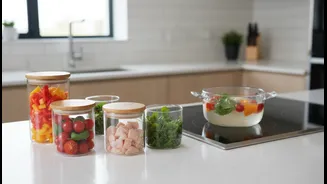
jarred pasta sauce to pre-chopped vegetables and pouches of pre-cooked grains. The goal isn't to eliminate cooking, but to eliminate the most time-consuming steps, like extensive chopping or making a sauce from scratch on a Tuesday night. Thinking of these items as meal components, rather than complete meals, is the first step toward reclaiming your weeknights.
Stocking a High-Function Pantry
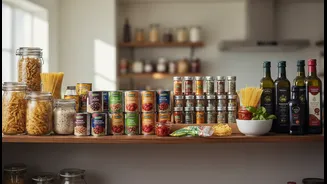
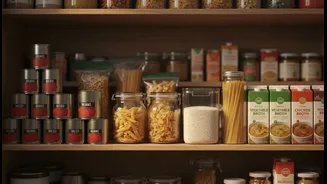
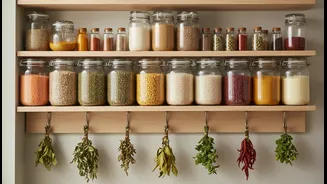
Your pantry is the foundation of a smart kitchen. A well-stocked pantry allows you to create dozens of meals by simply adding a few fresh ingredients. Focus on versatile, shelf-stable basics that can form the backbone of any dish. This includes staples like canned beans (chickpeas, black beans), canned fish, quality broths, and various grains like pasta, rice, and quinoa. Having these items on hand means you’re never truly starting from scratch. You can combine pantry staples with a prepared protein and fresh vegetables for a balanced meal in minutes.
Batch Cooking Your Building Blocks
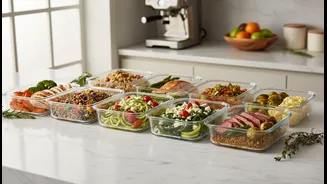
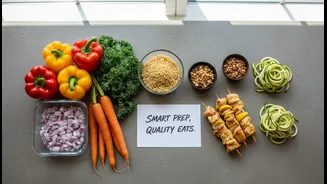
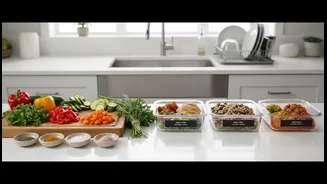
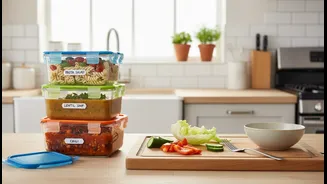
Batch cooking is a core principle of the smart kitchen, but with a twist. Instead of preparing five identical, fully finished meals for the week, focus on prepping components. Dedicate an hour or two on the weekend to cook a large batch of a versatile grain like quinoa, roast a sheet pan of seasoned vegetables, or grill several chicken breasts. These pre-cooked elements can be stored in the fridge and mixed and matched in different combinations throughout the week, preventing flavour fatigue. One day the roasted vegetables can be a side dish, the next they can be blended into a soup or tossed with pasta.
Your Freezer Is Your Best Friend
The freezer is more than just a storage unit for ice cream and frozen peas; it's a critical tool for preserving freshness and convenience. You can freeze individual portions of batch-cooked components like shredded chicken, rice, or portions of soup and stew. One of the most effective strategies is to freeze the parts of meals that take the longest to prepare. Think about freezing homemade meatballs, tomato sauce, or even pre-chopped mirepoix (onions, carrots, and celery). This allows you to pull out a flavourful base and have a home-cooked meal ready in a fraction of the time.
The Finishing Touch of Freshness
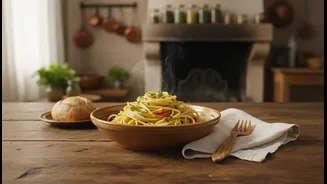
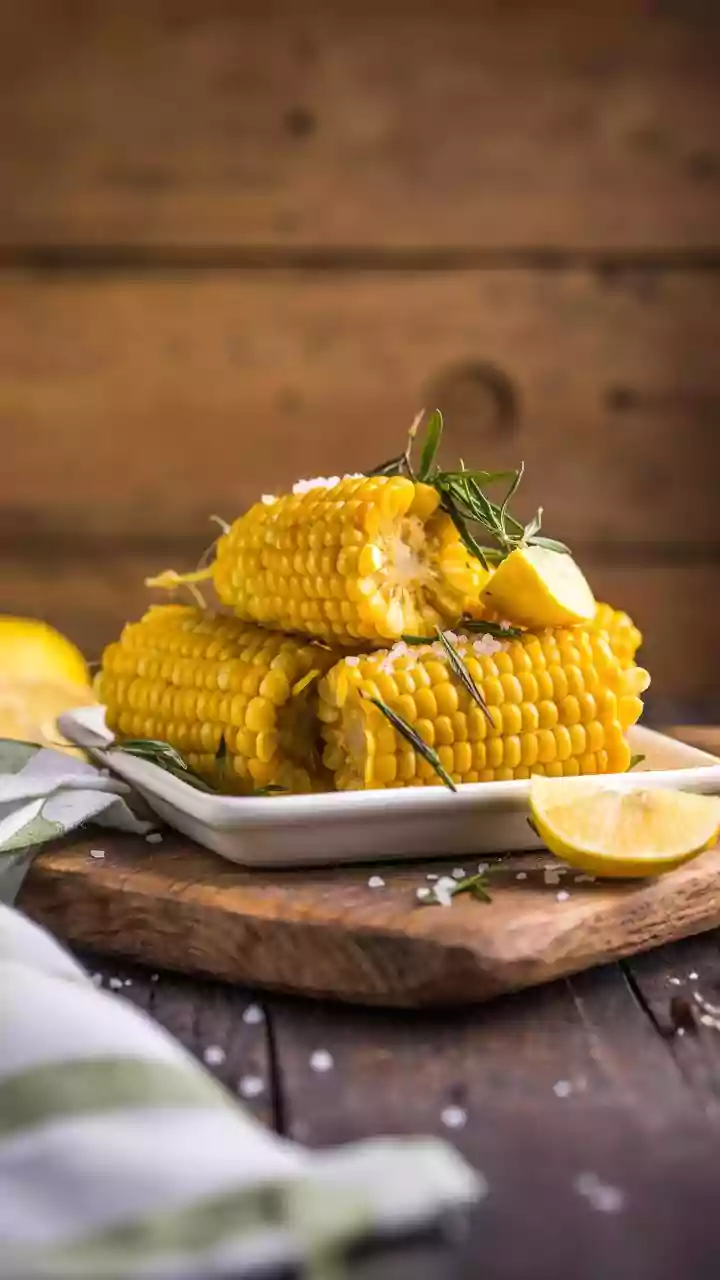
The key to making meals based on prepared elements taste vibrant and fresh lies in the final touches. While the base of your meal might come from the pantry or freezer, always try to add a fresh component just before serving. This could be a handful of fresh herbs like parsley or cilantro, a squeeze of lemon or lime juice, a sprinkle of feta or goat cheese, or some freshly chopped green onions. These simple additions cut through the richness of pre-cooked foods and add a layer of brightness that tricks the palate into thinking the entire dish was made from scratch moments ago. This final step is what elevates a quick meal into a truly satisfying one.