

Why Go Native? The Effortless Advantage
The single most effective way to reduce garden work is to use plants that actually want to live in India. Native species are plants that have evolved over thousands of years to be perfectly suited to the local climate, soil, and environmental conditions.
Unlike exotic or foreign plants that may struggle with our intense summers or monsoon rains, native plants are already adapted. This built-in resilience is your ticket to a low-maintenance garden. They generally require less water once established, are naturally resistant to local pests and diseases, and don't need special fertilisers to flourish. By choosing native, you're not being lazy; you're gardening smarter, creating a landscape that works with nature, not against it.
Brilliant Blooms for Your Garden
A low-effort garden doesn't mean a boring garden. India's native flora offers a spectacular palette of colours and fragrances. Consider the hardy Bougainvillea, which explodes into colour in the hot, dry weather with very little water. The Hibiscus (Gudhal) is a popular perennial that blooms throughout the year, adding a touch of tropical elegance. For intoxicating fragrance, nothing beats native Jasmines like Mogra or Parijat (Night-flowering Jasmine), which fill the air with perfume without demanding special care. And of course, there is the humble Marigold (Genda), an easy-to-grow staple in Indian gardens that provides a constant burst of sunshine-yellow and orange. The Aparajita (Butterfly Pea), a climber with striking blue flowers, is another extremely easy plant to cultivate.
Beyond Flowers: Foliage and Form
A truly beautiful garden has structure, which comes from more than just flowers. Many native Indian plants offer stunning foliage and serve practical purposes. The Curry Leaf tree (Kadi Patta) is a must-have, providing fresh leaves for your kitchen tadka while being incredibly low-maintenance. Similarly, every Indian home once had a Tulsi (Holy Basil) plant, revered for its cultural significance and known for being a hardy, resilient herb that thrives in sunshine. For shade, you can't go wrong with a Neem tree, famous for its drought-resistance and medicinal properties. If you need a hardy shrub, the Ixora produces dense clusters of red or orange flowers and is remarkably self-sufficient once established.
Create a Thriving Ecosystem
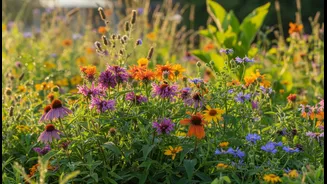
When you plant native species, you're doing more than just beautifying your space; you're creating a vital habitat. Native plants provide food and shelter for local wildlife, including birds, bees, and butterflies. The flowers of a Palash (Butea monosperma) or an Indian Laburnum (Cassia fistula) don't just look beautiful; they attract pollinators that are essential for a healthy environment. A garden filled with native plants becomes a living ecosystem, buzzing with activity and life. It's a small but powerful way to support local biodiversity right in your own backyard or balcony.
Getting Started on Your Native Garden
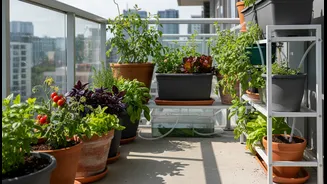
Starting your native garden journey is simple. First, understand your local conditions—how much sun does the area get? Is the soil sandy or clay-like? You don't need to transform your entire yard overnight. Begin by introducing a few native plants. A pot of Tulsi on the balcony, a Marigold patch, or a Hibiscus shrub in a sunny corner are all great starting points. Visit local nurseries and specifically ask for native plants; many are now grouping them together to meet growing demand. The key is to start small, observe how the plants adapt, and gradually build a garden that is not only beautiful and low-effort but also a true reflection of India's natural heritage.