

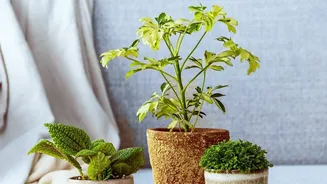
General Care During Monsoon
The Indian monsoon offers a unique environment for houseplants. The air is naturally humid, which many tropical plants love. However, the combination of moisture and lower light can also create challenges like root rot and fungal infections. The key is choosing
resilient plants and adjusting your care routine. Always check if the top inch or two of soil is dry before watering, as the damp air means pots stay moist for longer. Ensure your pots have excellent drainage and consider wiping leaves occasionally to keep them clean and pest-free. With the right approach, this season can be a major growth period for your indoor garden.
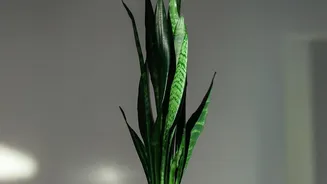
Snake Plant (Sansevieria trifasciata)
Often called 'mother-in-law's tongue', the Snake Plant is nearly indestructible, making it a perfect starting point for new plant parents. Its tall, architectural leaves are excellent at storing water, meaning it's incredibly tolerant of both neglect and the high humidity of the monsoon. In fact, some gardeners report that their snake plants thrive even when left out in the rain for months. During the rainy season, you'll need to water it even less than usual; letting the soil dry out completely is crucial to prevent root rot. This plant is also a fantastic air purifier, known to remove toxins from the air, which is a great bonus when windows are kept closed during downpours.
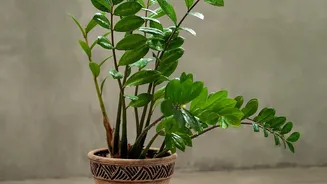
ZZ Plant (Zamioculcas zamiifolia)
The ZZ Plant is another hero of low-maintenance gardening. Its glossy, dark green leaves look perpetually polished and it is exceptionally drought-tolerant. While it can handle high humidity, good air circulation is beneficial. The primary danger for a ZZ plant during the monsoon is overwatering. Since the soil will take longer to dry, you should reduce your watering frequency significantly. It thrives in low to moderate indirect light, which is ideal for overcast monsoon days. For the best results, use a well-draining soil mix, similar to what you'd use for succulents, to ensure excess moisture can escape easily.
Money Plant (Epipremnum aureum)
No Indian home feels complete without a Money Plant, or Pothos. This versatile vining plant is perfectly suited for the monsoon season. The higher humidity actually encourages faster growth, resulting in lush, trailing stems that can brighten any corner. Money Plants are very forgiving and can thrive in a variety of light conditions, from bright indirect light to shadier spots. Like other plants on this list, the main caution during the rains is overwatering. Whether grown in soil or a simple jar of water, its heart-shaped leaves bring a touch of green and good fortune indoors.
Spider Plant (Chlorophytum comosum)
The Spider Plant is a classic for a reason. It’s incredibly easy to care for and visually rewarding, especially when it starts producing its signature 'spiderettes' or baby plants. These plants adapt well to the high humidity of the monsoon. They prefer their soil to be kept evenly moist but not waterlogged, so checking the soil's dryness before watering is important. They are not fussy about light and can do well in semi-shady spots, away from direct sun. Spider plants are also known for their air-purifying qualities, making them a healthy and attractive addition to your home during the rainy season.
Peace Lily (Spathiphyllum)
For a touch of elegance, the Peace Lily is an excellent choice. Its beautiful white blooms stand out against its dark green leaves. Peace Lilies thrive in the exact conditions the monsoon provides: high humidity and lower light levels. The extra moisture in the air helps keep its leaves vibrant and encourages blooming. This plant is also communicative; its leaves will droop noticeably when it's thirsty, taking the guesswork out of watering. It’s a powerful air purifier, known for removing common household toxins like acetone and benzene.