


Northern India: The Heartland of Vrat Cuisine
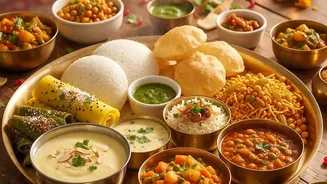
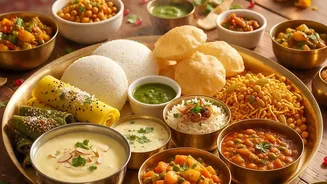
In North India, Navratri fasting is marked by a shift to specific 'vrat' ingredients. Grains like wheat and rice are replaced by alternatives such as buckwheat flour (kuttu ka atta), water chestnut flour (singhare ka atta), and barnyard millet (samak
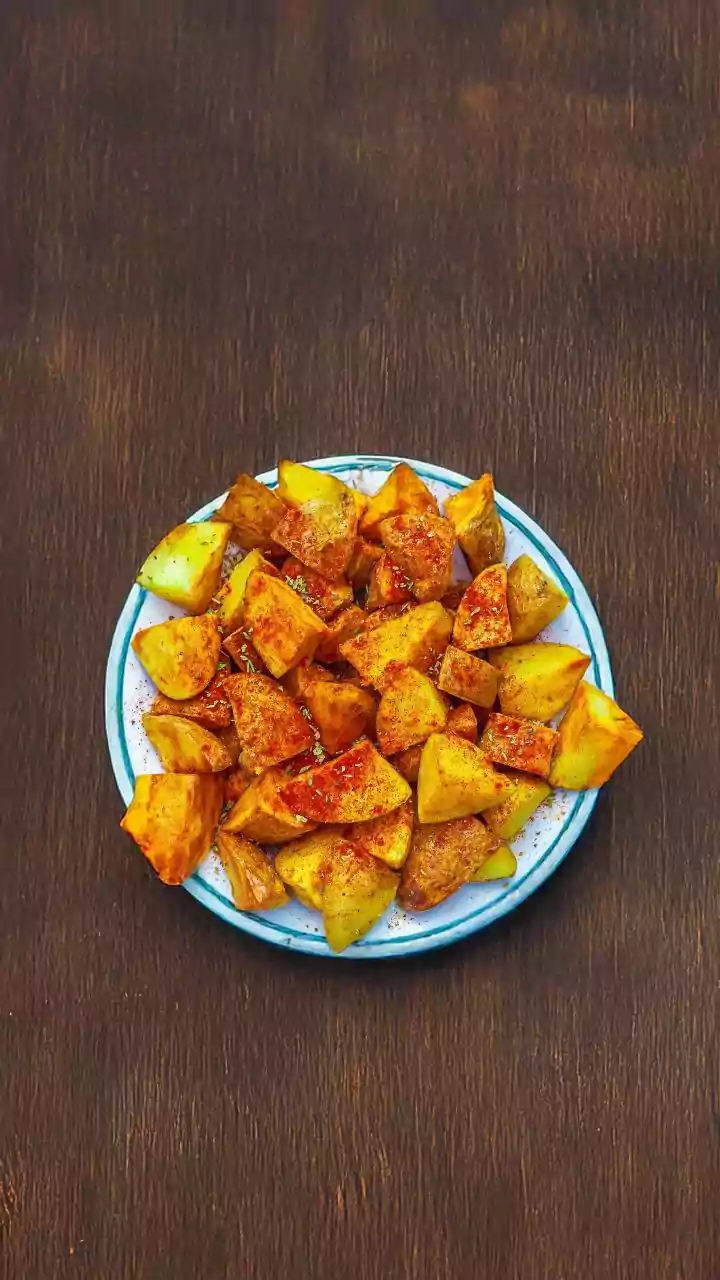
ke chawal). One of the most iconic preparations is Kuttu ki Poori, a deep-fried bread made from buckwheat flour, often paired with a simple yet flavourful potato curry, Vrat ke Aloo, cooked with tomatoes, cumin, and rock salt (sendha namak). Another beloved dish is Samvat Rice Khichdi, a light and nourishing meal made from barnyard millet and potatoes. For those with a sweet tooth, Singhare ka Halwa, a dense pudding from water chestnut flour, and Makhana Kheer, a creamy dessert made with fox nuts, milk, and nuts, are festive essentials.
Western India: The Comfort of Sabudana and Millets
In states like Maharashtra and Gujarat, Navratri fasting traditions are delicious and deeply ingrained. Sabudana (tapioca pearls) is the star ingredient, appearing in various forms. Sabudana Khichdi, a delightful mix of soaked sago, boiled potatoes, roasted peanuts, and green chillies, is a staple in almost every household. Another favourite is the Sabudana Vada, a crispy, deep-fried patty that is perfect as a snack. In Gujarat, dishes made from barnyard millet, known locally as 'moraiyo' or 'samo', are popular. A simple Samak Rice Pulao or a soft-cooked Moraiyo Khichdi is often served with a side of yoghurt or a buttermilk-based curry. Amaranth flour (rajgira) is also used to make puris and theplas, offering another grain-free option for a fulfilling meal.
Southern India: A Focus on Prasadam and Lightness
The approach to Navratri food in the southern states is distinct. While strict grain-free fasting is less common, the emphasis is on preparing 'prasadam' (offerings) without onion, garlic, or heavy spices. A highlight of the celebration is the preparation of different types of 'sundal' each day. Sundal is a simple and protein-rich dish made from legumes like chickpeas or peanuts, tempered with mustard seeds, curry leaves, and grated coconut. While some communities avoid lentils during the fast, many prepare sundal as a key offering. Sweets are integral, with Payasam being a popular choice. Variants include a simple rice kheer, Sabudana Payasam (Javvarisi Payasam), or Sweet Pongal, a dish made with rice, jaggery, and ghee, offered as a divine treat. Barnyard millet is also used to make fasting-friendly versions of idli and upma.
Eastern India: A Celebration of Durga Puja
In West Bengal and other eastern regions, Navratri coincides with Durga Puja, the biggest festival of the year. Here, the concept of fasting is quite different and is often replaced by feasting to celebrate the goddess. While many households in North India avoid non-vegetarian food, it is common in Bengali tradition to enjoy fish and mutton during Durga Puja, viewing it as a form of celebration. However, the 'bhog' or community feast served at puja pandals is typically vegetarian. This festive meal often includes Khichuri (a rich preparation of rice and lentils), Labra (a mixed vegetable dish), fried items, chutney, and Payesh (a rice kheer), creating a communal dining experience that is central to the celebrations.
The Unifying Ingredients
Despite the regional differences, a few key principles and ingredients unite the culinary landscape of Navratri fasting. The use of 'sendha namak' or rock salt instead of regular table salt is a near-universal rule. Root vegetables like potatoes, sweet potatoes, and taro root (arbi) form the base of many savoury dishes. Dairy products such as milk, yoghurt (curd), and paneer are widely consumed, providing essential protein and energy. Fruits and nuts are also a common source of nutrition during the fast. These shared elements, combined with unique regional preparations, paint a picture of a festival that is both deeply personal and universally celebrated through its diverse and delicious food traditions.