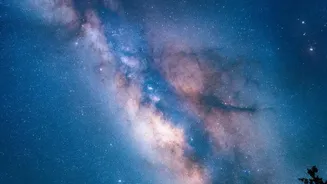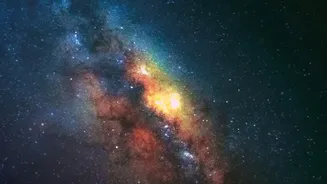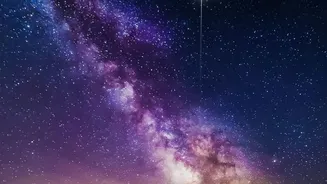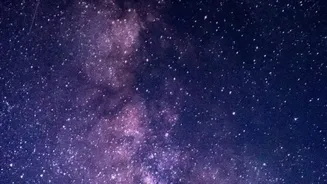

The Challenge of Tiny Lenses
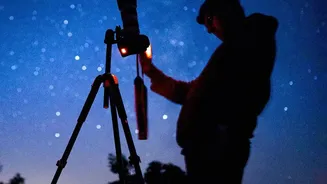
Photographing the night sky is incredibly difficult. Stars are faint, requiring long exposure times to gather enough light. Traditional cameras use large sensors and wide lenses, but smartphones have physical limitations. Their tiny sensors struggle in low
light, producing grainy “noise” that obscures detail. Furthermore, because the Earth rotates, long exposures can cause stars to appear as streaks instead of sharp points. For years, these limitations made true astrophotography on a phone seem impossible. The solution wasn't bigger hardware, but smarter software.
Computational Photography to the Rescue
Instead of relying on a single perfect shot, modern smartphones use a process called computational photography. This involves capturing a rapid burst of multiple images and then using powerful algorithms to combine and enhance them. This software-first approach overcomes the physical constraints of a small camera sensor. When you activate a feature like 'Night Mode' or a specific 'Astrophotography' mode, your phone is taking many photos in quick succession and working behind the scenes to build a final image that is far better than any single frame.
Stacking: More Frames, Less Noise
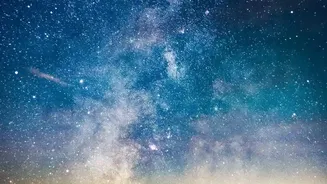
The core technique is called image stacking. Your phone takes several short-exposure shots, sometimes over several minutes in astrophotography mode. The software then intelligently aligns these images, ensuring the stars in each frame line up perfectly. Because digital noise is random in each shot, averaging these frames together effectively cancels it out, making the constant signal—the light from the stars—shine through more clearly. The result is a much cleaner, brighter, and more detailed image than a single long exposure could ever produce with a small sensor.
AI for Smart Adjustments
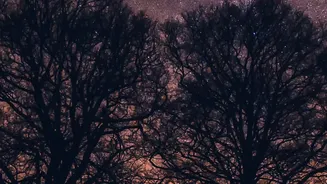
This is where Artificial Intelligence (AI) takes over to add the final polish. Modern smartphone processors include dedicated Neural Processing Units (NPUs) designed for AI tasks. One key process is 'semantic segmentation', where the AI identifies different parts of the image—like the sky, stars, trees, or buildings. By understanding what it's looking at, the phone can apply specific, targeted adjustments. It might increase the contrast and clarity of the stars while simultaneously reducing noise in the dark sky and preserving detail in the foreground, all within the same photo.
Correcting for Color and Movement
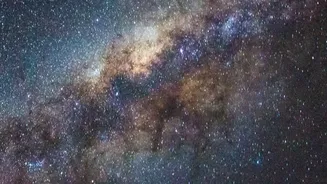
Astrophotography algorithms are also smart enough to account for the Earth's rotation during the multiple-second or even multiple-minute exposures. The alignment process ensures stars remain pinpoints. AI also plays a crucial role in color science. It analyzes the scene to correct for light pollution and atmospheric haze, ensuring the night sky doesn't have an unnatural orange or green tint. Some phones are even trained on thousands of professionally shot astrophotos to learn what a beautiful night sky image should look like, allowing them to make automated edits that enhance the final result.