


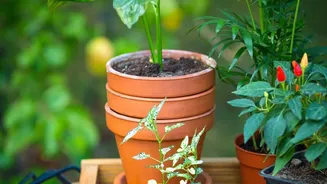
The Importance of Drainage
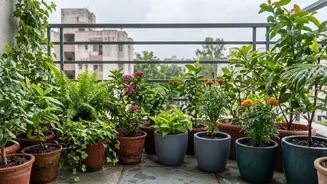
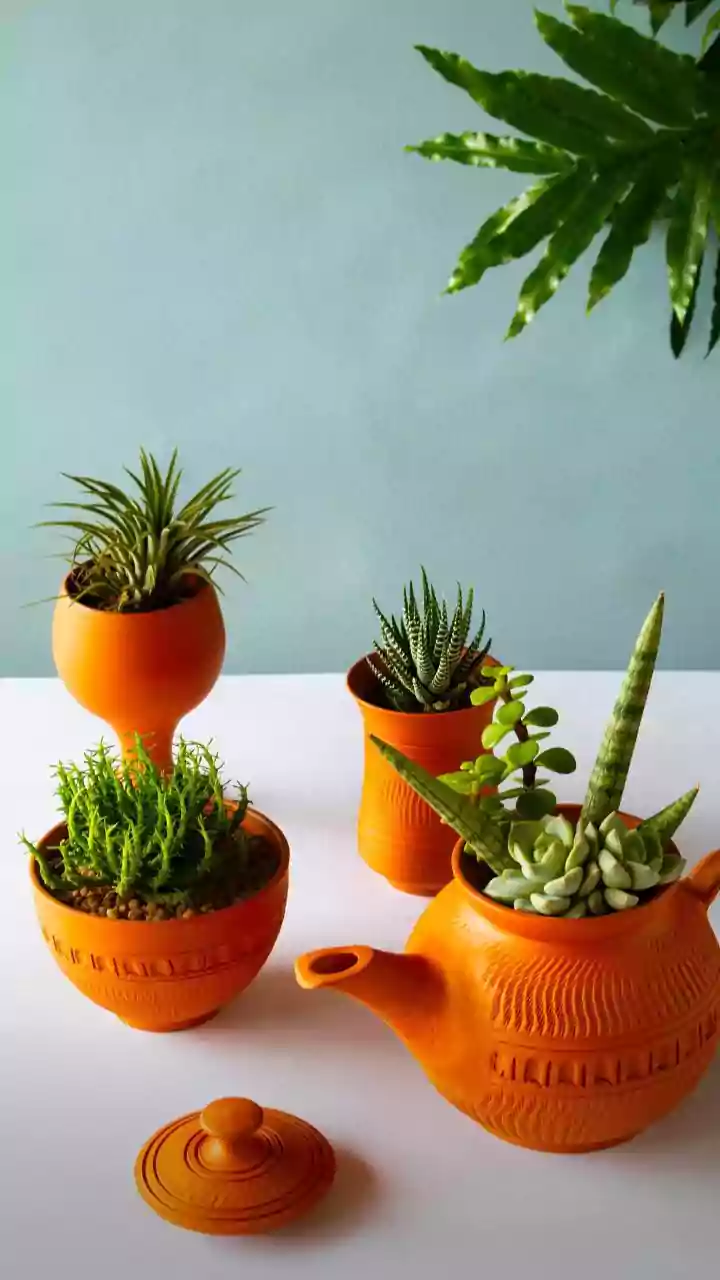
Before we get to the plants, a crucial point: drainage is everything. The paradox of monsoon gardening is that even plants that love humidity can hate sitting in stagnant water. Ensure your pots have drainage holes and use a well-draining soil mix. If
water still collects, consider elevating your pots on stands. This single step can make the difference between a thriving garden and a collection of rotting roots. Many common problems during the rainy season are not caused by the rain itself, but by the water having nowhere to go.
Marigold (Genda)
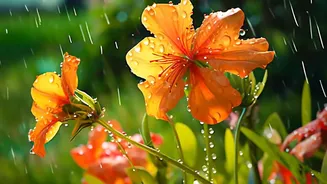
Arguably the most reliable flower for the Indian monsoon, the marigold is a cheerful and hardy choice. These vibrant orange and yellow flowers are incredibly resilient, recovering quickly from heavy downpours. They grow fast from seeds and start blooming within a couple of months, adding a burst of colour to your balcony or garden. Marigolds are not just beautiful; they are also known to deter common garden pests. For best results, plant them in a spot that receives several hours of sunlight and pinch off spent blooms to encourage new growth.
Hibiscus (Gudhal)
A staple in many Indian homes, the hibiscus shrub absolutely loves the conditions the monsoon brings. The increased nitrogen from rainwater and the high humidity encourage lush foliage and a profusion of its large, colourful flowers. While hibiscus enjoys moist soil, it's important that the soil is not perpetually waterlogged. It’s a perfect plant for a larger pot on a terrace or as a feature in a ground-level garden, thriving in the warm, wet weather and rewarding you with daily blooms.
Peace Lily (Spathiphyllum)
If you're looking for an indoor plant that can handle the monsoon's high humidity, the Peace Lily is an excellent option. These plants are known for their elegant white spathes and glossy dark green leaves. They prefer indirect light, making them ideal for shaded balconies or indoor spaces that might get less sun during the cloudy days of the monsoon. Peace Lilies thrive in consistently moist soil and the ambient humidity means you’ll have to water them far less frequently than in the dry summer months. They are also fantastic air purifiers.
Zinnia
Like marigolds, zinnias are tough, fast-growing annuals that offer a spectacular display of colour throughout the rainy season. They are known to tolerate wet soil and high humidity better than many other flowering plants. Available in a rainbow of colours, from fiery reds and pinks to bright yellows, zinnias can brighten up even the greyest monsoon day. They grow well from seed and require a spot with good sunlight. Their ability to handle heavy rainfall without deteriorating makes them a fantastic, low-effort choice for a vibrant monsoon garden.
Ferns
Ferns are the quintessential plants for humid, shady environments, making them a natural fit for the monsoon. They love the moisture in the air and thrive in the indirect light that is common during the rainy season. Whether you choose a classic Boston fern for a hanging basket or a compact variety for a pot, they add a touch of lush, deep greenery to your space. Place them in a sheltered spot on your balcony or indoors where they are protected from the direct force of heavy rain but can still benefit from the humid atmosphere.
Snake Plant (Sansevieria)
For the ultimate low-maintenance option, look no further than the Snake Plant. This plant is famously tolerant of a wide range of conditions, including the fluctuating moisture levels of the monsoon. While it's known for its drought tolerance, it also handles the high humidity of the rainy season with ease, provided it's in well-draining soil. Its upright, architectural leaves make it a modern and stylish addition to any indoor space. As a bonus, it's one of the best air-purifying plants you can own.