
The Desert State in Bloom
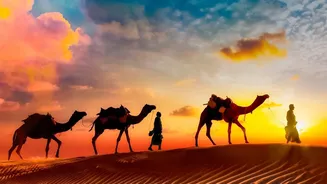
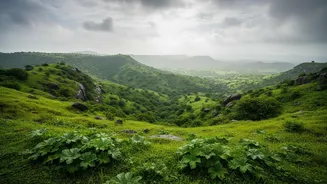
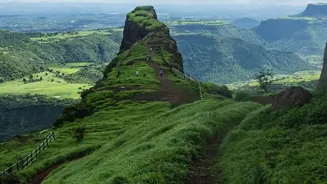
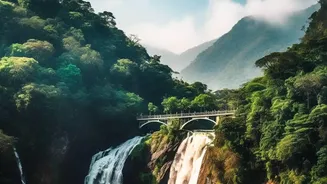
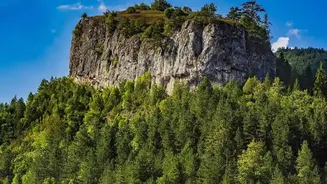
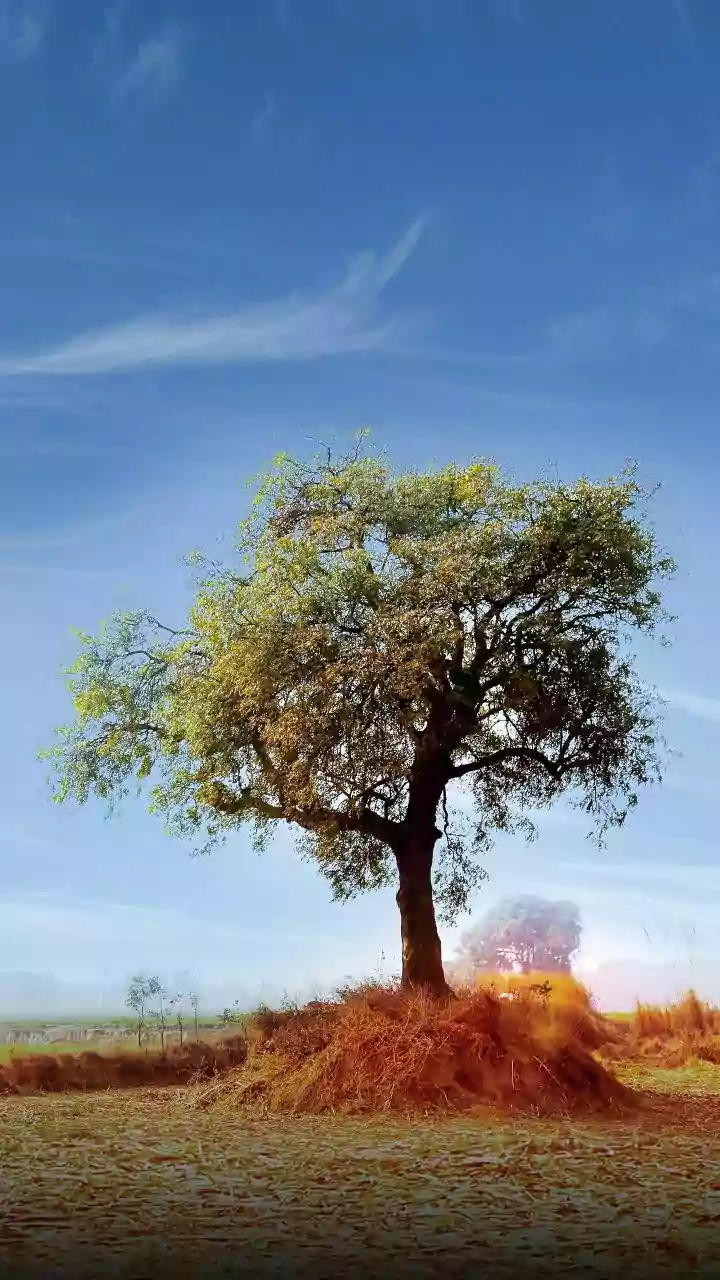
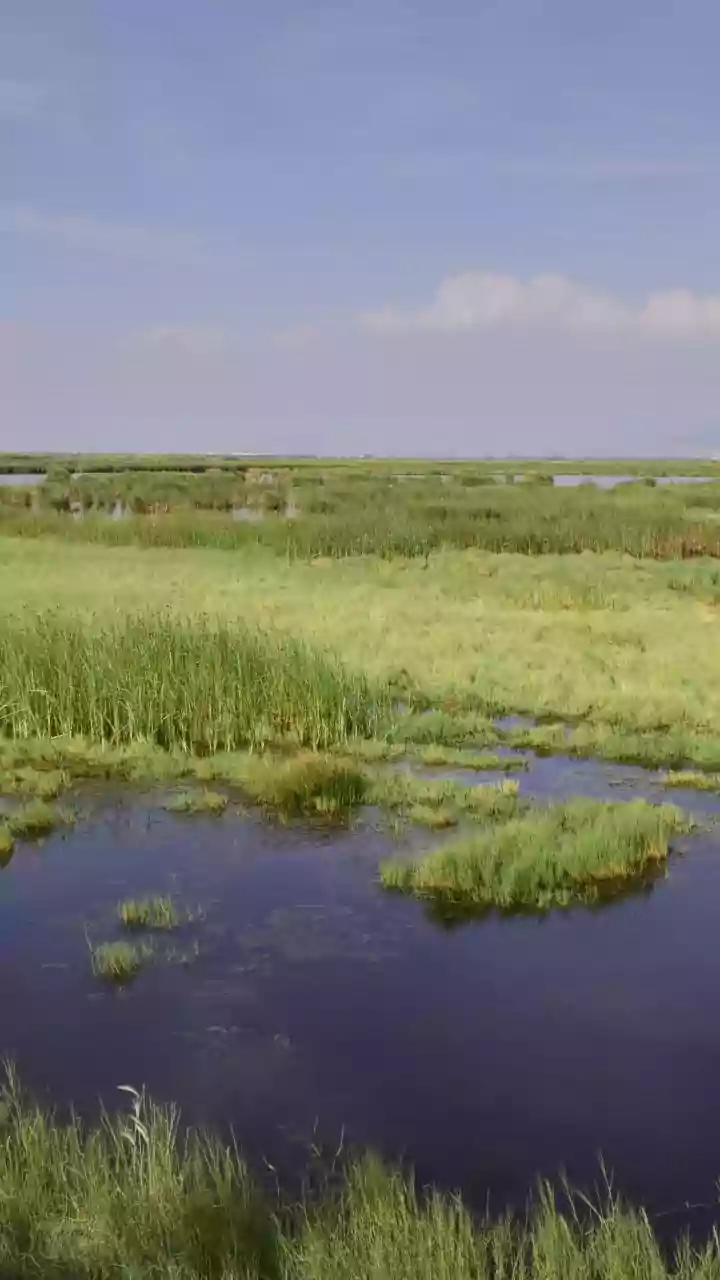
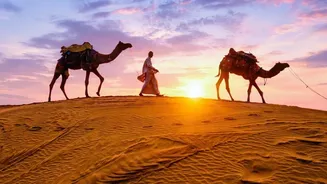
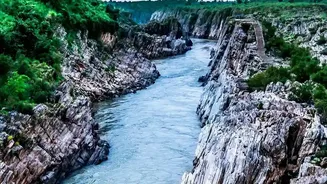
When you think of Rajasthan, you likely picture golden sand dunes and formidable forts shimmering under a hot sun. But from July to September, the state undergoes a breathtaking transformation. The arid landscape, particularly along the Aravalli range,
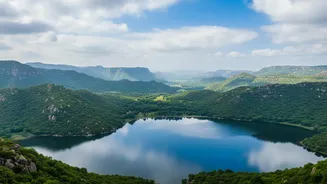
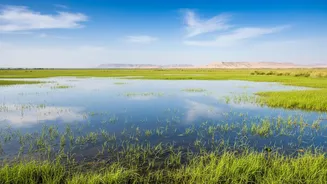
sheds its dusty brown coat for a carpet of vibrant green. After months of scorching heat, the monsoon rains bring a refreshing coolness to the air, filling the region's famous lakes and reviving its forests. This seasonal makeover is at the heart of the current travel trend, as visitors seek out the poetic, rain-washed beauty of a region often defined by its dryness. The contrast is stark and magical, turning familiar vistas into something new and enchanting.
A Surge in Monsoon Bookings
Travel trends for 2026 point to a significant shift, with tourists actively planning trips to coincide with the rains. According to travel experts, this boom in 'green tourism' has provided a major boost to the hospitality industry across the state. Cities like Udaipur, in particular, are seeing a notable influx of visitors drawn by the allure of its full, glistening lakes and misty palaces. Luxury hotels and resorts are reporting increased interest, with many offering special monsoon packages to cater to this growing demand. This surge isn't just about last-minute getaways; data shows that travellers are booking in advance for the long weekend in August, cementing monsoon as a new peak season for the state.
Udaipur and the Green Belt
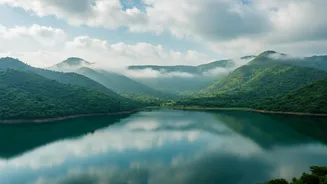
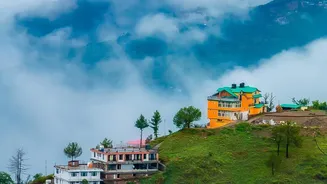
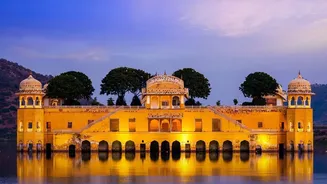
The epicentre of this monsoon phenomenon is southern Rajasthan. While western parts like Jaisalmer remain largely arid, the Aravalli belt comes alive. Udaipur, the 'City of Lakes', is the star attraction, where Lake Pichola and Fateh Sagar Lake fill to the brim, creating stunning reflections of the surrounding palaces and hills. The Sajjangarh Monsoon Palace, true to its name, offers spectacular views of the rain-washed landscape. Beyond Udaipur, destinations like Mount Abu, Rajasthan's only hill station, become misty green retreats. Other areas gaining popularity include Kumbhalgarh, with its magnificent fort wrapped in clouds, and the Hadoti region, encompassing Bundi and Kota, known for its stepwells and rejuvenated waterfalls.
The Evolving Indian Traveller
This trend is about more than just pretty scenery; it reflects a deeper change in how Indians travel. There's a clear move away from conventional, peak-season tourism towards more experiential journeys. Travellers are increasingly seeking unique, seasonal moments over ticking off a checklist of sights. According to a recent report on travel trends, people are choosing destinations that align with personal interests, and the unique experience of a green Rajasthan fits this perfectly. The rise of social media has also played a role, with captivating images of the state's monsoon beauty inspiring others to explore this lesser-known side of Rajasthan. This shift suggests a more mature travel audience looking for authentic and immersive experiences, rather than just the most popular ones.
Smarter Travel, Better Deals
Beyond the aesthetic appeal, travelling to Rajasthan during the monsoon has practical advantages. The season is traditionally considered off-peak, meaning fewer crowds at major attractions like the forts and palaces in Jaipur and Udaipur. This allows for a more relaxed and intimate exploration of otherwise bustling sites. Furthermore, the quieter season translates into significant savings. Many hotels, including luxury and heritage properties, offer discounts of 30-50% compared to the peak winter months. The pleasant weather, with cooler temperatures than the preceding summer, makes sightseeing far more comfortable and enjoyable. It’s a combination of value, comfort, and unique beauty that is proving irresistible.