



Redefine Clutter, Redefine Home
The first step is to shift your mindset. Clutter isn't just 'stuff'; it’s items that don't serve a purpose or bring you joy. A home filled with personal treasures, travel souvenirs, and family heirlooms is not inherently cluttered. The difference lies
in intention. If every object has a story and a reason for being there, it’s not clutter—it's a collection that tells the tale of who you are. The goal is not to live in a sterile, minimalist box, but to create a space that feels both personal and serene. True clutter is the pile of unopened mail, the clothes that don't fit, and the impulse buys you instantly regretted. The meaningful objects that connect you to your past and your passions are something else entirely: they are the soul of your home.
The Art of Intentional Curation
Once you've separated meaningful treasures from genuine clutter, the next step is curation. Think of your home as a personal gallery. Not every piece of art a gallery owns is on display at once, and yours doesn't have to be either. Choose the items that resonate with you most right now. This is not about getting rid of things you love, but about selecting the best of the best for display. Consider creating a 'memory box' for items that are deeply sentimental but don't fit your current decor. You can rotate items seasonally or whenever the mood strikes, which keeps your space feeling fresh and allows you to appreciate each object anew. This practice turns your home into a dynamic, evolving reflection of your life.
Create Vignettes That Tell a Story
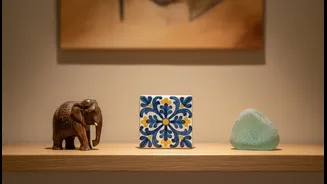
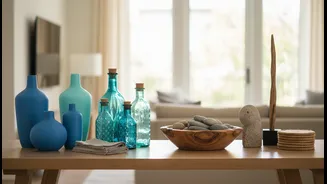
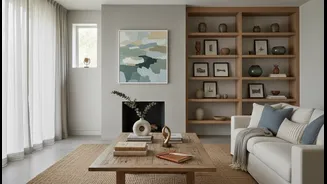
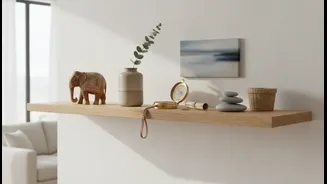
Instead of scattering your favorite objects around the house, group them together in thoughtful arrangements called vignettes. This is where you become a storyteller. On a bookshelf, console table, or mantelpiece, combine items of different heights, textures, and shapes to create a small, contained scene. For example, a stack of vintage books, a framed photo, and a small plant can create a beautiful and personal moment. Grouping items makes them look purposeful and intentional, rather than like random clutter. These curated displays draw the eye and invite curiosity, turning a simple surface into a point of interest.
Embrace Negative Space
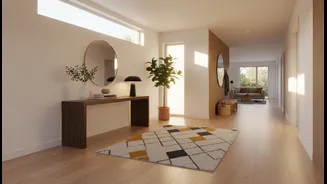
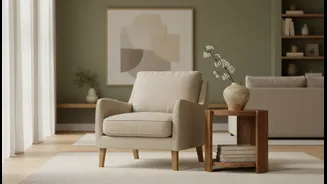
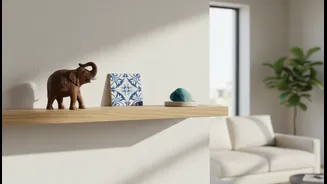
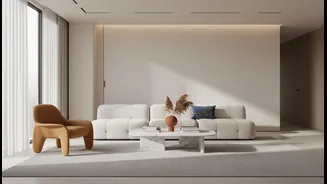
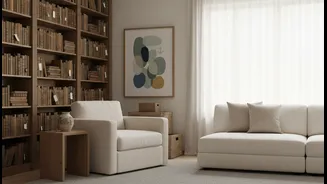
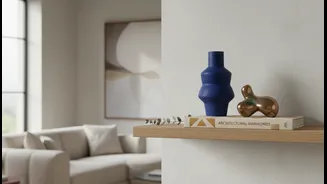
One of the most important principles in both art and design is the use of negative space—the empty areas around and between objects. A cherished vase or sculpture loses its impact if it's crammed onto a shelf with a dozen other things. To make your stories stand out, you must give them breathing room. This doesn't mean having empty walls or surfaces, but rather being strategic about placement. By leaving some space around your curated vignettes and statement pieces, you allow them to shine. This balance between objects and openness is the secret to a space that feels both full of personality and peacefully calm. A clean, neutral backdrop can be the perfect canvas for showcasing more colourful and eclectic items.
Make Your Memories Functional
Not all sentimental items need to be purely decorative. One of the best ways to honor a meaningful object is to incorporate it into your daily life. That set of beautiful china you inherited from your grandmother? Don't hide it in a cabinet; use it for special meals. The sturdy wooden chair from your childhood home? Give it a fresh coat of paint and use it at your desk. When an object with a story becomes part of your routine, it enriches your daily experience and deepens your connection to the memory it holds. This approach, sometimes called functional nostalgia, prevents items from becoming stagnant dust collectors and instead weaves them into the living fabric of your home.