


The Anatomy of a Balanced Plate
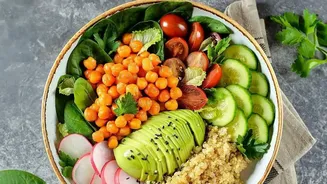
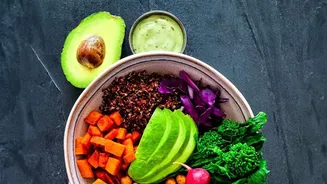
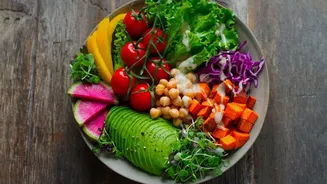
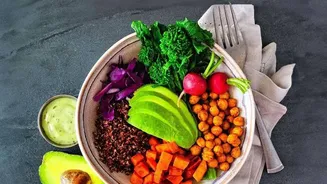
A well-rounded plant-based plate isn't just about avoiding animal products; it's about intentionally including the right components to fuel your body. Nutrition experts suggest a simple formula: about half your plate should be fruits and vegetables, a quarter
should be plant-based protein, and the final quarter should be whole grains or starchy carbohydrates. Healthy fats are also a crucial addition. This combination ensures you get a wide spectrum of macronutrients (protein, carbs, fats) and micronutrients (vitamins, minerals) that are essential for energy, tissue repair, and overall health. The goal is to create a meal that is both nourishing and satisfying.
The Protein Power of Chickpeas
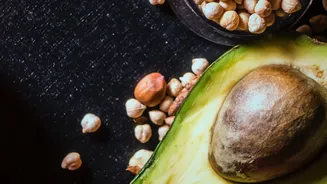
For any balanced meal, a solid protein source is the anchor, and chickpeas are a fantastic plant-based option. Protein is vital for building and repairing tissues, supporting immune function, and promoting a feeling of fullness after eating. A single cup of cooked chickpeas provides a significant amount of your daily protein needs. But their benefits don't stop there. Chickpeas are also packed with dietary fiber, which aids digestion, helps regulate blood sugar, and supports a healthy gut microbiome. Furthermore, they are a good source of essential minerals like iron and calcium, which are important to be mindful of on a vegan diet.
Avocado for Healthy Fats and Creaminess
The next key component is healthy fat, and avocados are a powerhouse in this category. They are rich in monounsaturated fats, the same heart-healthy fats found in olive oil. These fats can help lower 'bad' LDL cholesterol while supporting overall cardiovascular health. Beyond their nutritional profile, avocados bring a satisfying creaminess and richness to meals, which increases satiety and makes food more enjoyable. They also provide fiber, potassium, and vitamins like E and K. Including a source of healthy fat like avocado is crucial for brain health and helps your body absorb fat-soluble vitamins from the other vegetables on your plate.
Bringing It All Together: A Simple, Versatile Meal
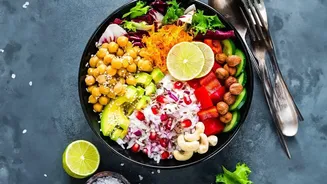
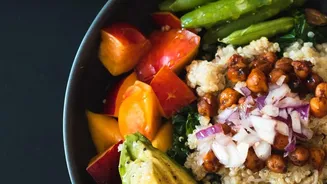
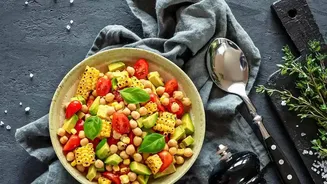
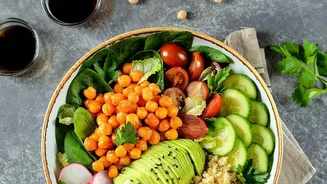
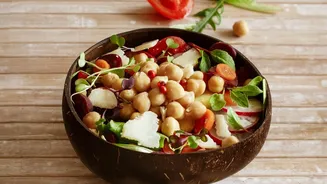
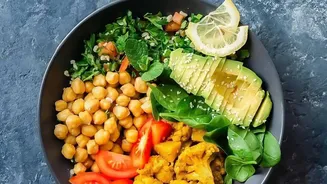
The magic happens when you combine these two ingredients. A simple and popular preparation involves mashing chickpeas and avocado together with a splash of lemon juice and some seasoning. This can be spread on whole_grain toast, scooped into a wrap, or served as a salad on a bed of leafy greens. For a more complete meal, toss whole chickpeas and diced avocado with cherry tomatoes, cucumber, and red onion for a fresh Mediterranean_style salad. The variations are endless: add cumin and chili powder for a spicy kick, or fresh herbs like cilantro and parsley for a brighter flavour. This combination is not just a single recipe but a versatile base for countless quick and easy meals.
Completing the Plate and Building on the Blueprint
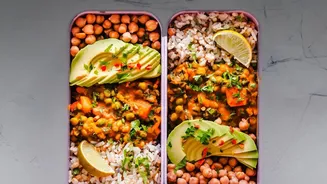
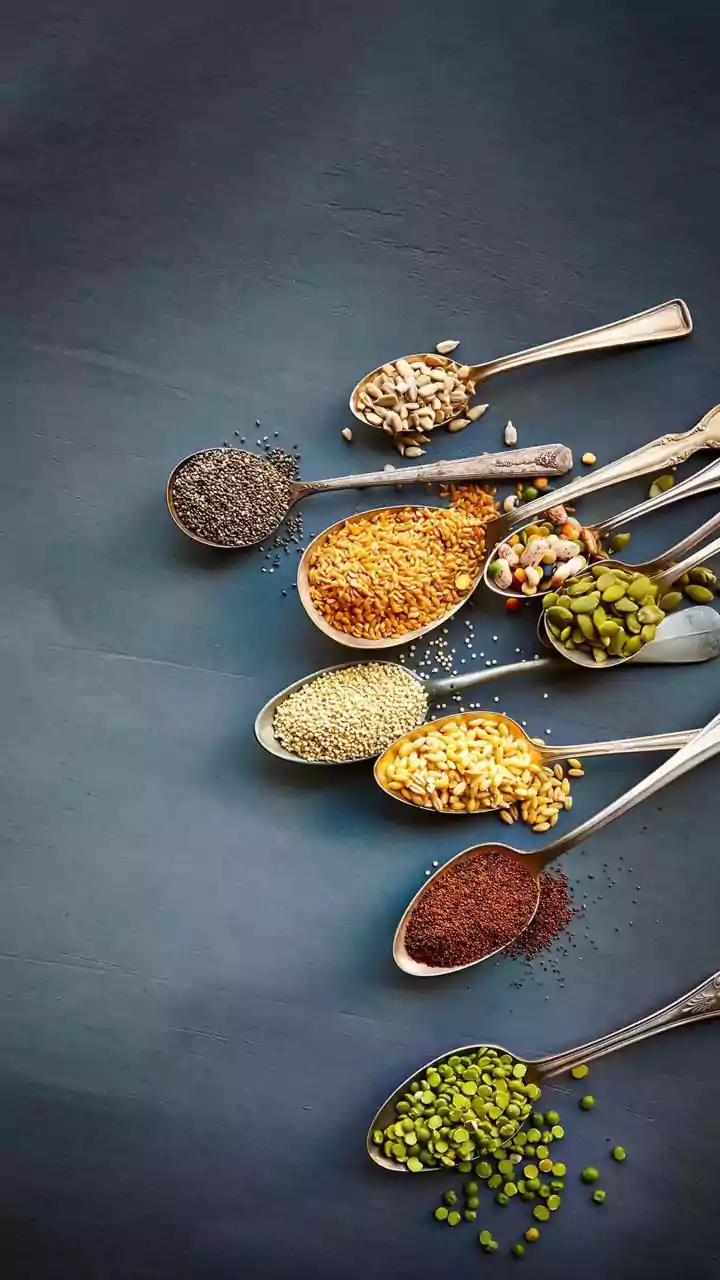
While chickpeas and avocado provide protein and fat, remember the balanced plate formula. To complete the meal, ensure you have whole grains and plenty of vegetables. Serving a chickpea_avocado mash on whole_wheat bread or with a side of quinoa fulfills the grain component. Adding a large handful of spinach, bell peppers, or broccoli covers the vegetable portion, boosting your intake of vitamins, minerals, and antioxidants. You can use this core concept as a blueprint for other meals. Swap chickpeas for lentils or black beans. Replace avocado with a drizzle of tahini or a sprinkle of nuts and seeds for your healthy fat. By understanding the roles of protein, fat, carbohydrates, and vegetables, you can easily create an endless variety of balanced and delicious plant_based dishes.