




The Anatomy of Desk-Induced Pain
Hours spent hunched over a computer or looking down at a phone can lead to a condition commonly known as "tech neck" or forward head posture. When your head juts forward from its natural alignment over your shoulders, it places an immense strain on the
muscles in your neck and upper back. For every inch your head moves forward, the effective weight on your spine can increase by roughly 4.5 kilograms. This forces the muscles at the back of your neck to work overtime just to hold your head up. This constant muscular tension can restrict blood flow, irritate nerves, and radiate pain upwards, manifesting as the classic band of pressure around the head known as a tension headache.
What Is Isometric Training?
Isometric exercises are a form of strength training where you contract a muscle without any visible movement in the joint. Think of pushing against an immovable wall—your muscles are firing and working hard, but your arm isn't moving. This principle is perfectly suited for strengthening the delicate muscles of the neck. It allows you to target and strengthen the deep stabilizing muscles that are crucial for maintaining good posture, without the risk of injury that can come from dynamic, high-motion exercises. The goal is to build endurance and stability, helping your neck better support the weight of your head throughout the day.
The Four-Direction Isometric Neck Routine
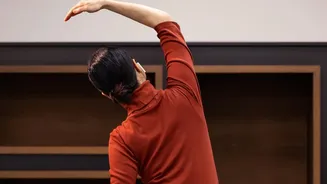
You can perform this simple routine sitting upright in your office chair. The key is to be gentle. The goal is a light to moderate muscle contraction, not a high-intensity strain. For each exercise, aim for a hold of 10-15 seconds and repeat 3-5 times. 1. Forward Press: Place your palm or interlaced fingers on your forehead. Gently press your head forward as if you're trying to touch your chin to your chest, but use your hand to provide equal and opposite resistance, preventing any movement. 2. Backward Press: Clasp your hands behind your head. Gently press your head backward into your hands, while your hands resist the motion. Keep your chin level and don't let your head tilt up. 3. Right Side Press: Place your right palm on the right side of your head, just above your ear. Gently press your head toward your right shoulder, using your hand to resist the movement completely. 4. Left Side Press: Place your left palm on the left side of your head and repeat the process, gently pressing your head to the left while your hand provides resistance.
Integrating Into Your Workday
The effectiveness of these exercises lies in consistency, not intensity. A single session won't undo years of poor posture. Aim to perform this short routine one or two times throughout your workday. You can set a recurring calendar reminder or tie the habit to an existing part of your day, such as right after lunch or before you log off. Breaking up long periods of sitting is also crucial. Taking short breaks to stand, stretch, and perform these exercises can significantly reduce muscle tension and prevent headaches before they start.
Beyond Exercises: A Holistic Approach
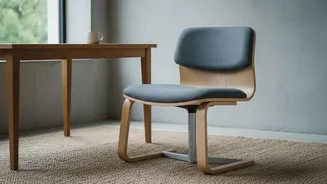
While isometric exercises are a powerful tool, they work best as part of a broader strategy for better posture. Pay attention to your office ergonomics. Ensure your monitor is at eye level to prevent you from looking down, and your chair provides adequate lumbar support. Your feet should be flat on the floor with your knees at a 90-degree angle. Simple adjustments can make it easier for your body to maintain a healthy posture naturally, reducing the strain on your neck and making your strengthening exercises even more effective.