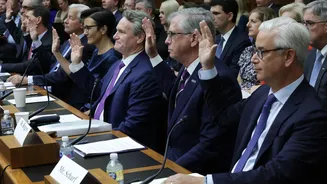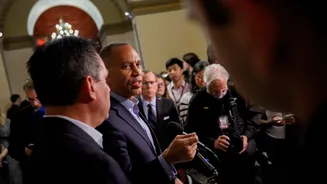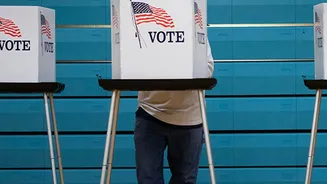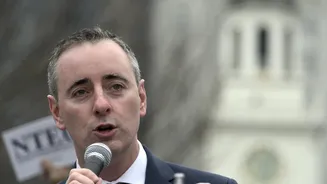







The votes from the 2026 midterm elections are in, and Washington is adjusting to a new reality. Democrats have taken control of both the House and Senate, setting up a divided government for the final two years of a Republican presidency.
A New Balance of Power
In a significant
shift, the November 2026 midterm elections handed control of both chambers of Congress to the Democratic party. Before the election, Republicans held majorities in both the House and the Senate. The decisive results were seen by many as a rebuke of the sitting Republican administration's policies on everything from the economy to foreign affairs. This creates a divided government, where the party in control of the White House is different from the party controlling Congress. While the President retains significant powers, including the ability to veto legislation, Democrats will now chair all congressional committees, control the legislative agenda, and hold the federal purse strings. This new dynamic completely changes the landscape for fiscal negotiations moving forward.
The Debt Ceiling Showdown
One of the most immediate and high-stakes challenges will be the need to raise the federal debt ceiling. The debt limit, which currently stands at $41.1 trillion, is the total amount of money the government is authorized to borrow to meet its existing legal obligations. Projections indicate that this limit will be reached sometime in 2027, with estimates ranging from late winter to mid-summer. Once the limit is hit, the Treasury Department can use 'extraordinary measures' to pay the bills for a few more months. However, failure to raise the ceiling before those measures are exhausted would lead to a default, an unprecedented event with potentially catastrophic economic consequences. With Democrats controlling Congress, they could use the must-pass debt limit legislation as leverage to advance their own policy priorities or block Republican-led initiatives. These high-stakes negotiations could lead to market volatility and brinkmanship as the deadline approaches.
Government Funding and Shutdown Risks
Another critical area of negotiation is annual government funding. To avoid a government shutdown, Congress must pass appropriations bills that the president will sign. With divided government, the risk of a shutdown increases. Democratic majorities in the House and Senate will now draft the initial spending bills, giving them the power to set funding levels for federal agencies and programs. Their priorities are likely to clash with those outlined in the President's FY 2027 budget proposal, which included cuts to non-defense discretionary spending and the elimination of various social programs. Democrats may seek to reverse planned spending cuts on programs like Medicaid and the Supplemental Nutrition Assistance Program (SNAP). If the two sides cannot agree on spending levels, it could lead to a government shutdown, where non-essential federal services are halted until a deal is reached.
The Future of Tax and Spending Policy
Beyond immediate deadlines, the shift in control will impact broader tax and spending debates. The Republican administration's agenda, which may include further tax cuts, will now face a Democratic-controlled Congress that is unlikely to approve such measures. Instead, Democratic leaders have signaled they will focus on affordability and may push for increased spending on healthcare and non-defense priorities. However, enacting major new spending programs or tax increases will be difficult, as Democrats do not have a large enough majority to override a presidential veto. The most likely outcome is a period of legislative gridlock, where major, transformative fiscal policy is off the table. Instead, negotiations will likely focus on more incremental changes and compromises tied to the must-pass debt ceiling and funding bills.