



An Unwelcome Guest at the Feast
Across India, as families prepare for the festive season, they are encountering an unwelcome guest in their kitchens: inflation. The prices of essential ingredients for traditional festive dishes have seen a significant increase. Key items such as ghee,
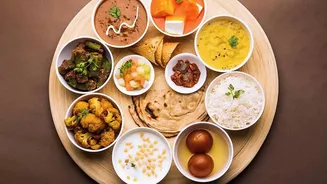
sugar, dry fruits, and even certain flours have become more expensive. Ghee prices have seen a notable year-on-year increase, with wholesale price inflation for the dairy product running high. Similarly, sugar prices have surged, with some reports noting a nearly 30% year-on-year jump in September. This price pressure is being felt acutely as households begin planning for major festivals like Diwali, where sweets and elaborate meals are central to the celebration. Families are now faced with the challenge of preparing cherished dishes like laddoos, barfis, and rich curries while navigating a much tighter budget.
The Reasons Behind the Rise
Several factors are contributing to this surge in kitchen expenses. Overall food inflation has been a persistent issue, with the wholesale price index showing a significant jump. Uneven monsoon patterns have threatened farm output for crucial crops, affecting supply. Beyond domestic factors, global issues such as supply chain disruptions and higher fuel costs also play a role, making transportation and production more expensive. For instance, even though some dry fruits like raisins have seen only moderate inflation, the overall category, including almonds and cashews, has become much costlier for importers and, ultimately, for consumers. This combination of local and global pressures means the cost of putting together a festive platter is higher than in previous years.
Clever Swaps for Sweet Treats
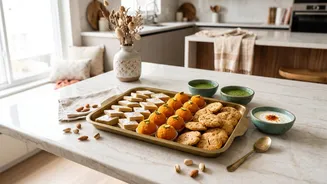
Sweets are the heart of Indian festivals, but they often rely on the most expensive ingredients. To manage costs, consider strategic substitutions. Instead of relying solely on sugar, which has seen steep price hikes, explore jaggery. It adds a unique, earthy flavour and is sometimes more affordable. For sweets that demand large quantities of nuts, like badam barfi, consider shifting focus to recipes where nuts are more of a garnish than the main ingredient. Besan laddoo, for example, is primarily made from gram flour and ghee and requires fewer nuts. Another strategy is to make sweets that use milk powder, condensed milk, or paneer as a base, which can be more economical than those requiring large amounts of mawa or nuts. Reducing the quantity of dry fruits used for decoration can also make a difference without compromising the taste.
Rethinking Rich and Savoury Dishes
For savoury festive meals, similar smart choices can be made. If the cost of certain vegetables like onions and garlic is high, you can explore recipes from cuisines that traditionally use alternatives. For sourness, instead of relying only on tomatoes, whose prices can be volatile, traditional souring agents like tamarind, kokum, or even raw mango (amchur) can be used to create delicious gravies. To make dishes feel rich and celebratory without overuse of expensive nuts for pastes, consider using roasted peanuts or melon seeds (magaz). These can create a thick, creamy base for curries at a fraction of the cost of cashews or almonds. Bulking up dishes with seasonal vegetables is another effective way to extend a recipe while adding nutritional value and flavour.
Embrace the Spirit of Sharing
One of the most effective ways to combat rising costs is to share the load. The tradition of exchanging sweets and snacks with neighbours and family can be extended into a modern potluck-style celebration. Instead of one household bearing the financial burden of preparing a dozen different dishes, each family can contribute one or two specialities. This not only eases the financial strain but also enriches the celebration with a wider variety of food and strengthens community bonds. A shared meal reduces individual costs for ingredients and cooking fuel, making the festive gathering more manageable for everyone involved. It turns the economic challenge into an opportunity for collective joy and collaboration.