



The Crowded and Costly Skies
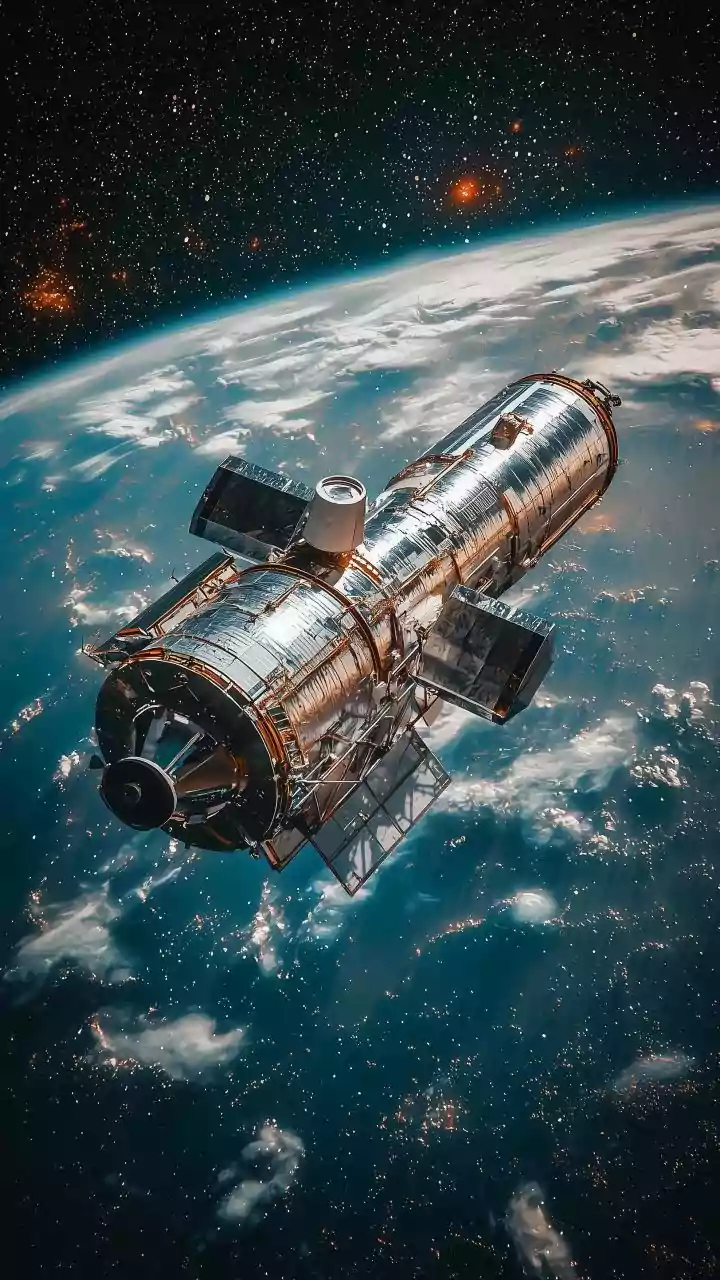
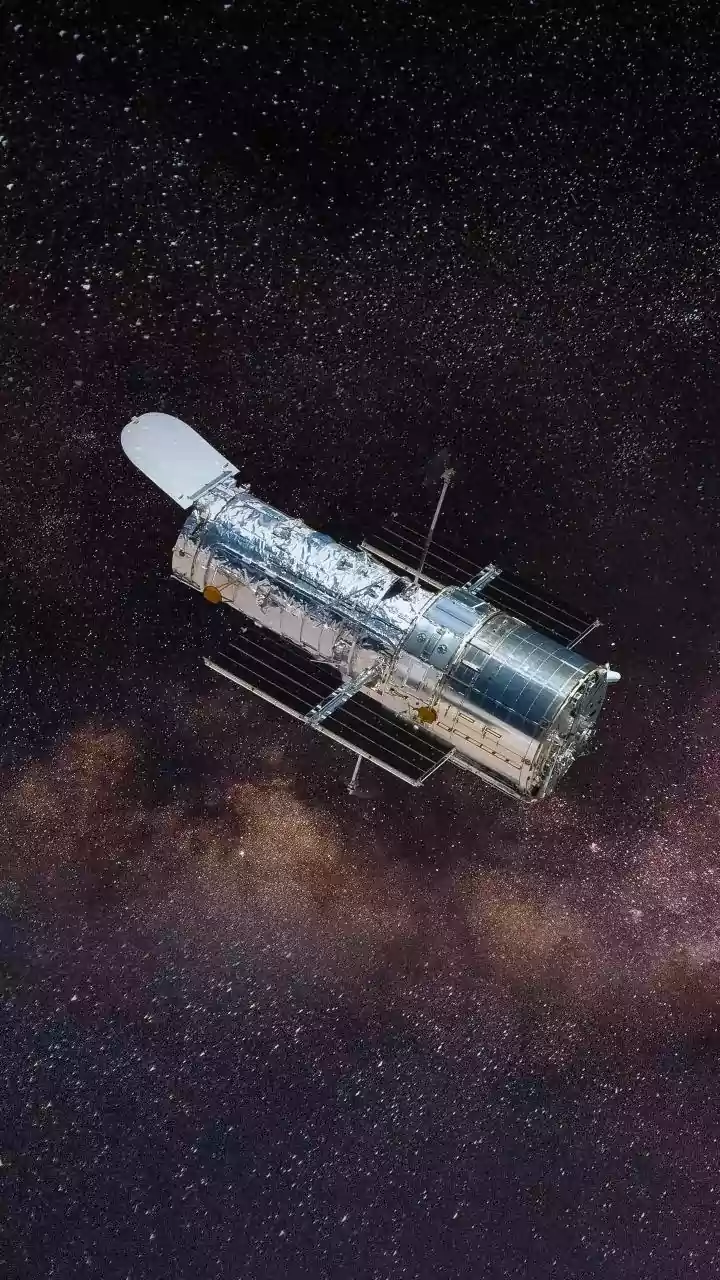
The space above Earth is getting crowded. Thousands of satellites, from massive telecommunication hubs in geostationary orbit to swarms of small observation craft in low Earth orbit, form the backbone of our modern world. They power GPS, broadcast media,
provide internet, and monitor our planet. But every satellite has a limited lifespan. Often, the only thing that renders a multi-million dollar satellite useless is an empty fuel tank. Historically, that meant becoming a piece of high-speed junk. This has created two major problems: a growing threat from space debris and the enormous cost of replacing otherwise functional hardware. This expensive, one-way approach to space infrastructure is becoming unsustainable, creating a clear and urgent demand for a new solution.
A Mechanic for the Heavens
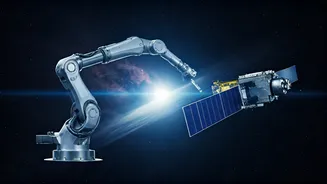
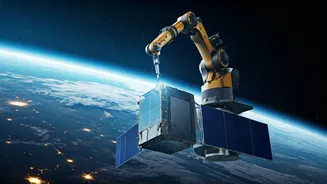
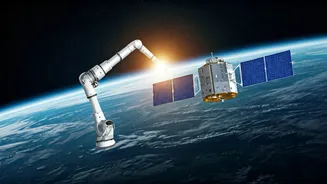
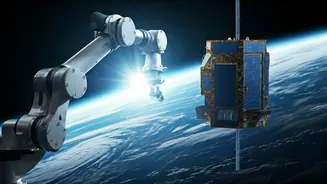
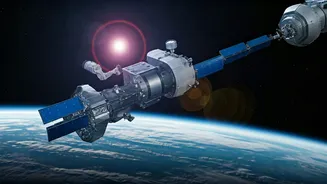
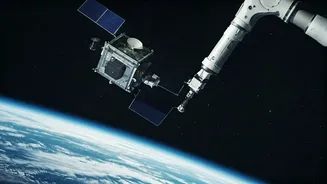
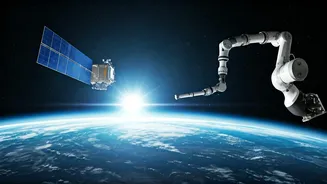
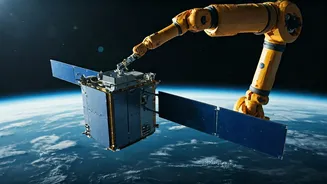
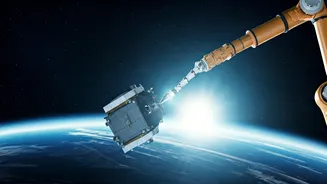
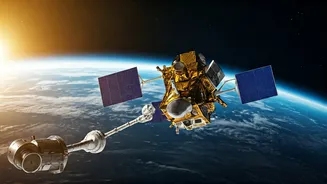
This is where On-orbit Servicing, Assembly, and Manufacturing (OSAM) comes in. Think of it as roadside assistance for space. This burgeoning industry is developing robotic spacecraft capable of performing complex tasks on other satellites. The most immediate application is life extension. Companies like Northrop Grumman have pioneered this with their Mission Extension Vehicle (MEV). The MEV can dock with a client satellite that is low on fuel and use its own thrusters to provide propulsion and attitude control, effectively giving the older satellite a new lease on life for several years. The successful missions of MEV-1 and MEV-2, which have provided years of extended service to Intelsat satellites, have proven that the concept is not just possible, but commercially viable.
Pioneers of the New Space Economy
Northrop Grumman is a major player, but they are far from alone. The in-orbit servicing market is projected to be worth billions, attracting a host of companies and government agencies. Japan's Astroscale is a leader in the crucial area of debris removal. Its missions are designed to demonstrate the ability to locate, rendezvous with, and safely deorbit defunct satellites and other large pieces of space junk. For instance, its ELSA-M mission, slated for a 2026 launch, aims to remove a dead satellite from a busy orbit, showcasing a vital 'cleaning' service. Government agencies like NASA and DARPA are also heavily invested, not just as potential customers but as key technology developers, fostering an entire ecosystem of innovation. Just recently, NASA partnered with Katalyst Space and Northrop Grumman to launch a robotic servicer to boost the Neil Gehrels Swift Observatory, saving the valuable 1.5-ton satellite from falling out of orbit.
Beyond Repairs: Building in Space
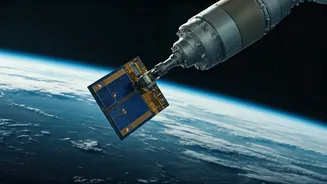
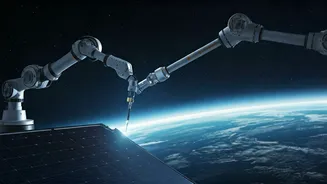
Extending a satellite's life is just the beginning. The 'Assembly and Manufacturing' part of OSAM points to an even more transformative future. Instead of launching massive, folded-up structures that must survive the violent vibrations of a rocket launch, companies are developing ways to 3D print or assemble components directly in space. This could allow for the construction of enormous telescopes with unprecedented power, sprawling solar power stations, or large habitats for future space exploration. NASA's OSAM-2 mission, for example, is designed to demonstrate the feasibility of 3D printing a functional solar array in orbit. By removing the size constraints of a rocket's payload fairing, we can build things in space that are simply impossible to launch from Earth.
A Sustainable and Ambitious Future
The move from disposable to serviceable, repairable, and reusable space assets marks a fundamental shift in our relationship with space. It's not just about saving money or cleaning up our orbital backyard, though those are crucial benefits. This new paradigm makes space operations more sustainable, resilient, and flexible. It allows for upgrading hardware in orbit, meaning satellites can evolve with technology rather than becoming obsolete. As companies demonstrate success and lower costs, the market for these services is expected to grow significantly, creating an entire economic infrastructure in orbit. This shift ensures that as humanity's ambitions in space grow, we have the tools to build a lasting and responsible presence there.