



A Celestial Itinerary
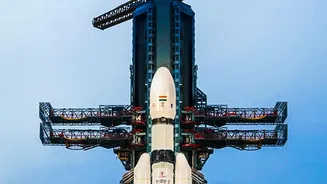
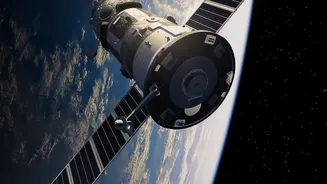
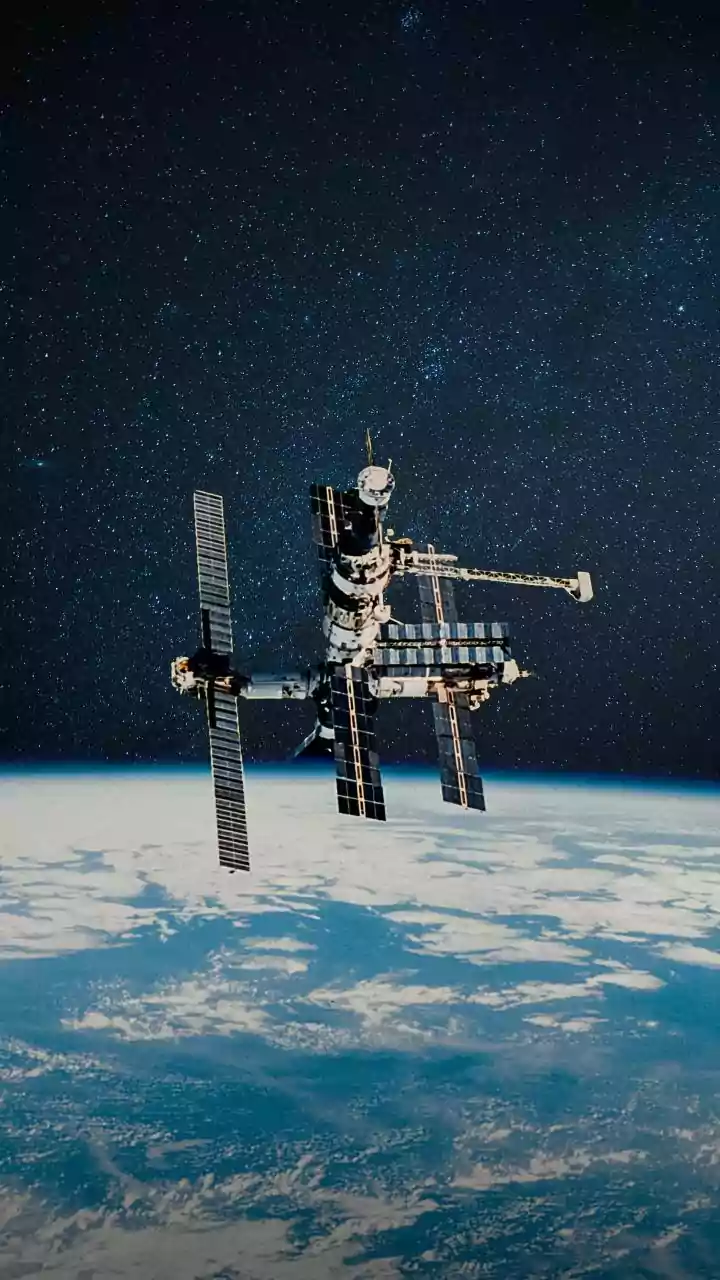
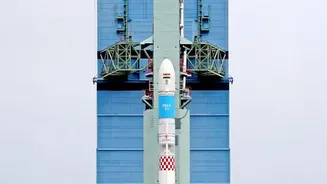
The next few years for ISRO are packed with high-stakes missions that promise to push the boundaries of Indian space exploration. The Gaganyaan programme remains a top priority, with a series of uncrewed test flights scheduled from late 2026 to validate
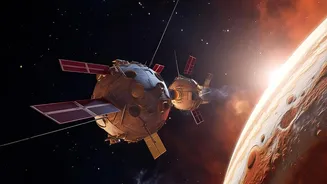
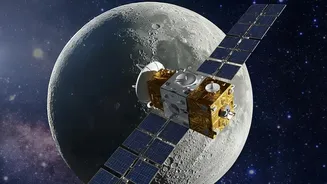
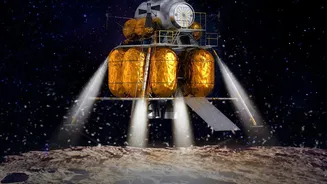
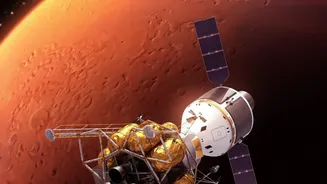
the technology for India's first human spaceflight. One of these flights will even feature Vyommitra, a humanoid robot, to test the life support systems before astronauts make the journey. Following the historic success of Chandrayaan-3, ISRO is planning a return to the Moon with Chandrayaan-4, a complex mission aimed at retrieving lunar samples and returning them to Earth. Interplanetary ambitions are also soaring. The Shukrayaan mission to Venus is slated for launch around 2028, designed to study the planet's dense atmosphere and surface. Furthermore, an ambitious Mars Lander Mission, Mangalyaan-2, is in development, which aims to not only orbit Mars but also land a rover and a helicopter on its surface, a feat only achieved by a handful of nations.
The 'Chandrayaan Effect'
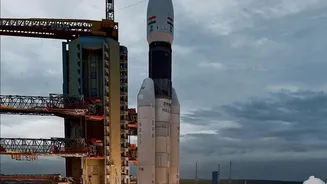
These missions are more than just technological demonstrations; they are powerful national symbols that generate immense public pride and excitement. The successful landing of Chandrayaan-3 in 2023 was a watershed moment, capturing the imagination of the entire country. Educational experts and institutions noted a significant uptick in interest in STEM (Science, Technology, Engineering, and Mathematics) fields following the mission. The live broadcast of the landing became a national event, uniting people in a shared moment of scientific triumph. This phenomenon, often called the 'Chandrayaan Effect,' demonstrates how a single space mission can serve as a potent source of inspiration, encouraging students to dream big and pursue careers in science and technology. It proves that every successful launch is also a launchpad for countless aspirations on the ground.
Building a Scientific Temperament
The sustained visibility of ISRO's activities does something profound for a nation's psyche. It normalises ambition and celebrates intellectual curiosity. When images of Indian engineers and scientists, including many prominent women leaders, are broadcast celebrating a successful launch, it creates powerful new role models. Seeing Indian-made rockets and rovers explore the cosmos provides tangible proof that seemingly impossible goals are within reach. This fosters a scientific temperament from a young age, shifting cultural focus towards innovation and problem-solving. ISRO’s ability to achieve remarkable feats, like its famously cost-effective Mars Orbiter Mission, has become a source of global recognition and a lesson in frugal innovation. This reputation for world-class results on a smart budget further cements the idea that India can compete with, and even lead, the world in high-tech fields.
Fueling the Dreams of a Billion
Ultimately, the true impact of ISRO's busy schedule isn't measured in launch vehicle specifications or orbital parameters, but in the dreams it inspires. Each mission is a story of human ingenuity, perseverance, and national collaboration. For a young student in a remote village, watching an Indian rocket soar towards the moon or Mars is a powerful message: their own potential is just as limitless. The upcoming Gaganyaan mission, which will put Indian astronauts in space, will be a particularly monumental event. Seeing 'Gaganauts' in orbit will likely galvanise the next generation in a way that few other events can. They will see people who look like them, who grew up in the same country, achieving the extraordinary. This direct line of inspiration is what transforms a space program from a government project into a national movement.