







The Post-Meal Glucose Spike Explained
Whenever you eat, especially a meal rich in carbohydrates, your body breaks it down into glucose, which enters your bloodstream. This causes a natural rise in blood sugar. In response, your pancreas releases insulin, a hormone that helps your cells absorb
this glucose for energy. However, large, rapid spikes in blood sugar can, over time, contribute to issues like insulin resistance, prediabetes, and type 2 diabetes. Even in people without diabetes, managing these spikes is linked to more stable energy levels, better mood, and improved long-term cardiovascular health. The goal isn't to eliminate this rise entirely, but to make it a more gradual, gentle curve.
How a Simple Stroll Blunts the Spike
This is where the magic of a post-meal walk comes in. When you start moving, your muscles need energy. They get this energy by pulling glucose directly from your bloodstream. This muscular demand for fuel effectively sops up the excess sugar circulating after a meal, leading to a smaller, more gradual blood sugar peak. Studies have shown that even a two- to five-minute walk can have a measurable impact. The effect is most pronounced when the walk is taken within 60 to 90 minutes after eating, which is when blood glucose levels typically peak.
The Right Way to Walk It Out
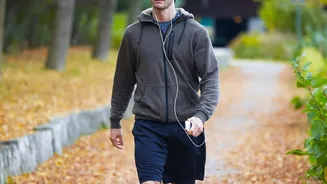
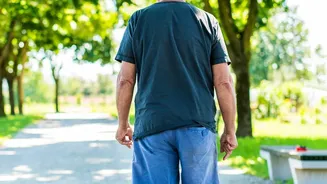
The key is “low-intensity.” This isn't about a power walk or a brisk jog, which can sometimes divert blood away from your digestive system and cause discomfort. Instead, aim for a gentle stroll at a conversational pace. A 10-to-15 minute walk is an ideal target. Some studies suggest that starting your walk around 30 minutes after you finish eating may provide the optimal benefit for blood sugar control, but benefits are seen as soon as you start moving. If you feel any discomfort, it's perfectly fine to wait a little longer before you start. The most important thing is consistency, not intensity.
Easing Aches and Improving Mobility
The headline's second claim—reducing muscle pain—is also supported by the principles of gentle movement. A low-intensity walk is a form of active recovery that improves circulation throughout the body. This enhanced blood flow delivers more oxygen and nutrients to your muscles, which can help reduce stiffness and soreness. For those with chronic joint pain, such as from arthritis, walking strengthens the muscles that support the joints, taking pressure off them. It also helps circulate synovial fluid, which lubricates the joints and keeps them moving smoothly. Regular, gentle movement prevents the rigidity that can set in from being sedentary, especially after a meal.
Beyond Blood Sugar and Soreness
The benefits of a post-meal constitutional don't stop there. The simple act of moving helps stimulate peristalsis—the wave-like muscle contractions that move food through your digestive system. This can significantly reduce common post-meal complaints like bloating, gas, and constipation. Over time, making this a regular habit contributes to better overall heart health by helping manage blood pressure and cholesterol. It also supports weight management goals and can even lead to better sleep. It's a small investment of time that pays substantial dividends for your long-term well-being.