



Your Waterproof Outer Layer
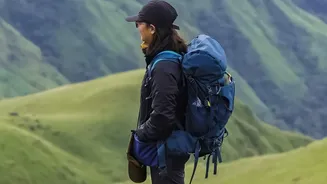
This is the cornerstone of your monsoon kit. Don't compromise. Look for a lightweight, breathable, and fully waterproof jacket or poncho. A jacket with a hood that can be adjusted is crucial for maintaining peripheral vision on slippery trails. While
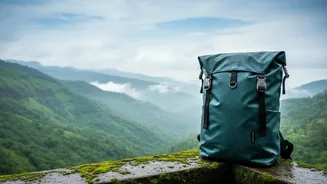
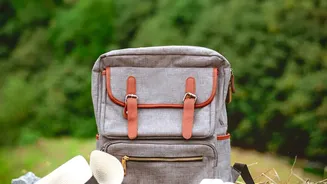
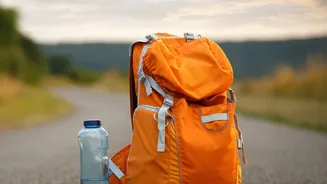
ponchos offer great coverage for you and your backpack, a quality jacket provides better mobility. Also, a waterproof cover for your backpack is non-negotiable. Most packs are water-resistant at best and won't stand up to a sustained downpour. Think of this as a two-part system to keep you and your gear dry from the outside.
Embrace Quick-Dry Fabrics
The golden rule of monsoon travel is to leave cotton behind. Cotton absorbs moisture like a sponge, takes ages to dry in high humidity, and can lead to chafing and feeling chilled. Instead, pack clothes made from synthetic materials like polyester and nylon, or natural options like merino wool. These fabrics are moisture-wicking, meaning they pull sweat away from your skin, and they dry significantly faster. Opt for two or three quick-dry t-shirts and a pair of lightweight synthetic trekking pants over heavy jeans or cotton trousers.
The Right Footwear for Muck and Slips
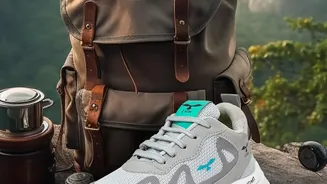
Monsoon trails are a mix of mud, puddles, and slippery rocks, making footwear choice critical. While fully waterproof hiking boots sound logical, they can often trap water that gets in from the top, turning them into buckets. A popular and effective strategy is to use breathable, non-waterproof trail runners or hiking shoes with excellent grip and drainage. They will get wet, but they will also dry much faster. Pair these with an extra set of moisture-wicking socks to prevent blisters. Also, pack a pair of lightweight rubber sandals or floaters for evenings at your accommodation and for navigating waterlogged streets.
Compartmentalize with Dry Bags
Even with a pack cover, moisture can find its way in. The ultimate defence is to protect your essentials from the inside out. Use several small, lightweight dry bags or even sturdy zip-lock bags to compartmentalize your belongings. Have one for electronics, one for a dry set of sleeping clothes, and one for important documents like your passport. This system not only guarantees your critical gear stays dry even if your main pack gets damp but also helps keep your bag organized.
A Targeted Health and Hygiene Kit
The monsoon season can increase the risk of certain health issues. Your first-aid kit should be tailored accordingly. Pack insect repellent, as mosquitoes are more prevalent. Include essentials like antiseptic wipes, bandages, pain relievers, and medication for stomach upsets. Given the damp conditions, anti-fungal powder is a wise addition to prevent skin infections. Also consider carrying water purification tablets or a filter bottle, and Oral Rehydration Salts (ORS) to stay hydrated and manage potential diarrhoea.
Power and Protection for Gadgets
Power cuts can be more frequent during the monsoon. A reliable, fully charged power bank is an absolute must to keep your phone and other devices running in an emergency. Keep your phone, chargers, and the power bank itself inside a waterproof pouch or a zip-lock bag for an extra layer of defence against humidity and accidental splashes. A headlamp is also invaluable, as it keeps your hands free and is more reliable than a phone's flashlight.
What to Intentionally Leave Behind
Creating a lightweight pack is as much about what you don't bring. Leave the jeans, cotton towels, and multiple pairs of heavy shoes at home. A single quick-dry microfibre towel is far more practical than a bulky cotton one. Instead of several books, consider loading them onto your phone or a Kindle. Don't pack an outfit for every day; rely on a few versatile, quick-drying pieces. Resisting the 'just-in-case' urge for heavy, non-essential items is the key to a lighter, more enjoyable backpacking experience.