





The Science of Winter Static
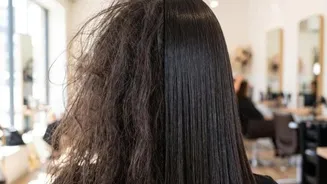
Winter hair problems start with a simple fact: cold air holds less moisture than warm air. This low humidity, combined with dry indoor heating, strips moisture from your hair. When hair becomes dehydrated, its outer layer, the cuticle, gets rough and
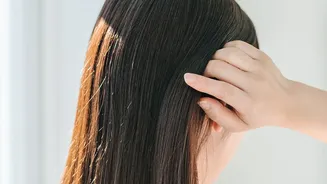
lifts. This is where fabrics come in. The friction from a woolly hat, scarf, or sweater rubbing against your dry hair causes a transfer of electrons. This transfer creates an electrical charge, or static, causing individual strands to repel each other. The result is that frustrating halo of flyaways that seems to have a life of its own.
Not All Fabrics Are Created Equal
The type of fabric you wear plays a huge role in static build-up. Materials like wool, acrylic, and other synthetic fibres are notorious for creating friction and causing static electricity, especially when hair is already dry. These fabrics are excellent insulators, but their textured surfaces rough up the hair cuticle with every movement. On the other hand, smoother fabrics create far less friction. Silk and satin are considered the gold standard for hair protection because their slick surfaces allow hair to glide without snagging. Cotton is a better alternative to wool but can still absorb moisture from your hair, contributing to dryness.
Hydration is Your First Defence
Since dryness is the root cause of winter frizz, your first line of defence is to infuse your hair with moisture. Start by using a hydrating shampoo and conditioner formulated with nourishing ingredients like argan oil or shea butter. Consider washing your hair less frequently to avoid stripping it of its natural oils, which act as a protective barrier. A weekly deep conditioning mask is also essential to replenish lost moisture and keep your hair soft and manageable. When you do wash your hair, avoid very hot water, which can open the cuticle and allow moisture to escape; finish with a cool rinse to help seal it shut.
Seal the Cuticle with Leave-In Products
A good leave-in conditioner is a non-negotiable tool in the fight against winter frizz. Applied to damp hair after washing, these products work by coating the hair shaft with a lightweight, protective layer that seals in moisture and smooths the cuticle. This reduces friction between strands and makes hair less susceptible to static. Look for formulas that match your hair type; fine hair benefits from a lightweight spray, while thick or curly hair may need a richer cream. For extra protection, a single drop of hair oil smoothed over dry strands can tame flyaways and add a silky finish.
Style Smarter, Not Harder
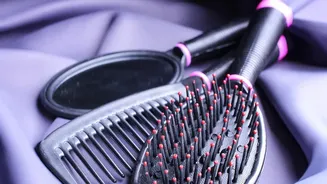
A few strategic adjustments to your accessories and styling routine can make a world of difference. If you love wearing winter hats, look for options lined with silk or satin. These create a gentle barrier that prevents the rough outer fabric from snagging your hair. You can even sew a piece of silk or a satin scarf into your favourite beanie. When possible, opt for hairstyles that reduce friction, like loose braids or a low bun, especially under a scarf. When detangling, use a metal comb, as it conducts electricity and can help remove the static charge from your hair, unlike plastic combs which can make it worse.
Even with the best preparation, static can sometimes strike when you're out and about. For a quick and effective fix, keep a dryer sheet in your bag or coat pocket. Gently rubbing it over your hair will neutralize the electrical charge instantly. If you don't have one handy, simply moistening your hands with a little water and smoothing them over your hair can help calm flyaways by restoring the moisture balance. A light mist of a flexiblend hold hairspray on your brush before running it through your hair can also help tame static in a pinch.