







Why the Gates are Reopening Now
The reopening of safari routes in Karnataka's premier national parks, such as Bandipur and Nagarahole Tiger Reserves, marks the end of a temporary but crucial pause. Safaris were fully restored in late June 2026 after being suspended in November 2025
due to a spike in human-wildlife conflict incidents. The state government, after a thorough review by a technical committee, gave the green light to resume full safari operations. This committee assessed the parks' carrying capacity to ensure that tourism could proceed in a sustainable manner that is safe for both visitors and the resident wildlife. The decision was announced by Chief Minister D.K. Shivakumar, who emphasised a commitment to an eco-tourism model that balances conservation, local employment, and visitor experience.
Your Guide to the Key Parks
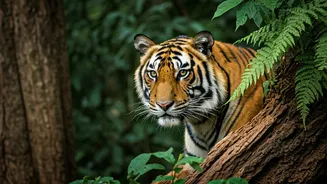
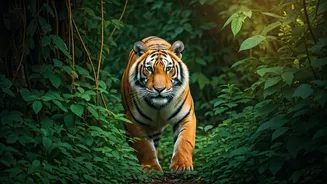
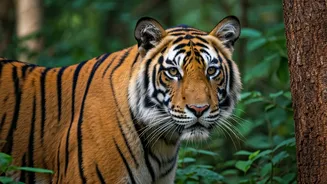
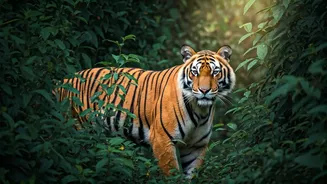
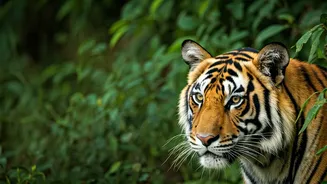
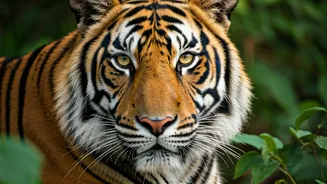
Two of the most sought-after destinations are Bandipur and Nagarahole Tiger Reserves, both part of the Nilgiri Biosphere Reserve. Nagarahole, also known as Rajiv Gandhi National Park, is famed for its high density of tigers and large elephant populations, with the Kabini River supporting a rich ecosystem. Bandipur is renowned for its dry deciduous forests, which provide excellent opportunities for tiger and leopard sightings. With the full resumption of safaris, all zones within these parks are now accessible. Visitors can explore different areas, like the Kabini and Gundlupet zones, each offering unique landscapes and wildlife viewing prospects.
How to Book Your Safari
Securing a spot for a safari requires some planning, especially with the current surge in demand from enthusiasts. The most reliable method is to book online through the official Karnataka Forest Department website. This allows you to check real-time availability and reserve your slot in advance. Safari timings are generally split into two sessions: a morning slot from around 6:00 AM to 9:00 AM and an evening slot from 3:00 PM to 6:00 PM. You can choose between a shared Jeep safari or a larger Canter (bus) safari. On-the-spot booking may be limited, so advanced online reservation is highly recommended to avoid disappointment. Remember to carry a valid government-issued ID, as it is required for entry.
Rules of the Wild: A Responsible Visit
To ensure the safety of visitors and the well-being of the animals, all parks enforce strict regulations. Visitors must maintain silence, refrain from feeding or teasing wildlife, and not alight from the safari vehicle under any circumstances. The use of plastic is heavily discouraged, and littering is strictly prohibited. For photographers, flash photography is not allowed as it can disturb the animals. It's also important to be aware of your surroundings; post-monsoon travel can mean encountering leeches, so carrying salt or wearing appropriate footwear like high-top boots is advisable. Adhering to these guidelines helps preserve the delicate ecological balance of these precious habitats.
Sights and Sounds of the Rejuvenated Forest
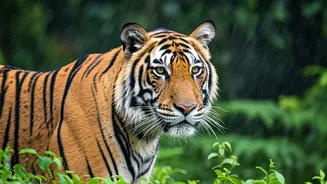
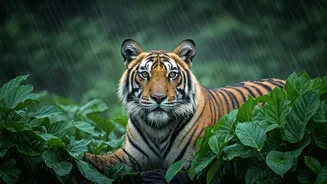
Visiting after the seasonal break offers a unique spectacle. The forests are lush, green, and teeming with life. Water bodies are full, attracting a diverse range of fauna. Besides the iconic tigers and elephants, these parks are home to leopards, sloth bears, gaur (Indian bison), sambar deer, and hundreds of bird species. The cooler post-monsoon weather makes for a pleasant safari experience. The period from October to February is generally considered one of the best times to visit due to comfortable temperatures and active wildlife. This reopening provides a fantastic opportunity to witness the vibrant biodiversity of the Western Ghats at its peak.