



The Science of Scent and Flavour
Much of what we perceive as taste is actually aroma. Tea is packed with hundreds of volatile organic compounds, often called essential or aromatic oils. These molecules are responsible for the rich tapestry of scents and flavours in tea, from the floral,
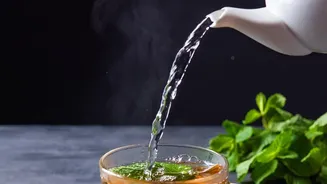
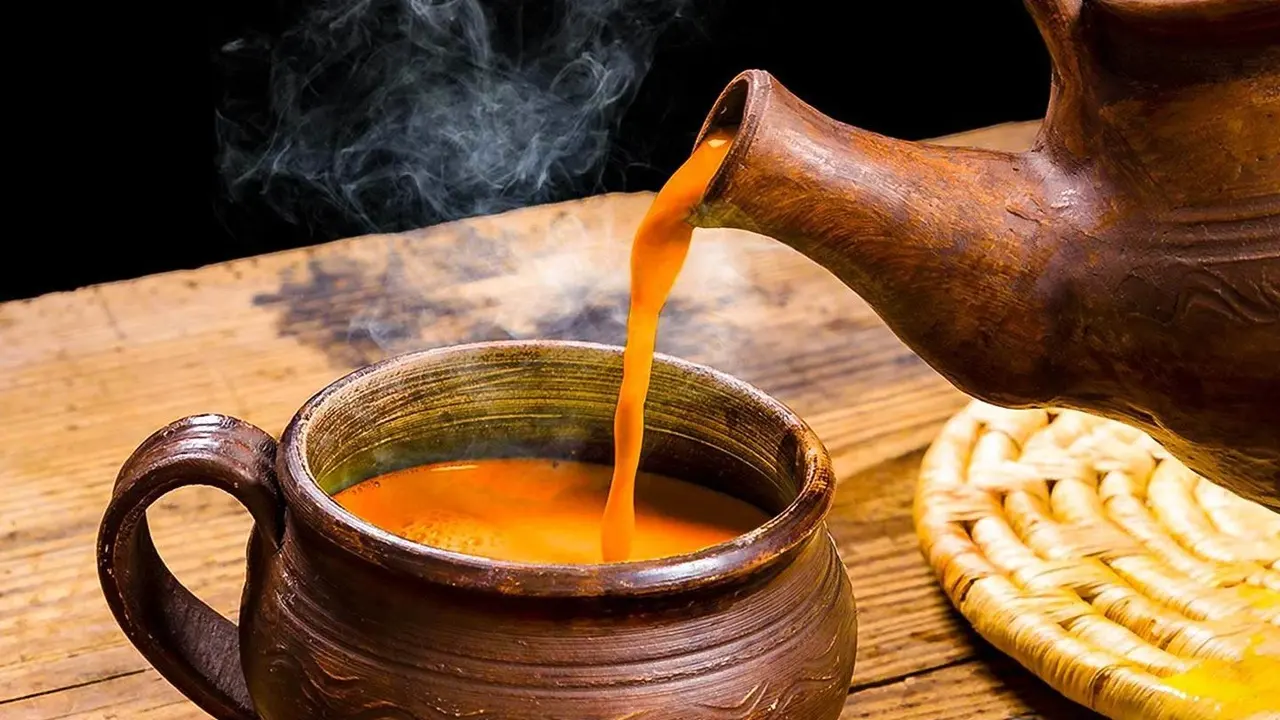
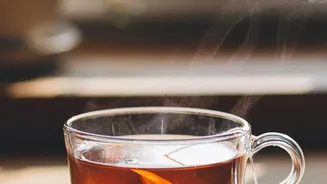
rose-like notes of geraniol to the sweet, citrusy hints of linalool. When you pour hot water over tea leaves, these compounds are released. However, being 'volatile' means they easily evaporate, especially when exposed to heat. The steam rising from your uncovered cup is carrying away a significant portion of the very essence that makes your tea taste and smell so wonderful.
Putting a Lid on It
This is where covering your cup comes in. By placing a small saucer, a dedicated mug lid, or even a small notebook on top of your cup while it steeps, you create an enclosed environment. The steam, rich with those aromatic oils, rises, hits the cooler surface of the lid, and condenses back into liquid. These flavour-packed droplets then fall back into your tea, rather than escaping into the air. This simple action ensures that more of the tea's full spectrum of compounds ends up in your drink, resulting in a brew that is noticeably more potent, aromatic, and flavourful. Beyond just aroma, a cover also helps maintain a more stable and consistent water temperature throughout the steeping process, which is crucial for proper extraction of flavour from the leaves.
Which Teas Benefit the Most?
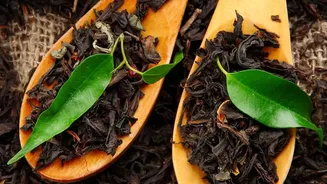
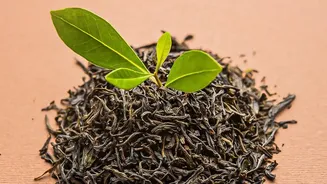
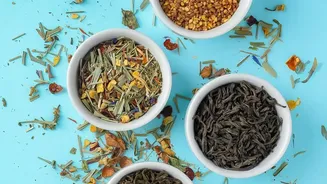
While this technique can improve almost any hot tea, it is especially critical for herbal infusions. Teas like chamomile, peppermint, and lemon balm are prized for their therapeutic qualities, which are tied directly to their volatile oils. Steeping them uncovered allows these beneficial compounds to vanish with the steam, effectively weakening the brew. For 'true teas' from the Camellia sinensis plant, covering is also highly recommended for black, oolong, and white varieties to preserve their complex character and maintain optimal steeping heat. A simple cover helps you get the maximum benefit and flavour you paid for.
The Exception to the Rule: Green Tea
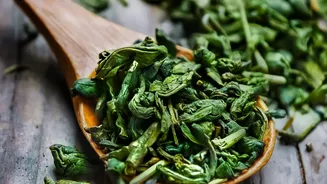
There is one popular tea that often does better with the lid off: green tea. Green tea leaves are more delicate and highly sensitive to heat. Trapping too much steam can keep the water temperature excessively high, which accelerates the release of tannins. Tannins are naturally occurring compounds that, in excess, are responsible for the sharp, bitter, or astringent taste that can ruin a cup of green tea. By leaving the cup uncovered, you allow some heat to escape, giving you more control and helping to prevent over-extraction and bitterness. Of course, personal preference is key, so it's always worth experimenting to see what works best for you.
How to Do It Right
Making this part of your routine is easy. Once you pour hot water over your tea bag or loose-leaf infuser, simply place a cover over the vessel. A small ceramic plate or saucer works perfectly; just be cautious with materials like glass that could crack from the sudden temperature change. Follow the recommended steeping time for your specific tea—generally 3-5 minutes for black teas, and 5-7 minutes for herbals. When the time is up, remove the cover, being careful of hot condensation, and then take out your tea leaves to prevent the brew from becoming bitter. That’s it. A simple step for a far superior cup.