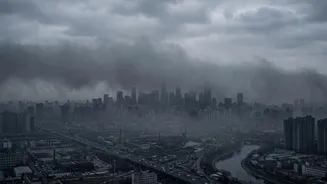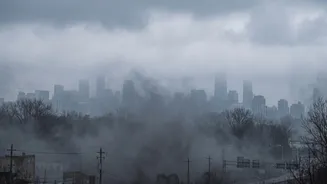





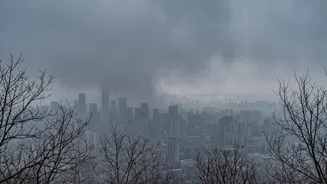


As Delhi grapples with another season of hazardous air, many believe staying indoors is a safe refuge. But the reality is different. The city's pollution problem doesn't stop at your doorstep; it follows you inside, creating a dual threat.
The Smog Outside
Delhi's air
quality has once again plummeted to 'very poor' levels, with the Air Quality Index (AQI) hovering above 300 in many areas as of November 12, 2026. An analysis showed that early winter pollution levels this year are at a three-year high. This annual crisis is fueled by a toxic mix of factors. While seasonal stubble burning in neighbouring states contributes significantly, it is not the sole culprit. Data from November 2026 indicates that vehicular emissions are the largest local source of PM2.5 pollution in Delhi, accounting for a staggering 52% of the city's own contribution. This is compounded by pollution transported from other NCR districts, construction dust, and industrial emissions. Meteorological conditions like temperature inversions and low wind speeds in winter act like a lid, trapping these pollutants close to the ground and creating the thick, hazardous smog that blankets the city.
The Invisible Threat Inside
Shutting doors and windows offers a false sense of security. Your home is not an airtight fortress. Fine particulate matter, especially the dangerous PM2.5, easily infiltrates buildings through tiny gaps in windows, doors, and other structures. Once inside, these outdoor pollutants mix with a cocktail of indoor-generated contaminants. Everyday activities like cooking, particularly frying, release fine particles into the air. Other common sources include burning incense and candles, smoking, and volatile organic compounds (VOCs) that off-gas from paint, furniture, and cleaning products. Without adequate ventilation, these pollutants can accumulate, sometimes making indoor air quality even more hazardous than the air outside. One study on Delhi households found that indoor PM2.5 levels can exceed WHO guidelines by more than 20 times during winter.
What It Does To Your Health
The health consequences of breathing this toxic air are severe and go far beyond a cough or itchy eyes. PM2.5 particles are small enough to penetrate deep into the lungs and enter the bloodstream, impacting nearly every organ. This can trigger or worsen respiratory conditions like asthma and bronchitis, especially in children and the elderly. However, the damage is not just limited to the lungs. Prolonged exposure is directly linked to increased risks of cardiovascular diseases, heart attacks, and strokes. A growing body of research is also highlighting the alarming neurological effects. Studies have linked air pollution to cognitive decline, accelerated brain ageing, and a higher risk of dementia. Children are particularly vulnerable; exposure can impair lung development, reduce cognitive function, and has been associated with lower test scores in reading and mathematics.
Your Action Plan for Cleaner Indoor Air
While you can't control the outdoor environment, you can take meaningful steps to improve the air quality within your home. Investing in a high-quality air purifier with a HEPA filter is one of the most effective strategies to capture fine particulate matter. Ensure proper ventilation, but do so strategically; open windows for short periods when outdoor AQI is comparatively lower. Use exhaust fans in kitchens and bathrooms to remove pollutants at the source. Reduce indoor pollution sources by avoiding the use of incense, scented candles, and harsh chemical cleaners. Regular cleaning with a damp cloth or a vacuum with a good filter can help manage settled dust without kicking it back into the air. Finally, maintaining seals on windows and doors can help reduce the infiltration of outdoor pollutants.