





The Urban Heat Island Effect
Urban areas, with their dense concentration of buildings, roads, and other man-made structures, often experience higher temperatures than surrounding rural areas. This phenomenon is known as the 'urban heat island' effect. Materials like concrete and asphalt
are major contributors; they absorb a vast amount of the sun's radiation during the day and release it slowly at night, keeping the environment warm. This is why your terrace and the walls of your home can feel hot to the touch even late in the evening. In Indian cities, this effect can raise local temperatures by several degrees, making already intense heatwaves even more severe.
Nature’s Air Conditioner: How Plants Cool the Air
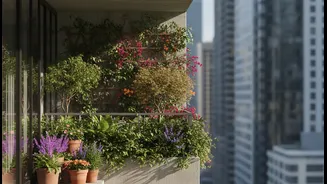
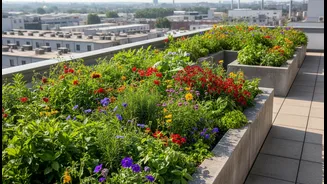
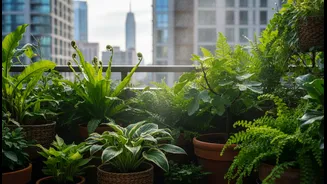
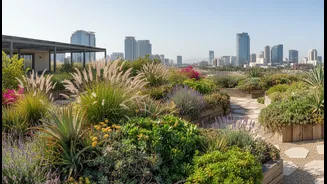
Plants offer a two-pronged approach to cooling. The most obvious is shade. A leafy canopy physically blocks sunlight from hitting the concrete surface of your roof, preventing it from heating up in the first place. But the more powerful mechanism is a process called evapotranspiration. Plants absorb water through their roots and release it as water vapour through their leaves. This process of evaporation requires energy, which is drawn from the surrounding air in the form of heat. A single large tree can transpire hundreds of litres of water a day, providing a cooling effect equivalent to several air conditioners. A green roof can be significantly cooler than a conventional roof, which can translate into lower indoor temperatures and reduced energy bills.
Your Cooling Toolkit: The Best Plants for the Job
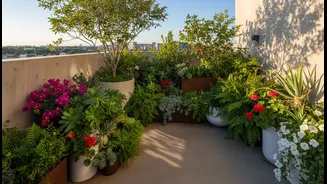
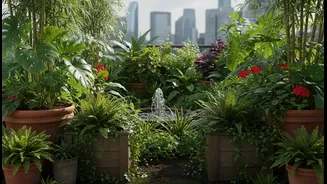
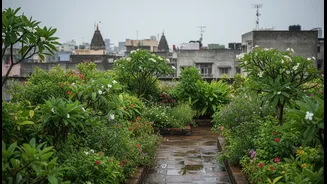
When choosing plants for a cooling terrace garden in India, prioritise those with dense foliage and high heat tolerance. Climbers and creepers like Bougainvillea and the Betel Leaf plant are excellent for covering walls and creating a natural, shaded barrier. For pots, consider leafy options like the Areca Palm, which adds a tropical feel, or the hardy Spider Plant, which grows quickly and provides good coverage. Don't overlook traditional Indian household plants; Tulsi (Holy Basil) is not only significant culturally but its dense leaves help create cooler micro-climates, especially when planted in clusters. Succulents like Aloe Vera and heat-resistant flowers such as Portulaca (Sun Rose) also thrive in hot conditions with minimal water.
Getting Started: Your Simple Terrace Garden
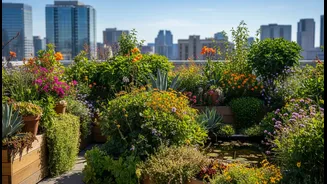
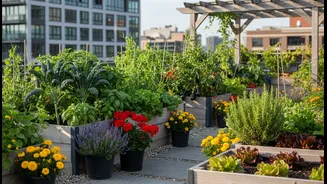
Starting a terrace garden is more accessible than you might think. First, assess your space, paying attention to sunlight patterns. Most vegetables and flowering plants will need at least 5-6 hours of sun. It's crucial to ensure your terrace is properly waterproofed to prevent leaks. Instead of heavy garden soil, use a lightweight potting mix, often a combination of soil, compost, and cocopeat, which provides drainage and retains moisture without adding excessive weight. Start with easy, low-maintenance plants in grow bags or containers to get a feel for the process. Remember to check the soil moisture before watering; overwatering is a common mistake for beginners.
More Than Just Cool Air
The benefits of a terrace garden extend far beyond temperature regulation. Plants act as natural air purifiers, filtering pollutants and improving air quality. A green roof can also significantly reduce stormwater runoff, easing the strain on city drainage systems during heavy rains. For many, the garden becomes a personal oasis—a place to de-stress, connect with nature, and even grow fresh, chemical-free herbs and vegetables for the kitchen. It brings a slice of the natural world into the urban environment, boosting biodiversity by attracting birds and butterflies.