



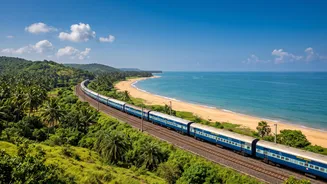

What Exactly Is a Hydrogen Train?
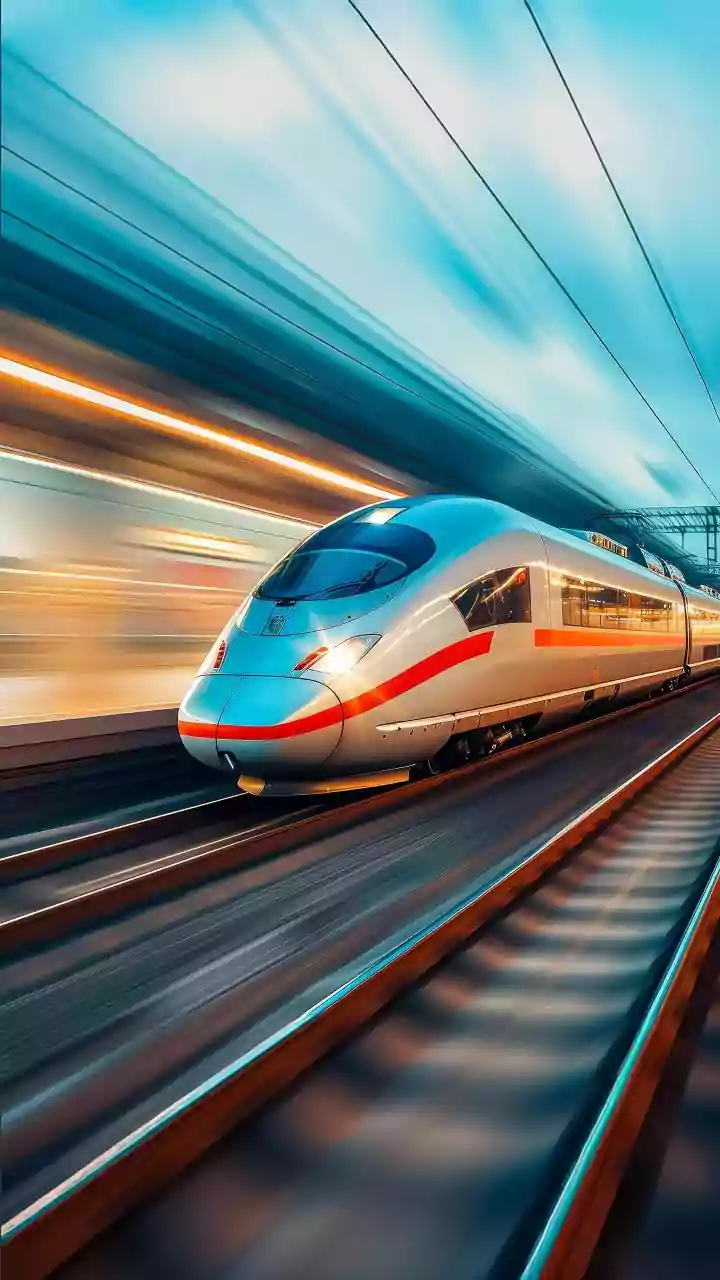
Think of a hydrogen train as a self-contained, rolling power plant that emits only water. Unlike diesel trains that burn fuel in an engine, or electric trains that draw power from overhead wires, these 'Hydrail' locomotives create their own electricity.
Inside a Proton Exchange Membrane (PEM) fuel cell, hydrogen stored in high-pressure tanks chemically reacts with oxygen drawn from the air. This reaction generates electricity to power the motors, with the only by-products being water vapour and heat. The result is a quiet, zero-emission ride that eliminates the smoke, noise, and harmful particulate matter associated with diesel engines, which have long been a concern for public health in communities near railway lines.
Why Heritage Routes Are the Perfect Starting Point
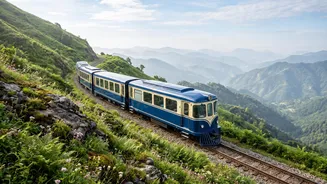
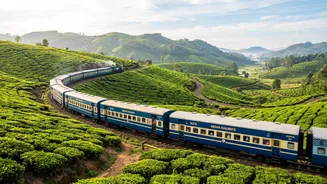
Indian Railways has chosen its most scenic and ecologically sensitive lines for the initial rollout of this technology. The 'Hydrogen for Heritage' initiative targets UNESCO World Heritage sites like the Kalka-Shimla Railway, the Darjeeling Himalayan Railway, and the Nilgiri Mountain Railway. These narrow-gauge tracks wind through fragile ecosystems where conventional electrification is extremely difficult and visually intrusive. Running diesel locomotives in these pristine environments contributes to air and noise pollution, detracting from the natural beauty. By replacing them with silent, emission-free hydrogen trains, Indian Railways aims to preserve the charm and ecological integrity of these beloved tourist destinations. The experience for travellers is enhanced, offering an uninterrupted connection with nature without the rumble and fumes of a diesel engine.
The 'Hydrogen for Heritage' Initiative in Action
The journey to green heritage routes began with a successful pilot project. In July 2026, India's first hydrogen-powered passenger train commenced operations on the 89-kilometre Jind-Sonipat section in Haryana. This 10-coach train, developed with indigenous technology, serves as a crucial demonstrator, allowing engineers to study the performance of the fuel cell systems and refuelling infrastructure under real-world conditions. Lessons from this pilot are now being applied to the more challenging terrains of the mountain railways. Indian Railways plans to deploy around 35 hydrogen trains across these heritage lines. The move involves retrofitting existing diesel locomotives with hydrogen fuel cell technology, a strategic approach that accelerates the transition while managing costs.
A Key Step Towards a Net-Zero Future
The 'Hydrogen for Heritage' project is a highly visible part of a much larger mission. Indian Railways has set an ambitious goal to become the world's largest 'Green Railway' and achieve net-zero carbon emissions by 2030. This national strategy involves a multi-pronged approach, including the near-complete electrification of its broad-gauge network, sourcing renewable energy like solar and wind power, and improving overall energy efficiency. While large-scale electrification covers the mainline network, hydrogen provides a clean energy solution for the specific challenges posed by heritage routes and other sections where overhead lines are impractical. By tackling these unique cases, the hydrogen trains fill a critical gap, ensuring that every part of the network contributes to the 2030 sustainability target.