




The Undeniable Impact of Leaks
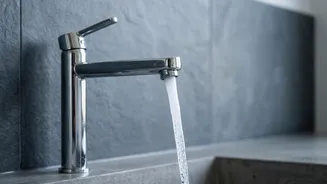
Before you change a single habit, check for leaks. This is the single most effective step you can take. A faucet dripping just once per second can waste over 11,000 litres per year. A constantly running toilet, often silent, can waste over 750 litres a day,
which is more than many families use for all their needs. The US Environmental Protection Agency estimates that the average household's leaks can account for more than 37,000 litres of wasted water every year. To check your toilet, add a few drops of food colouring to the tank and wait 15 minutes without flushing. If colour appears in the bowl, you have a leak that needs fixing. Regularly inspecting pipes under sinks and listening for drips can save thousands of litres and significantly reduce your water bills.
High-Impact Upgrades: Toilets and Showers
Your bathroom accounts for the majority of your household's water consumption. Older toilets can use 13 to 26 litres per flush, while modern water-efficient models use 6 litres or less. Upgrading to a dual-flush toilet, which uses less water for liquid waste, can save a typical family thousands of litres annually. Similarly, swapping an old showerhead for a low-flow model is a powerful change. Standard showerheads can use 9.5 litres per minute, whereas water-efficient models use 7.5 litres or less without sacrificing pressure. These fixtures are designed to reduce consumption significantly, and their combined impact offers one of the biggest returns on your water-saving efforts.
Smarter Habits in the Kitchen and Laundry
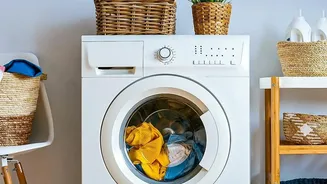
While fixing leaks and upgrading fixtures are major wins, daily habits collectively make a huge difference. In the kitchen, only run the dishwasher when it is completely full. Modern, efficient dishwashers often use less water than washing the same number of dishes by hand, especially if you tend to leave the tap running. Similarly, always wash full loads of laundry. Washing machines are a major water user in the home, and ensuring every cycle is at capacity is a simple and effective conservation habit. For those with reverse osmosis (RO) water purifiers, a significant amount of reject water is generated. Instead of letting it go down the drain, collect this water and reuse it for mopping floors or watering plants.
Behavioural Changes That Count
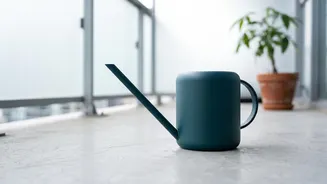
Simple behavioural shifts are free and add up significantly over time. Turning off the tap while brushing your teeth can save up to 30 litres per day. Reducing your shower time by just a few minutes also makes a substantial difference. Another useful habit is to collect the initial 'warm-up' water from your shower in a bucket while you wait for it to get hot. This clean water can be used for flushing toilets or watering your household plants. In the garden, water plants during the cooler parts of the day, like early morning or late evening, to minimise evaporation. These small, conscious decisions, when practiced consistently, become a powerful tool in reducing your overall water footprint without any financial cost.