
The Urban Time Squeeze
The biggest catalyst for this culinary shift is the modern Indian reality: urbanisation. With longer commutes, demanding work hours, and the rise of dual-income nuclear families, the leisurely multi-hour cooking sessions of the past are becoming a luxury.
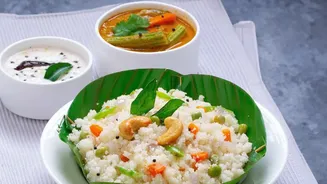
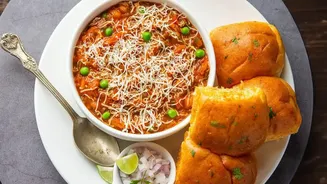
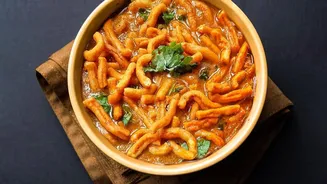
Weekday meals, in particular, now come with a time limit. This isn't about a lack of desire to eat well, but a genuine lack of hours in the day. Households are actively seeking ways to reclaim time without compromising on the comfort and nourishment of a home-cooked meal. This has created a fertile ground for recipes that are efficient, requiring less prep time and fewer complex steps, fitting neatly between a busy workday and family time.
A New Definition of 'Healthy'
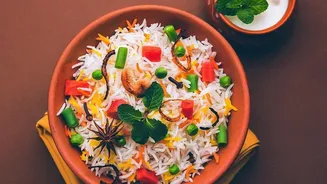
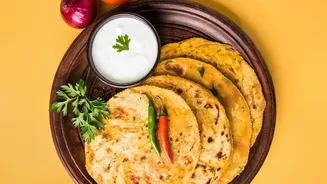
Simultaneously, India's perspective on health has matured. The conversation has moved beyond simply cutting calories and is now centred on holistic wellness. There's a growing awareness of concepts like balanced macronutrients, gut health, and clean eating. Consumers are increasingly looking for foods with functional benefits, such as boosting immunity or aiding digestion. This has led to a re-evaluation of traditional recipes. While Indian food is inherently nutritious, packed with vegetables, legumes, and beneficial spices, some traditional methods can be heavy on oil or time. The new 'quick and healthy' approach adapts these classics—think pan-seared tikkis instead of deep-fried, or multi-grain flours for rotis—to align with modern wellness goals.
The Rise of the Digital 'Rasoi'
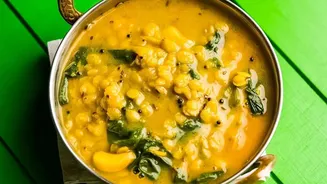
Social media has emerged as a powerful force in democratizing culinary skills. Platforms like Instagram and YouTube are overflowing with food influencers and home chefs who specialize in exactly this niche: quick, visually appealing, and healthy Indian meals. They break down recipes into easy-to-follow videos, showcase innovative uses for new ingredients, and offer tips for meal prepping—a concept rapidly gaining traction. These digital creators have effectively become modern-day gurus, teaching a new generation how to cook food that is both aspirational and achievable. The viral nature of a 30-minute dal makhani or a 15-minute paneer stir-fry provides inspiration and, crucially, the confidence for people to get into the kitchen.
Modern Tools for Ancient Flavours
The Indian kitchen itself has evolved. A host of modern appliances are now playing a key role in speeding up cooking without sacrificing flavour. The pressure cooker, a long-time staple, has been joined by air fryers, electric choppers, induction cooktops, and high-speed blenders. An air fryer can deliver a crispy bhindi or samosa with a fraction of the oil. An electric kettle speeds up the process of getting hot water for gravies or soaking lentils. These gadgets are not replacing traditional techniques but augmenting them, allowing for beloved flavours to be achieved with significantly less time and effort.
The Convenience Economy Lends a Hand
Finally, the market has responded to this growing demand. The ready-to-cook (RTC) segment in India is booming, with a market that reached USD 7.6 Billion in 2026. This isn't just about heat-and-eat meals, but about components that simplify the cooking process. Think high-quality idli and dosa batters, pre-made curry pastes, peeled garlic, and chopped vegetables. The growth of quick commerce has further accelerated this, making it possible to get these ingredients delivered in minutes. This ecosystem of convenience allows home cooks to start from a semi-prepared stage, getting a wholesome, flavourful meal on the table in record time, making the idea of everyday healthy cooking far less daunting.