



Become a Light Detective for a Day
The single best thing you can do for your current or future plants is to spend one day observing your apartment. Don't just glance; actively watch how sunlight moves across your rooms. Where does it land in the morning? What does that same spot look like
at noon? How about late afternoon? The light that hits a west-facing window at 4 PM is dramatically different and more intense than the gentle light from an east-facing window at 9 AM. Notice how buildings, trees, or even your own furniture can block or filter the light, creating pockets of brightness and shade. This simple act of observation is your first step. Make a mental map or even jot down notes. This 'light map' will become your ultimate guide to plant placement and selection.
Learn the Language of Light
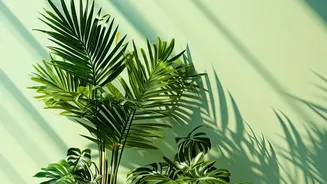
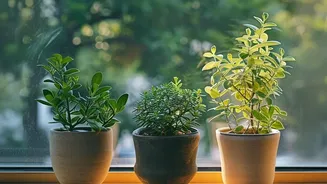
Plant labels can feel like a foreign language, but the terms are straightforward once you know what to look for. 'Direct light' means the sun's rays are hitting the leaves without obstruction. This is the intense light you'll find right in a south-facing window or a west-facing window in the afternoon. 'Bright, indirect light' is the gold standard for many tropical houseplants. It means a spot is very bright, but the sun isn't shining directly on the plant. Think of the space a few feet back from a sunny window or right near a window with a sheer curtain. 'Medium light' is further back from a window or in a room with a north-facing window, while 'low light' is typically a corner or spot more than a few feet from any light source. A simple way to check is the 'shadow test': a sharp, defined shadow means bright light; a soft, blurry shadow means medium light; and little to no shadow means low light.
Know Your Windows: North, South, East, West
The direction your windows face is a major clue to your apartment's light conditions. North-facing windows provide the least light; it's gentle, indirect, and consistent, making it suitable for low-light tolerant plants. East-facing windows get soft morning sun that's great for many plants that prefer bright, indirect light. South-facing windows are the sunniest, offering bright light all day, which is perfect for sun-lovers like succulents and cacti. West-facing windows get the most intense, hot afternoon sun, which can scorch the leaves of unprepared plants but is ideal for certain sun-worshippers. Knowing this basic orientation helps you predict the kind of light a spot will get throughout the day.
Common Light-Related Mistakes to Avoid
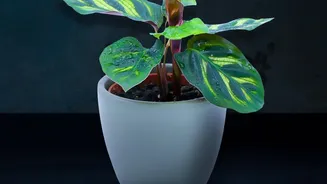
One of the most frequent errors is mistaking any sunlight for good sunlight. Placing a plant that needs indirect light, like a calathea, in the direct path of hot afternoon sun will lead to scorched, crispy leaves. Conversely, putting a sun-loving succulent in a dim, north-facing corner will cause it to become 'leggy'—stretching unnaturally towards the light—and pale. Another common issue is not rotating your plants. They will naturally grow towards their light source, so giving them a quarter turn every week or so encourages even, upright growth. Finally, remember that 'low light' means 'low light tolerant,' not 'no light'. All plants require some light for photosynthesis to survive; no plant will thrive in a windowless bathroom without a dedicated grow light.
Matching the Right Plant to the Right Light
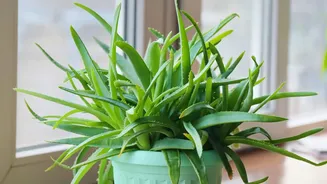
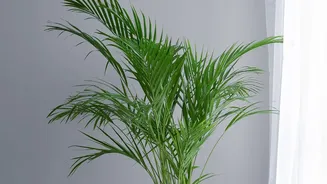
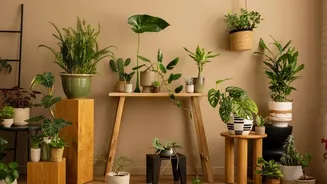
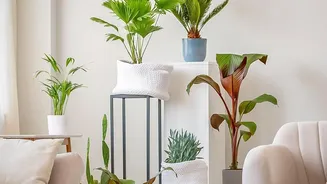
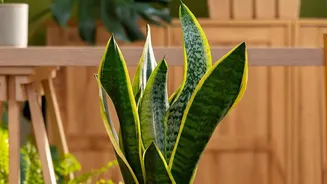
Once you've mapped your light, the fun begins. For those bright, direct-sun spots in a south- or west-facing window, consider succulents, cacti, or a Bird of Paradise. For those coveted 'bright, indirect light' locations near an east-facing window or set back from a southern one, you have a world of options, including the popular Fiddle Leaf Fig, Monstera, Pothos, and Philodendron. For medium-light areas, ferns and many Dracaena varieties work well. And for those lower-light spots where you still want some green, turn to the famously resilient Snake Plant (Sansevieria) and ZZ Plant (Zamioculcas zamiifolia), both of which tolerate dimmer conditions gracefully.