





The Monsoon Travel Boom
What was once a quiet shoulder season is now a peak travel period for many destinations across India. Recent data reveals a massive uptick in monsoon travel, with some reports showing hotel bookings up by over 54% and bus bookings surging by 140% year-on-year.
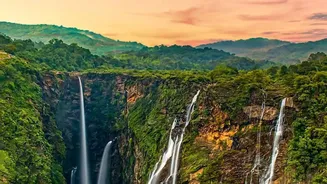
This shift is driven by a new generation of travellers actively seeking the unique, rain-washed beauty of the Indian landscape, from the misty hills of the Western Ghats to the lush greenery of Rajasthan. Destinations like Wayanad have seen hotel bookings grow by a staggering 160%, while Goa and the Northeastern states of Nagaland and Arunachal Pradesh are also reporting booking spikes of 110% and 90% respectively. This isn't just about weekend trips; travellers are embracing longer stays, driven by a desire for nature-based, offbeat, and cultural experiences.
Decoding 'Flexible' and 'Refundable'
In this busy travel landscape, the words 'flexible' and 'refundable' are your best friends, but they don't always mean what you think. For hotels, a 'free cancellation' policy is fairly straightforward, often allowing you to cancel without penalty up to 24 or 48 hours before check-in. Airline policies, however, are more complex. A 'flexi' fare usually means the airline waives its change penalty, but you will still have to pay the fare difference if your new flight is more expensive. A truly refundable ticket, which allows you to cancel for a full cash refund, is typically the most expensive option. It's crucial to read the fine print before you book to understand if you are eligible for a cash refund, a credit shell for future travel, or simply a waiver of change fees.
Your Strategy for Flights
Given the unpredictability of monsoon weather, which can lead to delays and cancellations, a flexible flight strategy is essential. India's Directorate General of Civil Aviation (DGCA) has introduced passenger-friendly reforms, including a 48-hour window for free cancellation or amendments on tickets booked directly with an airline, provided the flight is at least seven days away. When booking, compare the different fare families offered by airlines like IndiGo and Air India. Paying a little extra for a 'Flex' fare can save you from hefty change fees later. These fares are designed for travellers who anticipate that their plans might shift. If your travel dates are not set in stone, this small premium acts as a valuable insurance policy against losing the entire cost of your ticket.
Securing Accommodation Wisely
With hotel bookings surging, especially in popular monsoon destinations, securing your stay in advance is wise—but do it flexibly. Many online travel platforms and hotel websites offer 'Free Cancellation' or 'Pay at Hotel' options. These are powerful tools for monsoon planning. They allow you to lock in a room and rate without financial commitment, giving you a safety net in case of last-minute travel disruptions like road closures or flight changes. Always double-check the cancellation deadline. Some policies allow you to cancel up to the day of arrival, while others require 48 or 72 hours' notice. This simple check can prevent a significant financial loss if your plans go awry.
The Ultimate Safety Net: Travel Insurance
For complete peace of mind, nothing beats comprehensive travel insurance. While it's not mandatory for domestic travel in India, it is highly recommended, especially during the monsoon. A good domestic travel insurance plan can provide financial protection against a host of issues, including trip cancellations and interruptions due to weather, medical emergencies, flight delays, and lost or delayed baggage. Some policies even offer automatic payouts for specified delays, eliminating the hassle of filing a claim. Given the increased risk of weather-related disruptions, insurance that specifically covers these events is a small investment for a worry-free trip.