



The Rise of a Wellness Trend
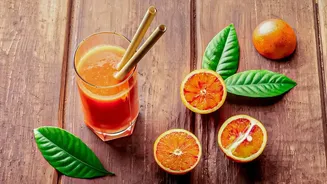
Cold-pressed juice has become a symbol of clean living. The process involves using a hydraulic press to extract liquid from fruits and vegetables, which avoids the heat generated by traditional centrifugal juicers. Fans believe this method preserves more
vitamins and enzymes, delivering a concentrated dose of nutrients in a convenient, easy-to-consume format. Many people turn to juices for cleanses or as a quick way to get their daily dose of greens and fruits, believing it’s a shortcut to better health. The logic seems sound: more fruits and vegetables, even in liquid form, must be good for you. However, what is left out of the bottle is just as important as what goes in.
The Missing Ingredient: Dietary Fiber
The key difference between eating a whole apple and drinking its juice lies in the pulp. The cold-pressing process is designed to separate the liquid from the solid parts of the plant—the skin, seeds, and fleshy pulp. This pulp is where the vast majority of dietary fiber is found. While some soluble fiber might remain in the liquid, the insoluble fiber, which provides bulk, is almost entirely discarded. So, while the juice retains many vitamins, it loses the structural component of the plant that plays a critical role in digestion and nutrient absorption. This removal of fiber is not a minor detail; it fundamentally alters the food's impact on your body.
Fiber’s Role as a Metabolic Speed Bump
Think of dietary fiber as the body's natural braking system for sugar. When you eat a whole fruit, the fiber forms a gel-like substance in your digestive tract. This process slows everything down, including the rate at which your body absorbs the fruit's natural sugars (fructose). This gradual absorption prevents a sudden surge in blood glucose, giving you a steady supply of energy and helping you feel full and satisfied for longer. Fiber is essential for good gut health, feeding beneficial bacteria, and it also helps manage cholesterol levels. By removing it, you're essentially taking the brakes off sugar digestion.
The Unfiltered Truth About Blood Sugar
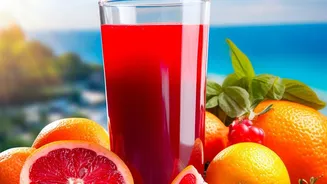
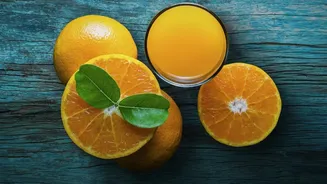
Without fiber to slow it down, the sugar from fruit juice hits your bloodstream with surprising speed. This causes a rapid increase in blood glucose, known as a blood sugar spike. For example, a whole orange has a glycemic index (a measure of how quickly a food raises blood sugar) of around 40, while its juice can be 66 or higher—closer to that of a cola. Your body responds to this sugar rush by releasing insulin to manage it. While this is a normal process, frequent and sharp spikes can lead to a subsequent crash, leaving you feeling tired, irritable, and craving more sugar. This rollercoaster effect can happen even in people who do not have diabetes and can disrupt energy levels and appetite control throughout the day.
Smarter Ways to Enjoy Fruits and Vegetables
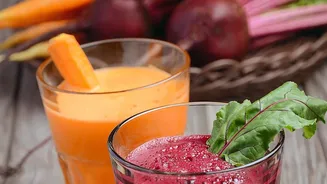
This doesn't mean you must give up on liquid nutrition entirely. The solution is often as simple as changing your appliance. Blending, for instance, creates a smoothie by pulverizing the entire fruit or vegetable, retaining all of its beneficial fiber. If you do enjoy a cold-pressed juice, consider it a treat rather than a meal replacement. Pairing it with a source of fiber, protein, or healthy fat—like a handful of nuts, a piece of whole-grain toast, or some Greek yogurt—can help slow down that sugar absorption and mitigate the spike. Opting for juices that are primarily vegetable-based will also naturally lower the sugar content.