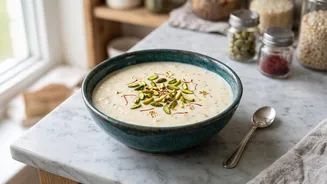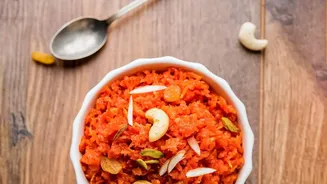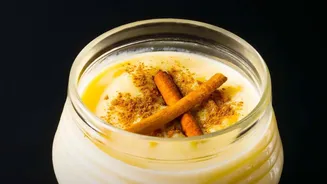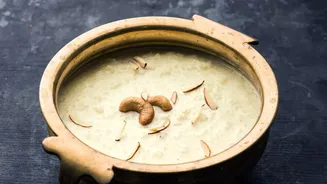



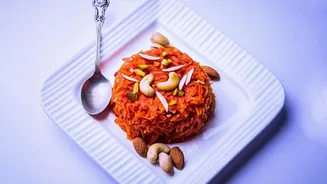
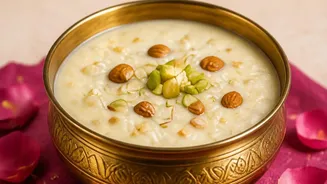

When a familiar, comforting dessert gets a seasonal twist, it creates something truly special. Sitaphal Phirni is exactly that—a delightful marriage of creamy, traditional phirni and the uniquely sweet, fragrant pulp of custard apple.
The Soul of a Classic Dessert
Phirni is a beloved
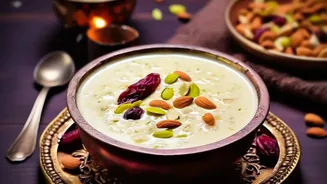
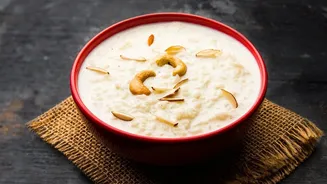
North Indian sweet, a creamy pudding with roots stretching back to Mughal kitchens. Unlike its cousin, kheer, which uses whole rice grains, phirni is made with finely ground rice. This simple difference results in a smoother, more delicate texture. The ground rice is slow-cooked in milk until it thickens into a luscious consistency, traditionally flavoured with cardamom, saffron, or rose water. It’s almost always served chilled, often in small earthen bowls called 'shikoras', which absorb excess moisture and lend a subtle, earthy aroma to the dessert. It’s a staple during festivals and celebrations, cherished for its comforting and elegant simplicity.
A Seasonal Star Arrives
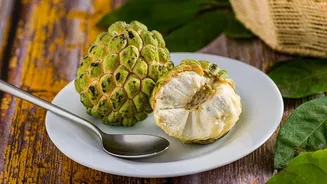
Enter the sitaphal, or custard apple. This fruit, with its bumpy green exterior, holds a treasure within: a soft, creamy white flesh that is intensely sweet and aromatic. Enjoyed across India, sitaphal has a flavour often compared to a blend of tropical fruits with a creamy, almost custard-like finish. While delicious on its own, the process of separating the numerous black seeds from the pulp can be tedious. However, its distinct flavour makes it a prized ingredient in modern and traditional Indian desserts, from ice creams and basundi to rabdi and, of course, phirni.
The Perfect Culinary Union
The magic of Sitaphal Phirni lies in how perfectly the two main components complement each other. The phirni provides a creamy, neutral canvas, allowing the bold, sweet flavour of the sitaphal to shine. The ground rice base offers a subtly grainy texture that marries beautifully with the soft pulp of the fruit. The custard apple pulp is typically stirred in after the phirni base has been cooked and cooled slightly, ensuring its fresh, fruity aroma isn't lost to the heat. This combination elevates the humble phirni from a simple rice pudding to a sophisticated, flavour-packed dessert that celebrates a seasonal favourite.
Crafting Your Sitaphal Phirni
Making this dessert at home begins with preparing the two key elements. First, the sitaphal pulp must be carefully separated from its seeds. A common method is to scoop the flesh into a strainer set over a bowl and gently press with a spoon or spatula, allowing the smooth pulp to pass through while the seeds remain behind. Next, for the phirni, basmati rice is soaked and then ground into a coarse, grainy paste. In a heavy-bottomed pan, full-fat milk is brought to a boil before the rice paste is whisked in. The mixture must be cooked on low heat, stirring continuously to prevent lumps and ensure the rice cooks through. As it simmers, it will thicken into a rich pudding. Sugar is added only after the rice is cooked. Once the phirni reaches the desired consistency, it's taken off the heat to cool. Finally, the fresh sitaphal pulp and a hint of cardamom powder are folded in, creating the finished dessert.
Tips for Phirni Perfection
To ensure your Sitaphal Phirni is a success, a few details matter. Using full--fat milk is crucial for achieving a rich and creamy texture. Continuous stirring,, especially after adding the rice paste,, is key to a smooth,, lump--free result. Be patient and cook on a low flame;; this slow cooking process is what makes phirni so special. Let the phirni base cool to just warm before adding the sitaphal pulp. If the base is too hot,, it can alter the fruit's delicate flavour. For serving,, chilling is non--negotiable. The phirni needs at least a few hours in the refrigerator to set properly and for the flavours to meld. Garnish just before serving with slivered pistachios or almonds for a welcome crunch that contrasts with the dessert's creamy softness.