
The Dangers in the Puddles
A seemingly innocent puddle can be a breeding ground for harmful bacteria and parasites. One of the most significant risks is leptospirosis, a serious bacterial infection spread through the urine of infected animals like rodents. When a dog drinks from
or even just walks through contaminated water, the bacteria can enter their body through the mouth, nose, eyes, or cuts in the skin. This can lead to severe health issues, including kidney and liver failure. Another common waterborne menace is Giardia, a parasite that causes gastrointestinal distress like vomiting and diarrhoea. Beyond bacteria, puddles on streets can also collect chemical run-offs like pesticides and antifreeze, which are toxic if ingested.
Master the Post-Walk Cleanup
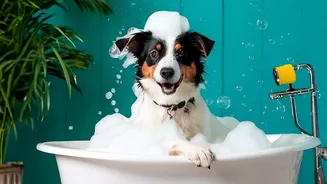
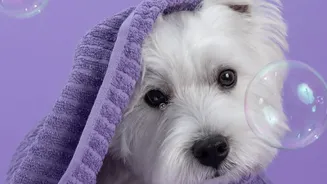
The single most important habit during the rainy season is a thorough post-walk cleaning routine. Trapped moisture is a primary driver of skin problems, including painful fungal and bacterial infections. As soon as you get home, meticulously dry your dog with a clean towel. Pay special attention to their paws, belly, ears, and any skin folds, as these areas retain moisture. For paws, a rinse with lukewarm water is ideal to wash away mud and potential contaminants. Be sure to dry thoroughly between the toes. For long-haired breeds, trimming the fur around the paws can prevent matting and help them dry faster.
Consider Protective Gear
Protective gear isn't just about fashion; it's a functional barrier against the elements. A good-quality waterproof raincoat can keep a significant portion of your dog's coat dry, making the cleanup process much easier and reducing the risk of them getting chilled. This is especially important for puppies, senior dogs, and those with compromised immune systems, who are more susceptible to developing conditions like pneumonia from prolonged exposure to wet and cold weather. For paw protection, waterproof booties can be a game-changer. They keep paws dry and clean, and shield them from sharp objects or chemicals hidden in puddles. If your dog isn't comfortable with boots, a protective paw balm or wax can create a barrier against moisture.
Prevention and Vigilance Are Key
Prevention starts before you even step out the door. If possible, steer your dog away from stagnant puddles and heavily flooded areas. Always ensure your dog has access to fresh, clean water at home, so they are less tempted to drink from questionable sources during their walk. It's also crucial to keep your dog's vaccinations up-to-date. A vaccine is available for leptospirosis, which can significantly reduce the risk of severe disease. Speak to your veterinarian to see if it's right for your dog based on their lifestyle and location. Finally, keep a close eye on your pet’s health. Regular checks for ticks and fleas, which thrive in humid conditions, are essential.
Know When to See a Vet
Despite your best efforts, infections can still occur. Be aware of the warning signs. Symptoms of leptospirosis can be vague but often include fever, vomiting, muscle pain, lethargy, and changes in thirst or urination. Skin infections might manifest as excessive scratching or licking, redness, hot spots, or an unusual odour. If you notice any of these signs or any other concerning changes in your dog's behaviour or health after a rainy-day outing, it's crucial to contact your veterinarian immediately. Early diagnosis and treatment are vital for a good outcome, especially with serious illnesses like leptospirosis.