








The Illusion of the Urban Souvenir Shop
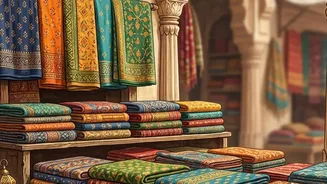
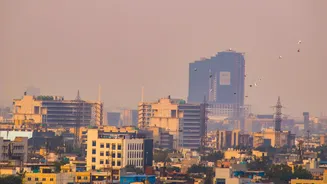
Urban souvenir shops, with their air-conditioned comfort and polished displays, offer undeniable convenience. They are strategically located in tourist-heavy areas, presenting a curated, easy-to-browse selection of 'local' crafts. However, this convenience often
comes at the cost of authenticity. The supply chain for these shops is typically long and complex, involving multiple middlemen. Goods are often sourced from large-scale workshops that mass-produce items to look handmade, sometimes even using machines to replicate imperfections. This means the beautiful block-printed scarf you buy may be a screen-printed imitation, and the 'traditional' brass idol might be a factory-made replica using synthetic materials. The distance from the original artisan means the story, cultural context, and soul of the craft are often lost.
The Heartbeat of the Rural Haat
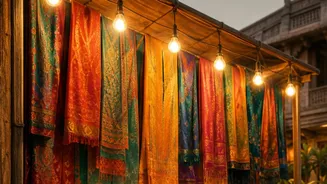
In stark contrast, a weekly rural haat is a temporary, open-air market that springs to life on a designated day, serving as the commercial and social hub for surrounding villages. Here, the shopping experience is organic and unfiltered. Artisans themselves, or their family members, often sit on the ground with their wares spread out before them. There are no fancy shelves or price tags, just a direct connection between the creator and the buyer. These markets are not curated for tourists; they are a fundamental part of the local economy, where villagers trade everything from fresh produce to handmade goods. This environment ensures that the crafts sold are often genuine articles made for local use or by artisans looking to supplement their income directly.
What 'Authentic' Really Means
Authenticity in a craft lies in its connection to a tradition, the skill of the maker, and the use of traditional materials. It's the difference between a Madhubani painting from Bihar, a piece of Dhokra metal craft, or a hand-woven Assamese Gamosa made by someone whose skills have been passed down through generations, and a generic, mass-produced item. An authentic piece has subtle variations and imperfections that are the signature of a human hand, not the flawless uniformity of a machine. In a haat, you have the unique opportunity to meet the artisans, ask them about their process, and understand the cultural significance of their work. This interaction transforms a simple purchase into a meaningful exchange.
The Economic and Cultural Impact
When you buy from a souvenir shop in the city, a significant portion of the price you pay goes to middlemen, distributors, and retailers. The artisan often receives only a small fraction of the final cost. At a rural haat, your money goes directly into the hands of the person who created the item. This direct support empowers artisans, sustains their livelihoods, and helps preserve cultural heritage that is under threat from mass production. By choosing to buy directly, you are not just acquiring a unique object; you are investing in a person, a family, and the continuation of a craft tradition. This simple act strengthens the local economy and ensures these skills are not lost to time.
Beyond the Purchase: A Richer Experience
Perhaps the most compelling reason to visit a rural haat is the experience itself. It is a sensory overload in the best possible way—a kaleidoscope of colours, sounds, and smells. You'll find yourself surrounded by the lively chatter of bargaining, the aroma of local snacks being prepared, and a dazzling array of textiles, pottery, jewellery, and wooden toys. It's an opportunity to step away from the polished tourist trail and immerse yourself in the everyday life of a place. While a curated urban space like Dilli Haat in Delhi offers a comfortable, organized glimpse into this world, a true rural haat is spontaneous and raw. It's a place of connection, not just commerce.